
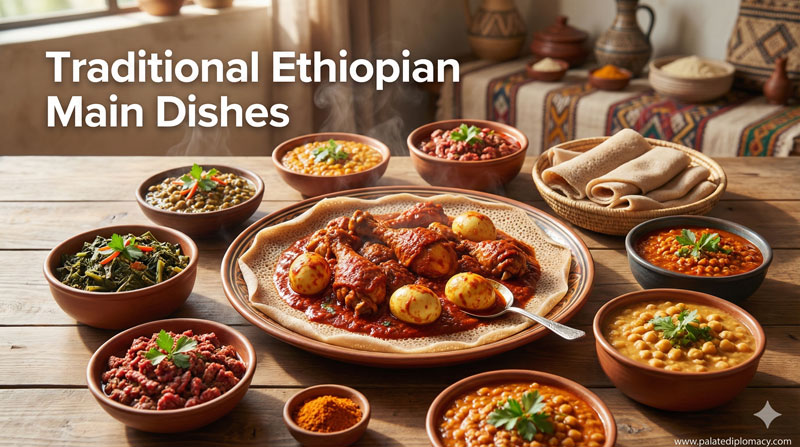
A Complete Guide to Enjoying Dulet Like a Local
Dulet is a dish that invites you to slow down and taste everyday life. It celebrates craft, freshness, and shared moments. This guide helps you enjoy dulet with the same curiosity and respect locals bring to their meals. Read on to discover How to savor its flavors and its place in the kitchen and bustling streets.
What is Dulet?
Dulet is a vibrant preparation built from finely chopped offal, usually including liver and other parts, sautéed with onions, peppers, herbs, and spices. The mix is seasoned boldly and cooked until tender and fragrant. It often rests on soft bread, rice, or flatbread, ready to be scooped with a smile. The dish varies by place, but the core idea stays the same: a warm, savory medley meant for sharing.
Cultural Value of Dulet
Dulet speaks to daily life and communal gatherings. Vendors cook it fresh at market stalls, inviting passersby to sample as conversations begin. Families rotate through kitchens, turning simple ingredients into a comforting centerpiece. Friends order dulet to celebrate a good day, to mark a return home, or to simply enjoy a delicious bite together. Its presence in markets and home kitchens shows how food can anchor memory, routine, and welcome.
Culinary Significance and Flavor
The flavor of dulet is bold and comforting. The onions bring sweetness, while peppers add brightness. Spices wake the palate without overwhelming it, and the offal provides depth and a silky texture when cooked well. Fresh herbs brighten the finish. The dish balances hearty richness with clean, bright notes. Texture varies from silky to a gentle chew, inviting you to slow down and savor each mouthful.
How to Enjoy Like a Local
- Start warm. Eat dulet soon after it hits the plate for the best aroma and texture.
- Use the right accompaniment. Pair with soft bread, flatbread, or a simple side of rice to scoop up every bit.
- Take small bites. Let the flavors unfold and notice how the spices layer with the meat.
- Respect shared plates. If you’re with others, take turns serving and tasting, then pass the platter along.
- Ask for tips. Locals often share the best greens, fresh citrus wedges, or a drizzle of lemon to brighten the dish.
Flavor Pairings and Serving Styles
Dulet shines with light, fresh notes. A squeeze of lemon or lime adds zing. A handful of chopped herbs or onions can lift the dish further. Simple, crisp sides like cucumber, tomatoes, or raw vegetables provide balance. If you drink, a cool, refreshing beverage can cleanse the palate between bites.
Where to Find Dulet
Look for dulet at busy markets, street stalls, and neighborhood eateries. It often appears during lunchtime rush or after community events. For a first-hand experience, choose a counter with a steady flow of locals, clean cooking space, and aroma that makes you want to taste what’s in the pan.
Etiquette and Tasting Tips
- Show appreciation with a nod or a smile after your first bite.
- If sharing, offer a portion to others before taking a final piece for yourself.
- Keep bites modest at first and adjust to your comfort level as you go.
- Clean your plate with bread or rice to finish the last pat of sauce.
Conclusion
Dulet is more than a meal; it is a social ritual in a bowl. Its bold flavors and comforting textures invite both curiosity and connection. By enjoying it with awareness and warmth, you join a long tradition of people who savor good food together. Welcome to the experience of dulet—an invitation to taste, share, and celebrate ordinary moments made memorable.