
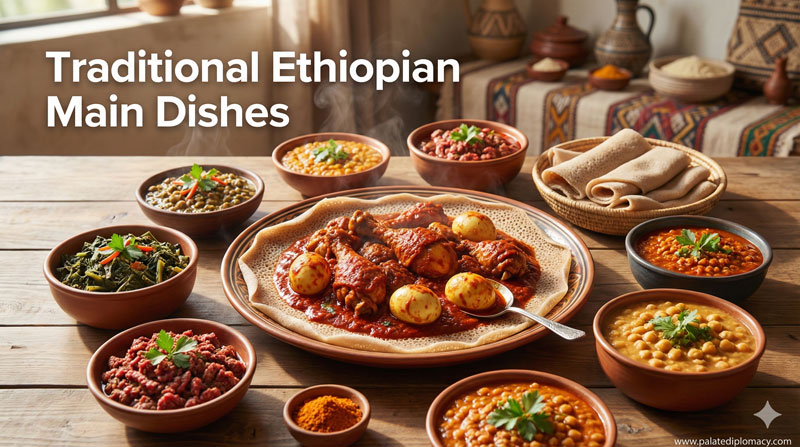
A Complete Guide to Enjoying Dulet Like a Local
Dulet is more than a dish. It is a celebration of flavor, technique, and everyday life. From bustling markets to family kitchens, dulet brings people together. It invites conversation, sharing, and a sense of belonging around the table. This guide explores its cultural value and culinary significance, inviting you to savor dulet Like a local.
What is Dulet?
Dulet is a finely chopped mix of organ meats, usually including liver, heart, and sometimes tripe. It is cooked with onions, garlic, and a blend of spices. The result is a moist, aromatic filling that glows with color and character. Served hot, often with injera or simple flatbread, dulet offers a direct, honest flavor that resonates with cooks and diners alike. Variations exist from kitchen to kitchen, but the core idea remains the same: a hearty, communal dish built on careful preparation and bold seasonings.
The Tradition Behind Dulet
Dulet sits at the heart of everyday meals and festive gatherings. It is a dish that travels easily—from morning stalls to family dinners—because it reflects practical cooking and shared appetite. The preparation itself is a social act in many kitchens: friends and family may gather to trim, chop, and stir, turning cooking into a small ceremony. The result is a dish that embodies care, skill, and the joy of feeding others. In this way, dulet becomes a touchstone for hospitality and warmth, a symbol of how food strengthens bonds and signals welcome.
Flavor Profile and Culinary Significance
Dulet carries a deep, savory richness. The organ meats contribute a distinctive, lingering sweetness and depth, tempered by onions, garlic, and spice. Common seasonings—such as cumin, black pepper, and sometimes a hint of berbere or chili—give dulet brightness and warmth. The texture balances tenderness with a gentle chew, inviting the flame-softened edges of the meat to mingle with the soft bite of bread or injera. This balance is the heart of its culinary significance: a dish that rewards technique and patience, yet remains approachable for a shared meal.
How to Eat Dulet Like a Local
- Start with acidity and aroma. A squeeze of lemon or lime brightens the dish and clears the palate.
- Use injera or flatbread to scoop. Tear a piece, hold it gently, and fold it around a bite to capture both meat and sauce.
- Eat with others. In many settings, dulet is served in a shared platter. Passing the plate and offering bites is part of the social ritual.
- Pace the meal. Dulet is hearty, so enjoy it in generous but mindful portions, allowing conversation and laughter to flow between bites.
Pairings and Serving Traditions
Dulet pairs beautifully with simple accompaniments that let the flavors shine. Fresh herbs, a light lemony drizzle, and a cool cucumber salad balance the savory richness. A cup of hot, clear coffee or a light tea can cleanse the palate between bites and heighten the sensory contrast. In some meals, dulet sits alongside other road-tested favorites, turning a single plate into a complete sense of place—bright, comforting, and deeply satisfying.
Selecting Dulet: What to Look For
- Freshness: Choose dulet that looks vibrant, with a light sheen and a pleasant aroma. Avoid any strong, off-putting odors.
- Color: A uniform, inviting color signals even cooking. Dark patches or uneven tones may indicate uneven cooking.
- Texture: Look for a moist, crumbly texture rather than dryness. It should hold together well when scooped but melt pleasantly on the tongue.
- Garnish: Fresh herbs or a final squeeze of citrus can elevate the dish and signal bright, careful preparation.
Dulet at Home: A Simple Preparation
- Ingredients: finely chopped liver, heart, and/or tripe; onions; garlic; olive oil or clarified butter; salt; pepper; cumin or berbere; fresh parsley or cilantro; lemon juice.
- Steps:
1) Finely chop onions and garlic; sauté in oil until translucent and fragrant.
2) Add trimmed, chopped organ meats. Sauté on medium heat until they begin to brown lightly.
3) Stir in spices and a pinch of salt. Cook gently, allowing flavors to meld.
4) Finish with chopped herbs and a drizzle of citrus juice.
5) Serve hot with injera or flatbread and a simple salad on the side. - Tip: If you prefer milder heat, reduce berbere or chili. If you love brightness, finish with extra lemon juice and herbs.
Regional Reflections and Variations
Across kitchens and markets, dulet adapts to local tastes. Some cooks lean toward a crisper texture with lighter onion sweetness. Others favor a deeper, richer finish through longer simmering and a bolder spice mix. These subtle shifts reflect regional preferences, seasonal ingredients, and the creativity of home cooks and vendors. Embracing these variations offers a fuller sense of how dulet fits into daily life and seasonal cooking.
The Social Value of Sharing Dulet
Sharing a plate of dulet is an act of hospitality. Guests feel welcomed when a portion is offered and the plate passes around with care. The dish invites conversation about techniques, memories of family meals, and appreciation for skilled hands in the kitchen. This social rhythm—preparing, sharing, and enjoying together—cements dulet as more than food. It is a living part of the culture, a daily thread that weaves people closer through taste and gesture.
What to Expect When You Try Dulet
- Aroma: Expect a savory, inviting scent that hints at spices and caramelized onions.
- Taste: A harmonious blend of rich organ meats, warmth from spices, and bright citrus notes when finished well.
- Texture: A balance of tender interior and a lightly crisp exterior from brief browning.
- Experience: A moment of connection—between cook and diner, between tradition and personal taste.
Common Mistakes to Avoid
- Overcooking: Prolonged cooking can dry the meat and dull the flavors.
- Under-seasoning: A modest amount of salt and spice helps the dish sing.
- Ignoring freshness: Fresh organs taste better and yield a superior texture.
- Serving too hot or too cold: Balance is key; service temperature matters for aroma and flavor release.
A Respectful Approach to Enjoyment
When approaching dulet, bring curiosity and gratitude for the craft that goes into it. Slow tasting, shared bites, and a mindful pace honor the dish and the people who prepared it. This respectful approach makes every meal a small celebration of food culture.
Final Thoughts
Dulet embodies the beauty of traditional cooking: simple ingredients elevated by skill, patience, and communal spirit. Its cultural value lies in how it invites people to gather, share stories, and savor a dish that speaks plainly of heart and craft. Whether you encounter it at a busy market stall or in a family kitchen, take a moment to notice the aroma, the texture, and the shared joy around the table. Enjoying dulet like a local is not just about taste; it is about embracing a living culinary culture.