
Discovering Dulet: A Dish of Heart and Heritage
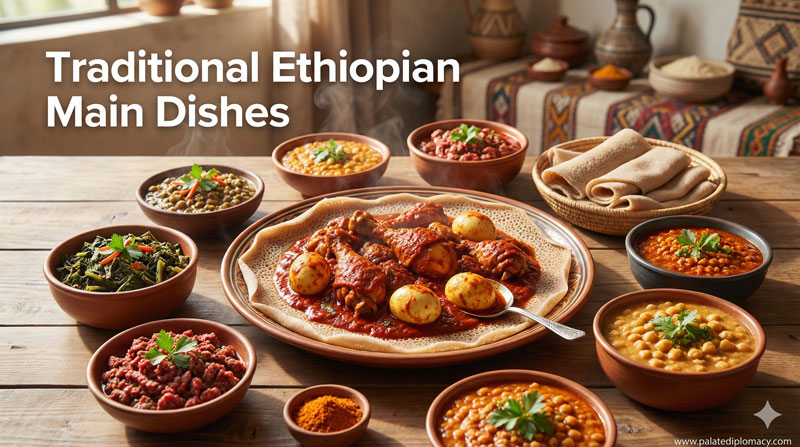
Dulet is a beloved dish in East African kitchens and street stalls. It features minced offal such as liver and sometimes other organs, finely chopped and quickly sautéed with onions, peppers, garlic, and herbs. The result is a fragrant, glossy mash with rich umami and a bright balance of citrus from fresh herbs. It is commonly enjoyed with flatbread, injera, or rice, and a squeeze of lemon adds a final lift. The dish invites sharing and carries the warmth of home cooking through generations.
The Core of Dulet: What It Reveals at the Table
Dulet centers hospitality. In homes and markets, preparing dulet is a sign of care and skill. Cooks balance bold flavors with restraint, letting the meat’s natural richness shine through. Serving dulet invites friends and family to gather, taste, and talk. The dish celebrates generosity and attentiveness at the table, making food the heart of social connection.
The Craft: Making Dulet, Step by Step
Begin with fresh offal and herbs. Finely chop the liver and other available organs. Heat ghee or oil until it shimmers. Sauté onions until they turn lightly golden. Add garlic and peppers, then cook briefly to release aroma. Stir in spices such as cumin, coriander, paprika, and a touch of chili. Mix in the chopped meat and cook just until it is tender and well coated with the spices. Finish with chopped parsley or cilantro for brightness. Serve hot with bread, injera, or rice.
Aromatics and Texture: Senses in Play
Dulet offers a balance of aroma and texture. The fragrance blends caramelized onion, toasty spices, and fresh herbs. The interior stays tender and juicy, with a gentle bite that comes from the chopped offal. Edges may take on a light crisp from brief frying, adding complexity. The overall profile feels warm, savory, and bright all at once.
Cultural Significance: Shared Meals and Community
Dulet shines as a product of communal cooking. It appears in family kitchens, neighborhood gatherings, and casual feasts. The dish teaches patience in preparation and pride in fresh ingredients. Sharing dulet becomes a moment of connection, where conversations flow as smoothly as the pan’s rhythm. This dish is a quiet ambassador of hospitality and everyday artistry in food.
Regional Variations: A Taste Across Borders
Cooks across regions adapt dulet to local palates. Some versions emphasize liver and heart more heavily, while others include small amounts of additional offal for depth. Spice blends vary, from bright coriander and cumin to a warmer mix with paprika and cardamom. Fresh herbs—parsley, cilantro, or mint—offer a lively lift. These variations celebrate local pantry staples while preserving the dish’s core spirit.
Pairings and Occasions: When Dulet Shines
Dulet suits many moments, from a bright breakfast plate to a satisfying dinner. It pairs beautifully with flatbread, injera, or simple rice, accompanied by a fresh salad or pickles. A cup of strong tea or coffee complements the flavors and cleanses the palate. The dish works well for family meals, casual gatherings, and celebratory plates alike, inviting guests to share in the experience.
Caring for Tradition: Respecting Past and Present
To honor the dish, choose fresh ingredients and gentle heat to maintain tenderness. Listen to the sizzle and balance cooking time so flavors stay vibrant. Share the Recipe with care, inviting others to learn and enjoy. In this way, dulet remains a living tradition—a kitchen treasure that grows with every cook and every gathering.