
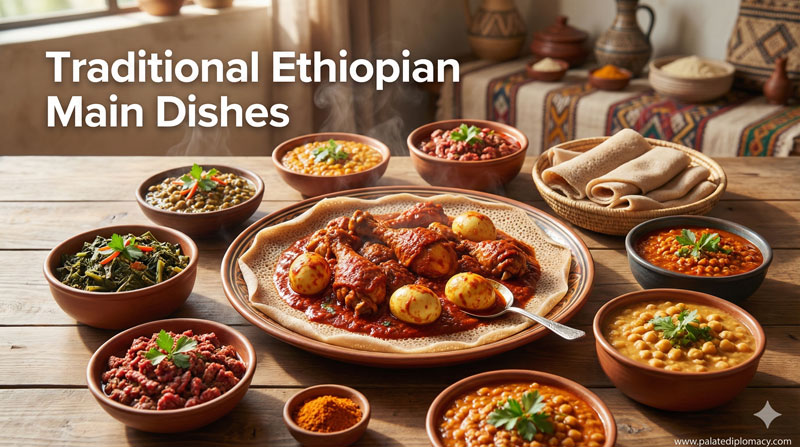
Dulet is a beloved dish in the heart of Ethiopian cooking. In this post, Everything You Need to Know About Dulet, we explore its cultural value and culinary significance. You will discover why this dish shines at family tables, markets, and festive gatherings. The aim is to celebrate its beauty, craft, and place in daily life.
What is Dulet?
Dulet is a Traditional Ethiopian dish made from finely chopped meat and sometimes organ meats, mixed with onions, herbs, and spices. It is cooked gently and then usually chopped once more to achieve a bright, uniform texture. Common seasonings include spice blends such as mitmita or berbere, plus niter kibbeh, a spiced clarified butter. The result is a savory, fragrant dish that blends richness with clean, fresh notes. Dulet is most often enjoyed with injera, the sour flatbread that serves as both plate and utensil in Ethiopian dining.
The Craft: Ingredients and Techniques
The heart of dulet lies in balance and technique. Fresh meat is trimmed and cleaned, and any offal is prepared with care. Onions are sautéed in a little fat to bring sweetness and depth. The meat and organ bits are minced or finely chopped, then folded into the onion base. Spices are added to lift the aroma without overwhelming the natural flavors. The dish is cooked just until the pieces are tender enough to bite through, preserving a lively texture.
In many homes, the finishing touch is a drizzle of niter kibbeh, the spiced clarified butter that adds a warm, nutty note. Some cooks finish with a squeeze of citrus or a scattering of chopped herbs. The result is a dish that feels both rustic and refined, a testament to careful preparation and attentive cooking. The technique highlights a philosophy: simple ingredients, thoughtful handling, and a respectful pace in the pan.
Cultural Significance and Gatherings
Dulet holds a special place in Ethiopian food culture as a dish that invites sharing. It appears on family tables during everyday meals and at larger gatherings where people come together to cook, chat, and savor a meal. The preparation often brings cooks and helpers into a shared routine, turning cooking into a social activity as much as a culinary task. This communal aspect elevates dulet from a mere dish to a cultural event—one that marks hospitality, generosity, and the joy of feeding others.
In many households, dulet sits alongside other beloved staples in a multi-dish spread. Injera, with its tangy bite, acts as a natural partner, allowing guests to scoop up bites of dulet and other preparations. The dish can symbolize seasonal abundance or everyday sustenance, depending on the occasion, yet it always communicates welcome and care. Its presence at meals speaks to the value many communities place on warm hospitality and shared nourishment.
Flavor Profile and Texture
Dulet offers a harmonious contrast of flavors and textures. The meat is savory and full-bodied, with a aroma from the spices that feels bright rather than heavy. If organ meats are included, they bring a delicate earthiness that many cooks balance with onions and herbs. The fat from the butter adds depth without heaviness, while a touch of citrus or fresh herbs provides lift. The texture is finely minced and slightly chewy in places, with tender edges where it has met the pan. This combination makes dulet approachable for both everyday meals and special occasions.
Pairing ideas are simple: injera to scoop, fresh herbs for brightness, and a crisp salad or grilled vegetables to contrast richness. A light fermented beverage or a cool yogurt-based drink can also complement the dish nicely. The beauty of dulet lies in its ability to stand on its own or to harmonize within a broader Ethiopian tasting experience.
Regional Variations Within Ethiopian Cuisine
Across regions, dulet can vary in spice level, ingredient mix, and fat content. Some kitchens favor a leaner version with more onion and herbs, while others embrace a richer base with extra clarified butter. The choice of spice blends can shift the aroma from gently floral to warmly spicy. Local preferences shape the dish, but the core idea remains the same: a finely chopped meat dish cooked with care, then shared with warmth.
Serving and Etiquette
Serving dulet is a moment of hospitality. It is typically placed in the center of the table so everyone can help themselves with injera. Portions are generous, and guests often mingle flavors by pairing dulet with different bites of injera. The spirit of the meal is generosity and connection, so knives and forks are less common at traditional gatherings; instead, guests use pieces of injera to scoop and enjoy. Clear bowls and clean serving spoons help keep the gathering comfortable and organized for all.
A Glimpse into the Culinary Landscape of Dulet
Dulet sits at the crossroads of flavor, technique, and social life. It exemplifies how Ethiopian cooks transform everyday ingredients into something celebratory and comforting. The dish respects the strength of spices and the tenderness of meat, and it radiates a sense of place through its aromas and textures. In this light, dulet is not only food but a tactile expression of hospitality, skill, and shared joy.
Quick Tips for Home Cooks
- Choose fresh meat and clean offal carefully if you include it.
- Start with a gentle sauté of onions in a small amount of fat.
- Add spices gradually to build aroma without overpowering the meat.
- Finish with a touch of niter kibbeh and a squeeze of lemon for brightness.
- Serve with injera and offer a light fresh salad to balance richness.
Everything You Need to Know About Dulet reveals a dish that is at once simple and sophisticated. It invites cooks to honor tradition while inviting guests to partake in a moment of warmth and shared flavor. The beauty of dulet lies in its ability to transform everyday ingredients into a dish that feels like home, crafted with care and shared with care. This is the heart of Ethiopian culinary culture—an invitation to slow down, savor the moment, and celebrate the craft of food.