
Why Dulet Is One of Ethiopia’s Most Loved Dishes
Dulet is a celebration on a plate. It brings people close with warmth, aroma, and a shared heartbeat of flavor. In Ethiopian kitchens, this dish speaks of hospitality, family, and daily pride. It blends bite, scent, and color in a way that invites conversation and smiles. When dulet arrives at the table, it signals that guests are welcome and meals are meant to be enjoyed together.
What Dulet Is and How It Comes Together
Dulet is a finely chopped medley of meats, usually beef or lamb, mixed with organ meats such as liver and sometimes tripe. It is seasoned with a bright chorus of onions, garlic, and fresh herbs. Spice gives it its spark: berbere, mitmita, or a gentle touch of chili powder depending on the cook. The mix is sautéed in clarified butter or a small amount of oil until glossy and fragrant. The result is a warm, crumbly, yet cohesive mass that glows with color and life. In essence, dulet is a concise, soulful expression of Ethiopian flavors in a single dish.
The Craft of Preparation: Flavors and Techniques
First comes careful preparation. Clean and trim the meats, then chop them into small, even pieces. In many homes, cooks parboil the organs to soften and remove any strong notes. Second, the onions are cooked slowly to release sweetness, followed by garlic and spices. Third, the meats join the pan, and the heat is steady but moderate. The goal is to retain a tender bite while letting the spices cling Like a warm coat. Finally, a finishing touch of fresh lemon juice or herb greens can brighten the dish. The technique balances richness with brightness, depth with lift, and it rewards careful timing.
Dulet at the Heart of Gathering and Hospitality
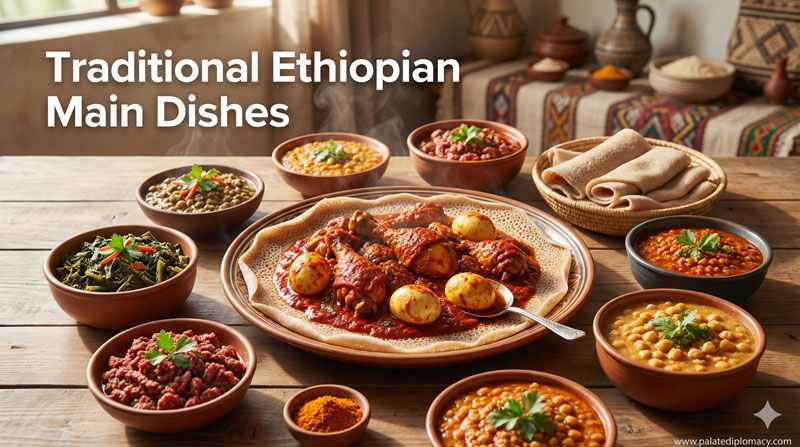
In Ethiopian culture, meals are a daily form of welcome. Dulet shines in this context. It appears on tables during family gatherings, celebrations, and festive meals. The dish is often served with injera, the spongy flatbread that acts as both plate and utensil. Diners tear a piece of injera, scoop a portion of dulet, and bring it to their mouths in a single, satisfying bite. The sharing gesture, known as gursha, can accompany dulet as a sign of welcome and care. In this sense, dulet is more than food; it is a ritual of connection and generosity.
Regional Variations and Seasonings
Across Ethiopia, cooks adapt dulet to regional tastes. Some regions favor a bolder, spicier kick with extra berbere. Others lean toward a milder profile, letting the sweetness of onions and the savor of meat lead. The choice of spice blends, the balance of salt, and the texture of the chop give each version a distinct voice. You may encounter dulet that includes a hint of fresh herbs or a squeeze of lemon toward the end. These variations celebrate local markets, family recipes, and the seasonal edge of ingredients, all while preserving the dish’s core spirit.
The Senses: Color, Aroma, and Texture
Dulet awakens the senses. The color ranges from warm amber to deep copper, inviting the eye. A savory aroma fills the room as onions caramelize and spices bloom. The texture is a blend: tender bits mixed with small crisp edges where the pan kissed the meat. Each mouthful offers a gentle chew, a soft melt of fat, and a linger of spice that invites another bite. The sensory experience makes dulet memorable, encouraging diners to savor slowly and share the moment.
Pairings, Serving, and Etiquette
Serve dulet with injera, allowing the bread to be torn into a circle that can cradle the meat. A small side of fresh onion slices, a wedge of lemon, and perhaps a green chili provide choice contrasts. In Ethiopian meals, the act of eating with hands is common, and the wrapping of injera around dulet creates a complete, comforting bite. A proper serving size respects the table’s pace, letting everyone enjoy the dish without rush. Above all, dulet invites conversation, patience, and a shared sense of enjoyment.
Dulet in Modern Ethiopian Cuisine
Today, dulet appears in many Ethiopian restaurants and homes with a touch of Modern Polish. Chefs experiment with textures, using finer chops or slight adjustments to spice blends while keeping the dish’s soul intact. In urban markets, you may find dulet in a bite-sized form for sampling, or as a hearty staple in larger meals. Yet the spirit remains the same: a dish born from careful preparation, generous hospitality, and a love for robust, honest flavors. The modern presentations honor tradition while inviting new diners to discover its charm.
A Plate That Tells a Story
Dulet tells a story of daily life and festive spirit. It speaks of markets filled with fresh meat and bright spices, of kitchens where families gather around heat and time, and of shared meals that turn strangers into friends. The dish invites curiosity about technique and a taste for balance. Most of all, it celebrates the beauty of Ethiopian food culture—the generosity of seasoning, the warmth of community, and the timeless appeal of a dish made with care. When you savor dulet, you taste a culture that values connection, craft, and the simple joy of a well-made meal.