
A Complete Guide to Enjoying Pyzy Like a Local
Pyzy are more than dumplings. They are a warm thread in the tapestry of Polish dining. This guide invites you to explore their charm, from simple kitchen tables to bustling markets. You will see how the dish embodies craft, comfort, and communal delight. The aim is to celebrate the food itself and the moments it creates around the table.
What Are Pyzy?
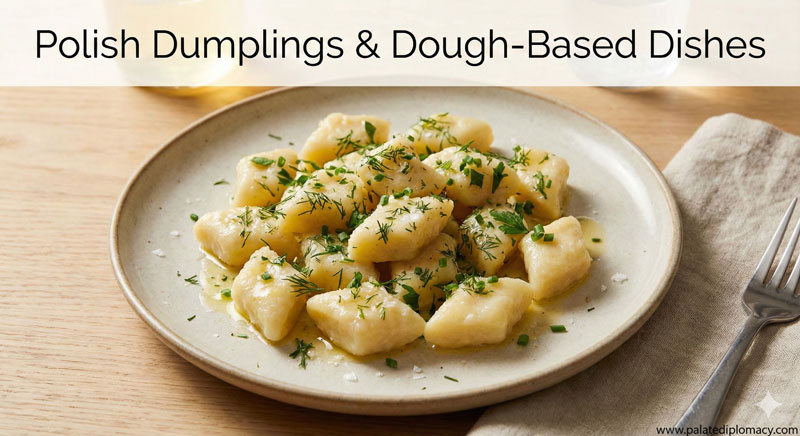
Pyzy are potato dumplings that come in several forms. They can be large or small, round or oval, plain or stuffed. The backbone is potatoes, often with a touch of flour to hold shape. Fillings range from meat to cheese or mushrooms, though many enjoy them simple and pure. Pyzy are usually boiled, then served hot with toppings or sauces. They appear in everyday meals and in special gatherings, linking generations through shared flavors.
The Heart of the Dough: Texture and Craft
The appeal of pyzy lies in texture. The dough balances grated or mashed potatoes with just enough flour to hold its form. A skilled cook folds carefully, aiming for a smooth yet sturdy bite. Too much flour makes the dumplings heavy; too little can make them fall apart. The best pyzy feel almost silky inside, with a gentle chew on the outside. When filled, the filling should complement, not overpower, the potato shell.
Cooking Techniques and Timing
Boiling is the common path to perfect pyzy. Start with a pot of gently salted water. Add the dumplings in small batches, giving them space to rise. Let them cook until they float, then give them a few minutes more for a tender finish. A calm simmer prevents cracking. Removing them with a slotted spoon and letting them rest briefly keeps them glossy and appealing. Proper timing preserves their delicate texture and bright flavor.
On the Plate: Sauces and Toppings
A simple plate sings with the right companions. Melted butter with onions adds a warm sweetness and aroma that invites a second bite. Sour cream brings a gentle tang that balances the richness. Some cooks finish pyzy with fried breadcrumbs or crisp cracklings for a tiny crunch. Others drizzle a mushroom sauce or a light gravy. The sauce and topping choices behave Like a conversation, reflecting family taste and regional habit.
Regional Feel and Variations
Across Poland, cooks adapt pyzy to local flavors and tools. Some regions favor larger dumplings with meat fillings; others enjoy plainer forms with cheese or mushrooms woven into the dough. The choice of sauce can highlight forest mushrooms, garden herbs, or dairy brightness. These variations reveal how a simple dish travels through farms, kitchens, and markets, gathering small differences that feel like a shared heritage.
A Family Moment: Passing Pyzy Through Generations
Pyzy shine brightest at family tables. A grandmother’s hands guide the shaping, a parent explains the boiling rhythm, and children learn by watching. The dish becomes a tradition of care, patience, and celebration. The kitchen fills with gentle steam and warm chatter, creating memories that families carry forward. In this way, pyzy become more than food; they are a ritual of togetherness.
Cultural Moments: Food as Expression of Everyday Life
In homes and taverns, pyzy appear in moments of nourishment and joy. They mark busy workdays, festive Sundays, and quiet evenings with friends. The dish invites people to slow down, share a plate, and savor straightforward flavors. Its accessibility makes it a bridge between generations and a steady feature in the rhythm of daily life. This cultural presence helps many people feel connected to place and tradition.
Pairings, Etiquette, and Savoring
To truly enjoy pyzy, approach them with curiosity and respect for the craft. Taste in small, deliberate bites to notice the balance of potato, starch, and any filling. Pair them with the right sauce and a warm beverage or a light beer, if you like. Etiquette around the table favors relaxed sharing: serve others first, then yourself, and linger at the table to appreciate conversation and aroma. Such small acts honor the dish and the people who make it.
Where to Taste and Learn
If you seek authentic pyzy, look for family-owned eateries, traditional kitchens, or local markets where cooks demonstrate the craft. Ask kindly about the dough’s texture, the fillings offered, and the preferred serving style. Observing a cook roll the dough, shape the dumplings, and manage the boiling water offers a living lesson in technique and care. Tasting in a setting that values tradition can deepen your appreciation for the dish’s cultural value.
A Local’s Guide to Enjoying Pyzy
- Observe the texture: tender inside, resilient outside.
- Notice the sauce: a bright partner that reveals regional preference.
- Savor the aroma of butter and onions melting together.
- Create a moment to share: invite someone else to taste, and listen to their first impression.
- Keep the memory: write down the small details that made the experience special.
Closing Reflection: The Beauty of Pyzy in Craft and Community
Pyzy celebrate simple ingredients shaped into comforting forms. They honor the hands that mix, roll, and boil them. They invite conversations about family, place, and method. By appreciating pyzy, you join a long tradition of cooks who value texture, balance, and warmth. It is a humble dish with a timeless generosity, inviting all to enjoy, learn, and connect through flavor.