
Why Egusi Soup Is One of Nigeria’s Most Loved Dishes
Egusi soup, crafted from ground melon seeds, stands out on Nigerian tables for warmth and welcome. It appears at family meals, market gatherings, and festive spreads alike. The dish invites people to sit together, share stories, and savor a comforting aroma. It is a symbol of hospitality, care, and daily joy in many homes.
Core Ingredients and Their Meaning
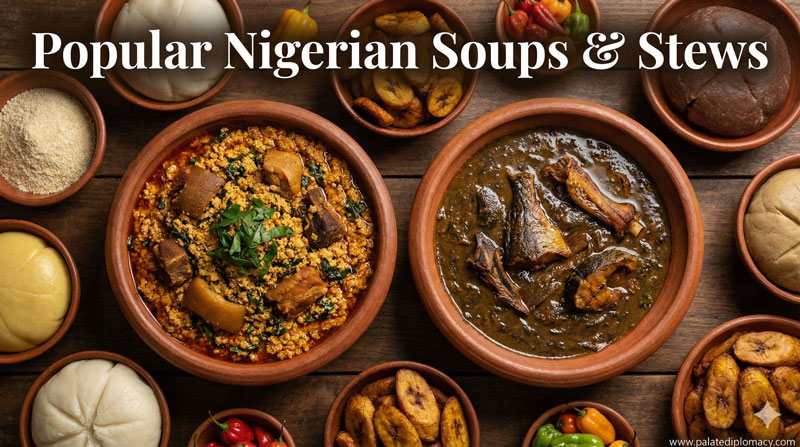
The Heart of egusi soup is the melon seed paste, which gives a silky body and a rich, nutty flavor. Bright palm oil colors the dish and adds smooth depth. Leafy greens, such as spinach, bitterleaf, or ugwu, bring freshness and balance. Meat, fish, or dried stockfish add protein and a sense of abundance. The combination of seeds, oil, greens, and protein creates a dish that feels both hearty and refined.
The Cooking Craft: Technique and Texture
cooks start by gently toasting or grinding the seeds, then simmer them with onions and peppers. The paste blends into a simmering broth, building a creamy base. Stock is added carefully to achieve a robust, not overtly thick, texture. Greens go in toward the end, preserving their bright color and crisp edge. The result is a dish with a smooth, luxurious mouthfeel and a lively finish.
Social Ties: Family, Hospitality, and Shared Meals
Egusi soup plays a central role in gatherings. Families come together, share hot bowls, and pass around fufu or pounded yam. The meal becomes a moment of connection, where laughter and conversation flow as freely as the soup. Communities often prepare larger pots to feed neighbors and visitors, reinforcing a spirit of welcome. In this way, the dish nourishes more than the body; it nourishes relationships.
Regional Flavors: Variations Across Nigeria
Different regions bring their own twists to egusi soup. Some kitchens favor spinach, others prefer bitterleaf or ugwu for a distinctive finish. The choice of meat or fish can range from beef to goat or dried fish, shaping the depth of flavor. The soup may appear with a touch of heat or a milder profile, but the core harmony remains constant. These variations celebrate local ingredients while keeping the dish instantly recognizable.
Pairing and Serving: The Rites of a Table
Egusi soup shines beside starchy staples like pounded yam, fufu, garri, or rice. Dipping or tearing pieces of the staple into the soup creates a satisfying bite. The contrast between creamy soup and chewy accompaniment delights the palate. Serving often centers on generosity, with bowls shared around a tray or table. This ritual underscores the dish’s role as a unifying hunger-quencher.
A Living Tradition: Modern Adaptations
Chefs and home cooks explore new textures, greens, and spice blends while honoring tradition. Some experiments add subtle aromatics or alternate seeds to vary the aroma and body. Yet the essence remains: egusi soup invites patience, balance, and respect for time-honored methods. These updates keep the dish fresh while preserving its cultural soul.
Conclusion: A Dish That Nourishes More Than the Body
Egusi soup stands as a beloved staple because it blends flavor, texture, and ritual. It breathes life into gatherings and daily meals alike. Its enduring appeal lies in how easily it adapts to different tables while keeping a consistent heart. In every pot, it carries a quiet celebration of Nigerian Food Culture.