
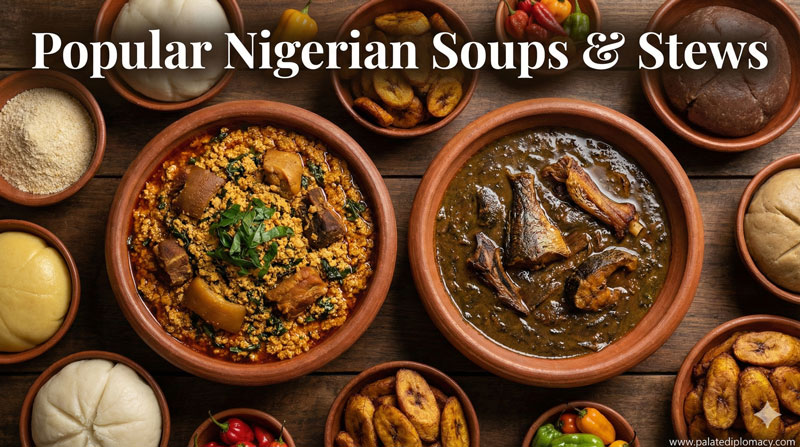
Why Egusi Soup Holds a Special Place in Nigerian Kitchens
Egusi soup is more than a dish. It is a warm expression of care, family, and local pride. In Nigerian homes, the aroma of roasted melon seeds, the glow of palm oil, and the sizzle of onions tell a story of welcome and shared meals. This soup is celebrated for its comforting texture, rich color, and versatile flavor. It invites people to sit together, to talk, and to enjoy a meal that feels like home. The dish travels well from a weekday supper to a weekend celebration, always carrying a sense of heritage and hospitality.
Core Ingredients: What Makes Egusi Soup Stand Out
The heart of egusi soup is the egusi seeds themselves. Ground into a smooth powder, they give the soup its creamy body and nutty depth. Palm oil provides a bright, orange-gold hue and a full, aromatic sweetness. Leafy greens such as spinach, ugu (pumpkin leaves), or bitter leaf add a fresh, garden-like note. Protein options are flexible: beef, chicken, fish, or stockfish contribute savory richness. Aromatics like onions and peppers lend brightness and lift. Crayfish adds a touch of ocean-fresh savor, while optional seasonings such as ogiri or locust beans bring a gentle earthiness. The blend of seeds, oil, greens, and proteins creates a dish that feels both nourishing and celebratory.
The Craft: How Egusi Soup Is Prepared
The preparation balances technique with intuition. Many cooks start by lightly toasting or roasting the egusi seeds to release their aroma. The seeds are then ground into a fine powder and mixed with water or stock to form a paste. In a separate pot, onions and peppers are sautéed, and the chosen protein is added to develop flavor. The egusi paste is gradually stirred in, along with enough liquid to reach a thick, silky consistency. The mixture simmers gently, absorbing spices and adding depth as it thickens. Finally, greens are folded in just before serving to maintain their fresh color and texture. The result is a luscious, creamy soup with a lively, bright finish that holds its own against bold condiments and sides.
Serving Traditions: With Fufu, Pounded Yam, and More
Egusi soup shines when paired with traditional “swallow” foods. Pounded yam and fufu are classic companions, offering a smooth, pliable bite that contrasts beautifully with the soup’s creaminess. Eba (garri) is another popular choice, providing a light, starchy balance. Some serve egusi with white rice for a different texture and soak of flavor. The ritual of dipping a piece of swallow into the soup and savoring the nutty, peppery notes is a simple, satisfying pleasure. Across households, presentation may vary, but the essence remains: a shareable, communal dish that invites conversation and slow savoring.
Regional Variations: A Palette of Flavors
Nigeria’s culinary landscape shapes egusi into subtle regional expressions. In some homes, ogiri or locust beans hint at a deeper, fermented aroma that complements the nutty egusi. Others favor bitter leaves or spinach, each choice changing the soup’s bite and balance. Some cooks add extra heat with peppers or chili, while others keep the heat moderate to let the egusi shine. Crayfish or dried fish can be adjusted for a briny, oceanic note. These variations reflect local tastes and seasonal ingredients, yet all preserve the core idea: a hearty, flavorful soup built around ground melon seeds and a comforting, creamy texture. The result is a dish that feels familiar across many Nigerian communities, even as each kitchen adds its own personality.
A Dish of Togetherness: Family, Hospitality, and Storytelling
Egusi soup embodies hospitality. It is common to prepare larger quantities for family gatherings, celebrations, or Sunday meals, inviting neighbors and guests to share. The act of cooking becomes a quiet conversation—about technique, ingredients, and memories of meals past. This dish teaches generosity through abundance: a pot that feeds many, with leftovers that can become tomorrow’s lunch. In every region, egusi is a vessel for connection—an everyday treasure and a celebratory centerpiece alike. The beauty of egusi lies in its balance: it honors simple, durable ingredients while offering a dish that feels refined and comforting at once. It stands as a graceful example of Food Culture that respects tradition while welcoming personal touch.
If you seek a dish that speaks of warmth, skill, and shared joy, egusi soup offers a vivid, flavorful invitation. Its cultural value rests in the way it brings people together, How It celebrates the land’s harvest, and how it endures in memory long after the last spoonful.