
A Complete Guide to Enjoying Gołąbki Like a Local
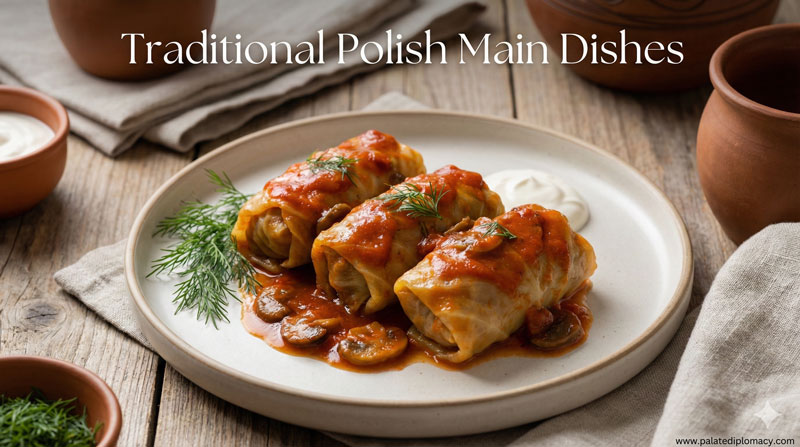
Gołąbki, or stuffed cabbage rolls, carry a warm sense of home in Polish kitchens. The dish pairs tender cabbage leaves with a savory filling, then braises slowly to mingle flavors. It speaks of care, patience, and shared meals around a table. This guide celebrates its cultural value and culinary significance, inviting you to savor the most-loved versions with intention and delight.
Core ingredients and craft
The heart of Gołąbki is simple yet harmonious. Cabbage leaves provide a crisp, silky wrap. The filling usually blends ground pork or beef with cooked rice, onion, garlic, and fresh herbs. Salt, pepper, and a touch of marjoram or dill lift the mixture. Some families add mushrooms or a hint of tomato for depth. The sauce plays a supporting role, often a tomato-based braise or a lighter broth that keeps the rolls moist as they cook. Together, these elements create a comforting balance of sweetness, tang, and savoriness.
The cooking process and texture
Begin by softening the cabbage leaves gently so they wrap easily. Mix the filling until it feels cohesive but not dense. Wrap each portion snugly, seam side down. Place the rolls in a pot and cover with sauce or broth. Braise slowly, letting the flavors merge and the meat stay tender. The result is a glossy finish, with rice and meat absorbing moisture and aroma from the simmering sauce. When done, the rolls hold their shape and offer a satisfying bite.
Regional variations and family styles
Across Poland, gołąbki take on regional personalities. Some recipes favor a leaner meat mix, others embrace a richer blend with pork belly or ham. Spices vary too: dill, marjoram, or a kiss of paprika can define a regional signature. Rice types and grain substitutes appear in certain homes, creating texture contrasts. Even the cabbage choice matters—savory, pale leaves from early harvests offer a delicate handle, while sturdier varieties yield a firmer wrap. These nuances reflect local вкусы and family memories, making each kitchen’s gołąbki a fresh expression of tradition.
Serving, etiquette, and moments
Gołąbki typically arrive at the table in a warm, comforting dish, sometimes with a dollop of sour cream on the side. They pair beautifully with mashed potatoes, bread, or simple greens, allowing the filling’s character to shine. Sharing this dish strengthens conversations and invites lingered moments together. In many homes, a recipe is guarded as a family treasure, passed down with tips for wrapping and timing. The ritual of serving itself becomes part of the cultural value, reinforcing hospitality and warmth.
Pairings and seasonal notes
For a classic experience, pair gołąbki with a light red wine or a crisp apple cider. A neutral beer can also complement the dish without overpowering its gentle flavors. In spring and summer, a fresh herb salad brightens the meal; in autumn and winter, roasted vegetables deepen the plate. The sauce’s acidity often dictates the best accompaniment, so adjust a squeeze of lemon or a splash of extra tomato to balance richness.
A cultural thread: memory, craft, and celebration
This dish weaves together family labor and shared memory. Wrapping leaves becomes a small act of care, a moment to connect across generations. Recipes evolve with time, while the core idea remains: food is a bridge between people. When gołąbki appears at gatherings, it signals welcome and togetherness. The beauty lies not only in taste but in the quiet ritual of cooking, serving, and listening to each other.
Quick guide to enjoying gołąbki like a local
- Choose bright cabbage leaves and a filling that feels balanced in texture.
- Wrap snugly but not tightly, so the filling cooks evenly.
- Braise slowly to let flavors meld and the meat stay tender.
- Serve with a modest dollop of sour cream and simple sides.
- Share the experience with family or friends, savoring the moment as much as the taste.
Gołąbki offer more than nourishment; they invite you into a culture of care, tradition, and communal joy. With each bite, you glimpse a culinary story that has fed many generations and continues to enchant diners today.