
A Complete Guide to Enjoying Karahi Like a Local
Karahi is more than a dish. It is a shared moment, a bowl of comfort, and a bright thread in the fabric of everyday meals. The sizzle, the aroma, and the glossy sauce invite conversation as much as they invite you to taste. This guide celebrates the cultural value and culinary significance of karahi, while inviting you to experience it with openness and respect.
The Soul of Karahi: Ingredients and Craft
A karahi centers on a shallow, wide pan that unlocks color and aroma. The core is simple: meat or poultry, tomatoes, onions, garlic, ginger, green chilies, and a chorus of spices. Fresh cilantro crowns the dish at the end, adding a lift of brightness. The beauty lies in balance: sweetness from ripe tomatoes, heat from chilies, and warmth from cumin, coriander, and garam masala. High heat seals the meat’s surface, creating caramelized edges that deepen flavor. The sauce thickens into a glossy glaze that clings to every piece.
Different kitchens emphasize different notes. Some spots favor a tomato-forward base with a tangy edge; others highlight a richer, spicier finish. Yet the core idea remains the same: a bold, immediate taste that respects the ingredients and the cook’s hand. Every bite carries a sense of place, of farms, markets, and the daily rituals that bring people together around the table.
The Sizzle and Scene: Cooking as a Shared Moment
The moment karahi hits the table is a cue for connection. The pan’s steam, the hiss of oil, and the mingling scents travel beyond the kitchen. In many neighborhoods, karahi is cooked in a communal space or at a lively stall, where neighbors know the cook by name and a shared table awaits. The experience is tactile: you hear the crackle, see the vibrant color, and feel the warmth on your lips. This is where food becomes hospitality, and hospitality becomes memory.
To truly enjoy karahi Like a local, listen to the rhythm of service. The dish arrives hot, often in generous portions. Savor the aroma before the first bite. Then, pair it with bread and sides that balance heat and brightness. The scene is a reminder that good food thrives in community and simple, sincere care.
A Local Table: Pairings and Etiquette
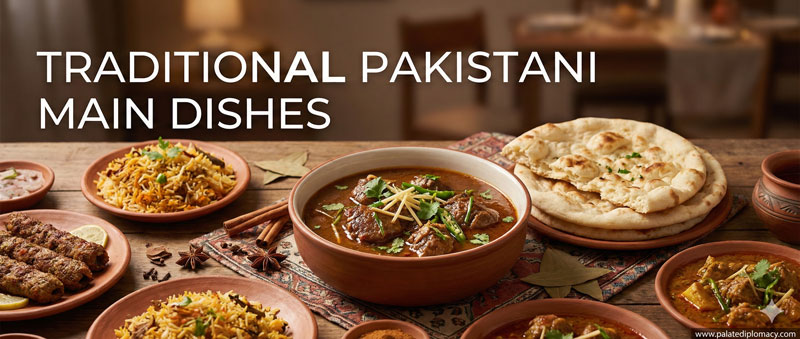
Karahi shines beside flat breads such as naan or roti. Use the bread to scoop the sauce and tender chunks, letting each mouthful carry both sauce and fragrance. A squeeze of lemon adds a citrus lift that brightens the dish without overpowering it. Thinly sliced onions and fresh cilantro on the side offer crisp contrast and color.
If you’re new to karahi, start with a moderate spice level. You can always request extra chili on the side if you crave more heat. A cooling yogurt or raita complements the dish well, offering balance for those who prefer a calmer finish. The key is to taste, notice, and slow down—let the flavors unfold and breathe in the aroma as part of the experience.
Regional Variations: The Many Faces of Karahi
Karahi is celebrated in many regions, each with its own touches while preserving the core spirit. In some parts, the sauce leans toward a tomato-rich glaze with a bright tang. In others, a deeper, spicier note emerges from toasted spices and longer simmering. The choice of meat—lamb, beef, or chicken—also shapes the character, as does the level of heat and the use of fresh herbs. Across regions, karahi remains a testament to how a single cooking method can yield a family of flavors, each with its own story and memory.
The ingredients themselves tell a regional tale. Garlic, ginger, and green chilies announce heat and warmth; coriander and cumin provide citrusy and earthy notes. A pinch of kasuri methi or fenugreek leaves might appear for fragrance, never overpowering the dish. What stays constant is the sense of celebration around a shared plate and the pride of skilled hands preparing something beloved.
Seasonal Freshness: Ingredients that Elevate Karahi
Seasonality matters in karahi. Ripe, sun-warmed tomatoes give a bright base, while fresh herbs lift the finish. Meat, when chosen with care, offers a tender bite and robust flavor. On busy days, a stall or kitchen might feature local produce that resonates with the season and the moment. The result is a dish that feels immediate, delicious, and deeply rooted in its surroundings.
Choosing ingredients with care enhances not just taste, but the entire experience. Freshness signals quality and respect—for the cook, for the diners, and for the culture that sustains the recipe.
Sourcing and Sensibility: A Quick Guide for Visitors
When you encounter karahi in a market or a restaurant, look for a glossy sauce and well-seared pieces. The color should be rich, not dull. Aroma should be inviting, not overpowering. For a memorable experience, choose a place where the cook takes pride in balance—where the spice blend enhances rather than dominates.
Ask questions with curiosity and kindness. Learn what type of meat is used and how the dish is finished. Notice the artistry in garnish and the way the sauce clings to each piece. In turn, you’ll gain a deeper appreciation for the craft and a clearer sense of the dish’s place in local Food Culture.
Cooking as Culture: The Heartfelt Craft Behind Karahi
Karahi is a celebration of skill and patience. The cook’s hand guides the heat, the timing, and the blend of spices. It is a craft learned through practice and shared across generations. Each plate carries a lineage of technique and a memory of meals enjoyed together. This is the essence of karahi’s cultural value: a bridge between kitchen artistry and everyday happiness.
Final Notes: Savoring with Respect and Joy
To enjoy karahi like a local is to honor both the dish and the people who prepare it. Savor the first bite slowly, observe the balance of heat and sweetness, and appreciate the social warmth that accompanies a shared meal. By embracing the sensory richness and the communal spirit, you participate in a tradition that thrives on hospitality, craft, and joy.
If you’re planning a visit to a new town, seek out a karahi that reflects the region’s character. You’ll find not just a meal, but a living expression of local food culture. And you’ll leave with a clear sense of why karahi remains beloved: because it brings people together, one sizzling, fragrant, flavorful plate at a time.