
A Complete Guide to Enjoying Kik Alicha Like a Local
Kik alicha is more than a dish. It is a quiet celebration of texture, aroma, and shared meals. This guide invites you to discover its cultural value and culinary significance. With simple steps and mindful tasting, you can enjoy it as locals do—at ease, with appreciation, and with an eye for tradition.
What Is Kik Alicha?
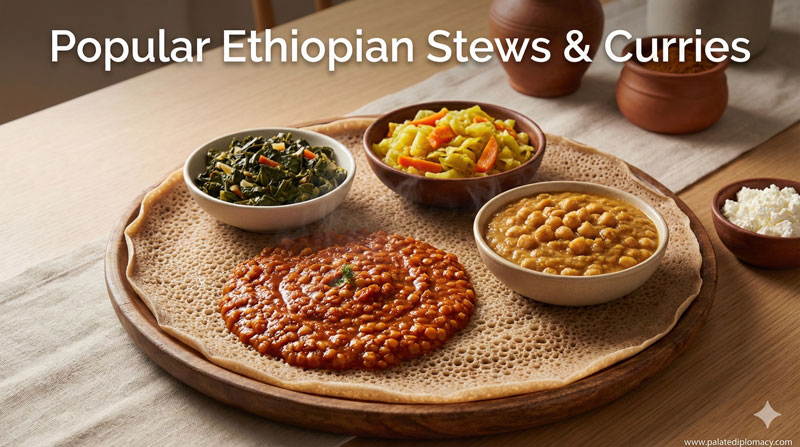
Kik alicha is a gentle, yellow split pea stew. It is cooked until the peas are tender, creamy, and softly separated by a balanced, mild blend of spices. Key flavors come from onions caramelized to sweetness, garlic, ginger, and turmeric. Oil or clarified butter enriches the pot, giving a gentle roundness to the finish. This dish is intentionally mild, designed to let the peas shine while still carrying a warm, comforting aroma. The result is a smooth, comforting stew that pairs beautifully with injera, the sour flatbread that accompanies most Ethiopian meals.
Cultural Value in Ethiopian Dining
Eating kik alicha is about more than taste; it is about togetherness. In many meals, injera is shared on a large platter, and pieces are torn to form individual portions. Each person uses a piece of injera to scoop bites of kik alicha, creating a sense of unity at the table. The dish is often part of everyday meals, as well as celebrations, making it a staple that bridges routine and ritual. Its accessibility—vegetarian, wholesome, and nourishing—speaks to a culture that values balance, hospitality, and care for guests. When a family or friends gather, kik alicha helps set a calm, generous tone for the meal. It invites conversation, laughter, and slow, attentive eating.
The Culinary Significance: Texture, Aroma, and Balance
Texture plays a starring role. The yellow split peas melt into a velvet body, while still offering gentle bite. The onions provide a natural sweetness, and turmeric lends a warm, sunny glow to both color and aroma. Garlic and ginger add depth without overpowering, letting each spoonful feel clean and comforting. The oil or niter kibbeh (a spiced clarified butter) softens the flavors and adds a subtle, luxurious gloss. The result is a dish that feels nourishing and simple at first bite, yet richly layered with every mouthful. This balance—mild but flavorful, creamy yet distinct—demonstrates the kitchen’s artistry in transforming humble ingredients into a beloved staple.
How Locals Enjoy Kik Alicha
First, prepare with intention. Rinse the peas well and set them aside. Next, slowly sauté finely chopped onions until they glow with caramel color. Then add minced garlic and grated ginger, allowing their aromas to rise. Stir in turmeric and a touch of other mild spices, warming the mixture without creating heat. Add the peas and sufficient water to cover, and simmer gently until the peas are completely tender and the sauce thickens to a creamy consistency. Finally, finish with a light salt and a drizzle of oil or butter for sheen. Serve alongside injera. Tear a piece of injera and use it to scoop the alicha, letting the flavors mingle with the tang of the bread. Eat slowly, savoring the harmony of spice, sweetness, and grain.
Pairings and Serving Traditions
Injera is the natural partner for kik alicha. The sour, spongy bread acts as both plate and utensil, catching every bit of the stew. Gomen (collard greens) and other softly cooked vegetables often accompany the dish in a full platter, creating a rainbow of textures on the table. A simple cucumber-tresh or tomato salad can brighten the plate between bites. For drinks, a light tea or traditional beverages that are not too sweet complement the meal without overpowering the gentle flavors. This arrangement emphasizes balance and hospitality, core ideas in many Ethiopian dining rituals.
Quick Tips and Variations
- For a creamier texture, partially blend a portion of the cooked peas and then reintroduce them to the pot.
- If you prefer a touch more fragrance, add a pinch more ginger near the end of cooking.
- To keep the dish mild for kids or guests who favor gentler heat, skip any hot spices and rely on turmeric for warmth.
- Experiment with textures by adding diced carrots or small potatoes, then adjust cooking time so everything remains tender.
- Use olive oil or traditional niter kibbeh for authenticity and depth. Both deliver a smooth finish that enhances the dish’s gentleness.
Making Kik Alicha at Home: A Simple Path
Begin with good ingredients: yellow split peas, onions, garlic, ginger, turmeric, oil, and salt. The process is forgiving, inviting home cooks to savor calm, attentive cooking. As you simmer, notice how the kitchen fills with a comforting, earthy aroma. This moment is part of the cultural experience: patience and care culminate in a dish that invites sharing. Finally, enjoy with injera and a quiet, appreciative palate. The practice reinforces a sense of belonging—both in the kitchen and at the table.
Final Thoughts: The Beauty of Kik Alicha in Food Culture
Kik alicha embodies a beloved approach to food: simple ingredients treated with care become something warm and memorable. It reflects a culture that values hospitality, balance, and the joy of communal meals. When you savor kik alicha, you participate in a tradition that honors flavor without excess, nourishment without rush, and community without ceremony. May this guide help you taste, savor, and share the dish with kindness, curiosity, and respect for the cuisine it represents.