
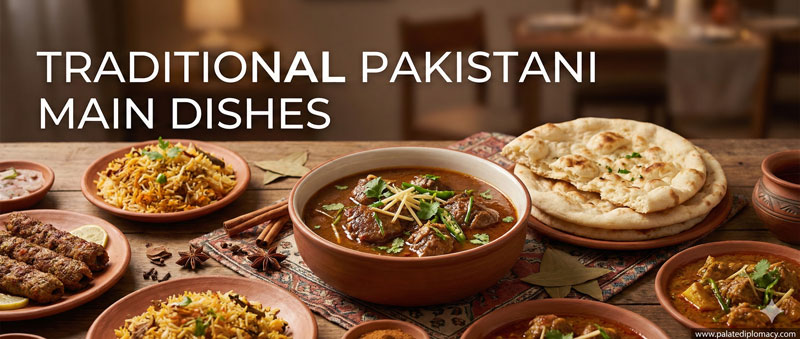
A Warm Welcome to Nihari: A Dish of Slow Fire and Shared Mornings
Nihari is more than a meal. It is a respectful invitation to slow, attentive eating. A pot simmers through the night, releasing a deep, glossy gravy and tender meat. The aroma travels through kitchens and streets. Locals begin the day with this comforting dish, and visitors quickly feel the warmth of a community that loves its food. With every bite, you sense a tradition built on patience, craft, and shared flavors. This guide celebrates Nihari’s cultural value and its culinary significance, helping you enjoy it Like a local.
What Nihari Means in the Culinary Landscape
Nihari is a slow-simmered stew that centers on depth and balance. The dish usually features beef or lamb, sometimes with bone marrow, cooked until the meat is melt-in-your-mouth tender. The gravy is thick, aromatic, and richly seasoned, yet it carries a bright clean finish from fresh herbs and citrus. The spice blend—garam spices, ginger, garlic, and a careful touch of chili—creates a harmony that feels both robust and refined. Nihari showcases technique: long, gentle simmering; careful skimming; and a final tuning of salt and heat. In a city kitchen or a street stall, this patience translates into a dish that tastes warm, grounded, and alive with aroma.
Morning Rituals and Social Flavor
Across many neighborhoods, Nihari marks the start of a new day. The morning air fills with a scent that signals welcome and togetherness. People gather at family tables or bustling eateries, sharing a slow meal before daily routines begin in earnest. The dish pairs naturally with hot naan or Kulcha, sliced onions, lemon wedges, green chilies, and fresh coriander. A small cup of chai or milk tea often accompanies the feast, offering a gentle counterpoint to the spices. The ritual is calm and unhurried, inviting conversation, compliments, and a sense of belonging. When you dine this way, you participate in a morning tradition that cherishes time, craft, and communal joy.
The Heart of the Pot: Core Ingredients and Craft
Nihari relies on a precise balance of ingredients and technique. The base typically includes chunks of meat with marrow, slow-cooked until the connective tissue melts and flavors release fully. The spice mix—often a blend of coriander, cumin, fennel, cardamom, and cloves—lends warmth without overpowering the meat’s natural flavor. Ginger and garlic provide a bright pungency, while onions contribute sweetness and depth. Tomatoes or a small amount of tomato paste can add body, though some families prefer a leaner gravy. Salt is adjusted toward the end, when the gravy has found its perfect breadth. The finishing touch regularly involves a handful of chopped fresh herbs and a squeeze of lemon to brighten the dish just before serving. The result is a stew that feels luxurious yet wholly approachable, built on patience and attentive cooking.
How to Eat Nihari Like a Local
To savor Nihari as locals do, start with the basics. Choose a serving size you can enjoy without rushing. Ask for the gravy to be matched to your preference—some like extra gravy for dipping, others prefer a thicker, meat-forward bite. Tear pieces of hot naan into the bowl and scoop the meat with its saucy coating. Add thin slices of fresh ginger, onion, and a squeeze of lemon to awaken the flavors. A few green chilies and a scatter of chopped cilantro can lift the aroma and bring brightness. Sip the broth between bites to reset the palate. The rhythm is simple: breathe, savor, share, and repeat. By following these steps, you experience the dish as a local might, with attention to texture, heat, and aroma.
Regional Variations and Shared Traditions
Nihari in different cities reveals subtle regional preferences while preserving a common spirit. In Lahore, the gravy often feels velvety and deeply spiced, with a strong meat presence and a glossy sheen. Karachi versions may lean toward bolder heat and a slightly lighter finish, reflecting the city’s vibrant spice palate. Lucknow brings a refined touch, sometimes balancing complexity with a smoother, nuanced gravy and delicate aromatics. Across these places, the same method—long simmering, careful seasoning, and a respect for the meat’s tenderness—binds the dishes. The variations celebrate local tastes while honoring a shared tradition of starting the day with something comforting, nourishing, and truly flavorful.
Accompaniments: Breads, Garnishes, and Beverages
The experience of Nihari is enhanced by thoughtful accompaniments. Hot naan or Kulcha is ideal for gathering up the rich gravy and tender meat. Onions lightly pickled with a touch of lemon provide crisp contrast. Lemon wedges, fresh coriander, and julienned ginger give brightness and color to the plate. Green chilies offer a gentle kick for those who enjoy a bit of heat. Yogurt or a mild raita can balance the spices, especially on cooler mornings. A cup of chai or a glass of lassi complements the meal by offering a contrasting cool or creamy note. Together, these elements Create a complete, multisensory experience that underscored community and care.
A Practical Guide: Sourcing, Ordering, and Savoring
When you seek Nihari, let quality guide your choice. Look for places with a steady line of locals who arrive early and linger over their meals—this is often a sign of an established Nihari tradition. Note the aroma, color, and consistency of the gravy as you approach the counter or table. If you are new, begin with a modest portion to learn the balance between meat and sauce. Ask for advice on spice level and whether extra gravy is available. Observe how the dish is served and how the bread is fresh. Most importantly, give yourself time to enjoy the process and the company around you. Nihari rewards patience, curiosity, and respect for the craft.
Nihari at Home: Bringing the Experience Home
You can carry the essence of Nihari into your own kitchen with thoughtful planning. Start with a good cut of meat and a well-balanced spice blend. If you don’t have a traditional Nihari masala, a reliable store mix can work well as a foundation; adjust with fresh garlic, ginger, and coriander to taste. Plan for a long simmer, testing tenderness and sauce thickness as you go. Keep the bread warm and ready for a dipping session, and prepare your garnishes in advance so you can finish the dish with a flourish. Home cooking invites you to slow down, respect the process, and share a plate that carries the warmth of many kitchens.
The Shared Spirit of Nihari
Nihari stands as a cherished expression of food culture. It speaks of patience, skill, and generosity. Each bite carries memories of morning routines, the bustle of markets, and the quiet joy of feeding others. Whether enjoyed at a bustling stall or a quiet home table, Nihari invites conversation and connection. It is a dish that travels well in the heart, even when it stays in the same city. By exploring its flavors, learning its techniques, and savoring its textures, you participate in a living culinary tradition. If you ever get a chance, try Nihari with friends or family and let the experience unfold one warm, delicious moment at a time.