
A Complete Guide to Enjoying Paya Like a Local
Paya is a warm, comforting broth built from tender trotters. The slow simmer releases rich gelatin and a honeyed depth that lingers on the palate. In many kitchens and markets, paying attention to its aroma feels like greeting a familiar old friend. The dish carries a quiet dignity, celebrating patience, skill, and shared meals.
What Paya Is
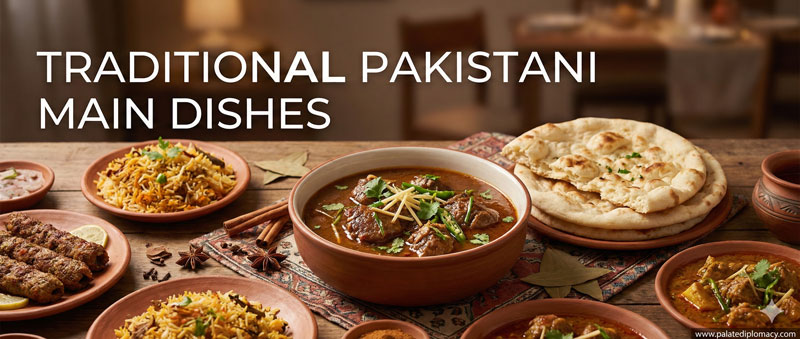
Paya is a traditional trotters dish. It blends bones, meat, and long, gentle simmering to create a clear, glossy broth. The focus is on balance: aromatic spices, bright citrus, and a touch of heat harmonize with the savory meat. The result is both nourishing and refined, yet simple enough to feel homely. This dish invites slow savoring and careful tasting, a daily ritual for many families.
The Craft Behind Paya
The heart of paya lies in its technique and ingredients. Key elements include trotters and bones, which release rich collagen as they cook. The spice mix typically features ginger, garlic, onions, black pepper, cumin, coriander, and a warm kiss of cinnamon or cardamom. Bay leaves and cloves add depth, while garam masala adds a final, fragrant lift. Fresh cilantro, lemon or lime juice, and green chilies wake the broth just before serving. Finally, the dish shines when paired with bread such as naan or kulcha, or with steamed basmati rice. Each component matters, yet the true magic comes from patience: hours of slow heat, gentle skimming, and careful tasting.
The Cultural Moment: When and Where Paya Shines
Paya gathers people for morning rituals, weekend feasts, and festive celebrations. It travels from home kitchens to bustling street stalls, carrying a sense of welcome and hospitality. The aroma signals a moment of pause: a family sharing stories, friends greeting one another, neighbors stopping by for a bowl. In many places, paya is the dish that starts a day with warmth, comfort, and connection. Its presence in markets and homes alike shows how a single pot can nurture community, memory, and a quiet sense of place.
How to Eat Paya Like a Local
First, sip the broth to appreciate its clarity and spice balance. Next, lift a piece of tender meat with a spoon and savor its succulence. Then, tear bread into fragments and dip them into the glossy broth, letting the flavors mingle. Add a squeeze of lemon and a pinch of chopped cilantro for brightness. A small dish of green chilies or chili paste can offer a gentle kick, if you enjoy heat. Finally, pair the meal with a hot cup of tea or chai to complement the savoriness. The experience is as much about pace and sharing as it is about flavor.
Regional Notes: Variations Across Cities
In Punjab’s heartland, paya often leans into bold spice and a robust, comforting broth. In North Indian cities, the balance might tilt toward a brighter finish with citrus and a touch of garam masala. Dhaka and other parts of Bangladesh bring their own brightness, with fresh herbs and a lighter, crisp finish. Across regions, the preparation emphasizes the same virtues: slow cooking, careful seasoning, and a respect for the ingredients. Each place adds its own signature touch, making paya a dish that feels both familiar and distinct.
Pairings and Etiquette
Serve paya with bread, rice, or a light flatbread so the broth can be enjoyed fully. Fresh herbs and citrus brighten the pot, while a side of hot chai enhances the experience. Share the meal with others, using the same utensils or spoons to reinforce the sense of community. Clean cucumbers, mint, or a simple salad can provide a refreshing counterpoint to the richness of the broth. The key is to approach the dish with patience, gratitude, and a readiness to savor every comforting note.
A Simple At-Home Experience
If you want to bring paya into your kitchen, begin with preparation and planning. Soak trotters and bones, then rinse well. Simmer on low heat for several hours, skimming occasionally to keep the broth clear. Add aromatics: onion, ginger, garlic, peppercorns, cumin, coriander, and a cinnamon stick or cardamom pods. Towards the end, stir in garam masala and fresh herbs, then finish with lemon juice. Serve hot, with bread or rice, and enjoy the ritual of slow cooking and shared eating. The result is a dish you can tailor to your own taste while preserving its authentic spirit.
Closing Thought
Paya invites us to slow down, listen to the simmer, and welcome others to the table. It embodies care, craft, and regional pride in a single, satisfying bowl. By exploring its flavors and rituals, you discover more than a meal—you discover a living thread in the tapestry of Food Culture. Enjoy paya Like a local, with respect, curiosity, and a sense of community that makes every bite meaningful.