
A Complete Guide to Enjoying Zilzil Tibs Like a Local
Zilzil tibs is more than a dish. It is a doorway into a warm kitchen, lively table, and shared stories. The name itself invites you to listen for the sizzling sound as meat meets a hot pan. In many homes, zilzil tibs centers the meal, inviting everyone to gather, share, and savor. This guide explores its cultural value and culinary significance with a welcoming, respectful tone. You will learn how locals think about, prepare, and enjoy zilzil tibs as part of everyday life and celebrations.
What is Zilzil Tibs?
Zilzil tibs is a sizzling meat dish, most commonly made with beef or lamb. Small pieces meet a hot pan quickly, forming a crisp exterior while staying tender inside. Onions, garlic, and peppers join the meat for color, aroma, and warmth. A touch of berbere spice adds depth and heat, while clarified butter or a neutral oil carries the flavors. The result is a dish that glows with color and hums with aroma. It is often finished with fresh herbs for brightness. Yogurt, lime, or fresh tomatoes can appear in some homes, adding tang and balance. Yet the core remains simple, bold, and easily shared.
The Flavor Profile and Texture
First, the aroma opens the senses. The sizzle releases a savory perfume that pulls people toward the table. Second, the meat develops a caramelized edge, offering a savory crunch. Third, onions soften and sweeten, creating a layered palate. Berbere brings warmth and complexity, without overwhelming the meat. The peppers provide a peppery bite and color that makes the dish feel lively. Finally, a finish of fresh herbs leaves a clean note that invites another bite. The texture harmonizes: crisp edges, juicy centers, and tender onions. This balance is central to the dish’s appeal.
The Cooking Technique as Cultural Practice
Next, the technique reflects practical wisdom and shared knowledge. A hot pan is essential. In many homes, a sturdy skillet or cast-iron pan is heated until it shimmers, ready for quick searing. The meat is added in batches to preserve a strong sizzle. This preserves flavor and texture, a small detail with a big impact. Butter or oil carries spices and aromas, producing a glossy, inviting surface. The process emphasizes timing, eye contact with the pan, and careful stirring. These moments turn cooking into a small ceremony that families practice together.
The Social Table: How Zilzil Tibs Fits In
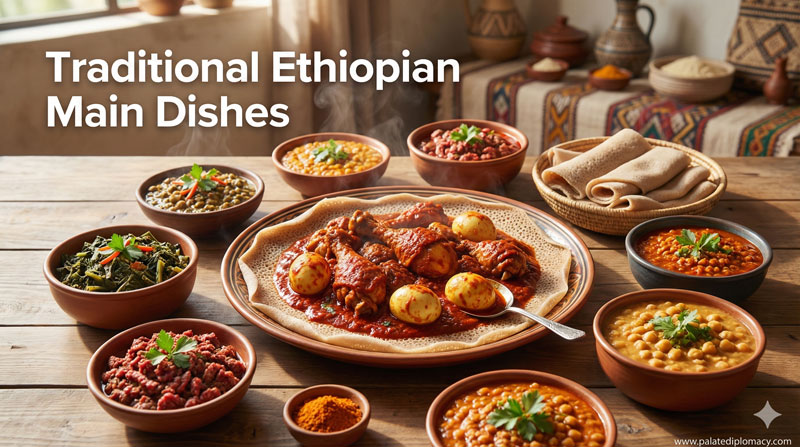
Moreover, zilzil tibs often appears on a communal table. It sits beside injera, the soft sour flatbread that acts as both utensil and vessel. Diners tear pieces of injera and use them to scoop the meat, onions, and sauce. This shared method deepens connection and eyes-on interaction. The dish also travels among friends and neighbors, traveling from kitchen to table with a simple, comforting rhythm. The act of sharing creates a sense of belonging, a quiet celebration of togetherness.
Regional Looks and Personal Touches
In different towns and households, zilzil tibs carries unique touches. Some families add green chilies for extra zing; others favor a milder balance with garlic and ginger notes. Some cooks streak the meat with paprika for a brighter red hue. Yet the heart remains the same: fast-cooked meat, vibrant vegetables, and bold seasoning that speaks of home. This flexibility makes the dish accessible, inviting experimentation while maintaining its core identity. It is a living tradition, evolving with the people who cook it and the moments around the table.
Serving and Pairing: A Complete Experience
To enjoy zilzil tibs Like a local, place the sizzling skillet at the center of the table. Surround it with injera, fresh herbs, and small bowls of sauces or salads. The bread invites a gentle, hands-on approach to tasting. A cool yogurt sauce or a squeeze of lemon can brighten the plate just before the final bite. Classic beverage pairings might include traditional teas, light beers, or a simple, refreshing sparkling drink. The aim is balance: heat and brightness, richness and freshness, all in harmony with the table’s rhythm.
Etiquette and Enjoyment: Savoring Like a Local
First, take a moment to breathe in the aroma before touching the food. It invites patience and appreciation. Next, use injera to scoop a portion, letting the bread carry the sauce as you eat. Speak softly and share small bites with those around you. The joy comes from listening to others’ preferences and adjusting your plate accordingly. Finally, thank the cook with a smile or a compliment. This simple exchange reinforces the social warmth that surrounds zilzil tibs.
Regional Variations and Home-Come Adaptations
Across kitchens, you’ll hear different names for similar sizzling meat dishes. Yet zilzil tibs remains distinct through its emphasis on speed, aroma, and communal eating. Some cooks finish the dish with a final scatter of fresh herbs or a dollop of a tangy sauce. Others keep it closer to its root with minimal extras. The variations highlight how cultural practice adapts to local tastes while preserving the dish’s core appeal: a lively, shareable meal that invites conversation and connection.
Getting It Right at Home: Practical Tips
- Use a hot pan. A well-heated skillet makes the signature sizzle and crust.
- Keep the pieces small. Quick cooking seals juices and creates tender bites.
- Balance heat and aroma. Berbere adds warmth; adjust to your comfort level.
- Have injera ready at the table. It is not a side dish but a key utensil and partner.
- Finish with brightness. A squeeze of lime or a sprinkle of fresh herbs lifts the flavors.
- Cook in small batches. This preserves the sear and the overall texture.
A Gentle Close: The Beauty of Zilzil Tibs in Food Culture
Zilzil tibs embodies hospitality, craft, and joy. It celebrates the skill of turning simple ingredients into a centerpiece that invites sharing. The dish glows with color, aroma, and sound—the sizzling pan becoming a signal to gather. It honors traditions while welcoming personal touches, making it both timeless and intimate. When you enjoy zilzil tibs, you participate in a vivid moment of table life—a moment of warmth, conversation, and friendship. This is the lasting value of the dish: a culinary expression of belonging and care.
If you want to explore further, seek opportunities to taste zilzil tibs in different settings. Examine how the meat, onions, and berbere interact with injera. Notice How Families adjust the pace, how conversations flow, and how laughter rises with each bite. You will feel the same appreciation that locals bring to the table: reverence for tradition, curiosity for flavor, and gratitude for the shared experience.