
What Makes Escovitch Fish So Special in Caribbean Cuisine
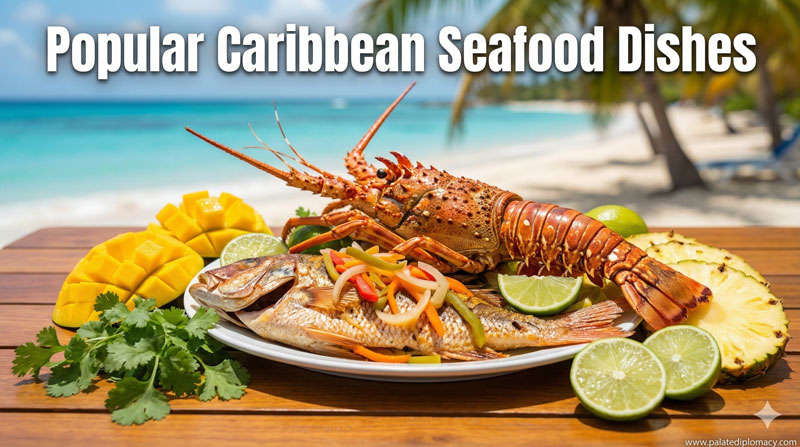
Escovitch fish lights up the plate with bright colors, crisp textures, and a lively balance of flavors. In Caribbean kitchens, it is more than a dish; it is a warm invitation to gather, share, and celebrate good food. A golden fried fish rests beneath a vivid escovitch sauce made from vinegar and pickled vegetables. The contrast between the crackling skin and the tangy, slightly spicy topping creates a memorable dining moment. The dish travels easily from street stalls to family tables, carrying a sense of pride in local ingredients and careful technique.
The Core Elements: Fish and Escovitch Sauce
The Heart of the dish is simple yet expressive. A firm, fresh fish—often snapper or grouper—receives a light fry to achieve a crisp exterior while staying moist inside. The escovitch sauce brings the color and crunch: onions, mixed peppers, and carrots share the pan with herbs like thyme and a touch of garlic. Vinegar provides brightness, sometimes sweetened with a hint of sugar, and a dash of scotch bonnet or another pepper adds gentle heat. Some cooks finish with lime juice or a few pimento seeds to deepen the aroma. The result is a dish where tangy and spicy notes lift the natural sweetness of the fish.
Technique: From Fry to Finish
First, pat the fish dry and season it simply. Fry until the skin is crisp and the flesh remains tender. Meanwhile, sauté onions, peppers, and carrots briefly to release their fragrances. Deglaze with vinegar, then simmer just enough to blend the flavors. The hot, crisp fish is then dressed with the escovitch sauce, or the sauce is spooned over the fish at the table. The quick pickling style preserves a fresh bite in the vegetables while letting the acidity brighten every bite. The technique rewards balance: too much salt or heat can overwhelm the fish; the best versions find harmony among tangy, hot, and sweet notes.
Cultural Value: Sharing Time and Place
Escovitch fish embodies hospitality and joy. It often appears at family meals, weekend gatherings, and bustling market stalls. The dish invites conversation, as cooks explain their tweaks and families compare pepper levels and sauce depth. Its appeal lies in inclusivity: a single plate can please someone who loves heat and another who prefers milder flavors. The aroma—garlic, vinegar, layered vegetables—signals welcome. Through its color and aroma, escovitch fish communicates care, generosity, and a sense of place grounded in local markets and seasonal produce.
Regional Variations and Pairings
Across the Caribbean, cooks adapt the recipe to regional tastes. Jamaica might emphasize a robust pepper note and a crisp skin, while Barbados may lean toward a slightly sweeter escovitch brine. Trinidad and Tobago offer their own herb accents and pepper choices, keeping the dish bright and vivid. In many places, escovitch fish arrives with sides like rice and peas, fried dumplings, bammy, or festival. A cool drink or a fruity juice often accompanies the meal, balancing heat with refreshing sweetness. Each island adds its own twist, yet the core idea remains the same: a fried fish crowned with a bright, tangy topping.
How to Appreciate This Dish at Home
Begin with a fresh fish of good size and a firm texture. Aim for a crisp exterior and moist interior. Build the escovitch sauce with a quick sauté of onions, peppers, and carrots, then add vinegar and a touch of sugar. Let the sauce mingle with the vegetables for a few minutes. Place the hot fish on a platter and spoon or pour the sauce over it. Serve with a starchy side and a cool drink. Notice how the sauce accents the fish without overpowering it, and how the plate comes alive with color and aroma.
Final Note
Escovitch fish stands as a vibrant example of Caribbean culinary artistry. It blends technique, seasonal produce, and generous hospitality into a single, joyful dish. Its appeal lies in its freshness, balance, and the shared experience around the table. Whether enjoyed at a bustling market, a family kitchen, or a seaside cafe, escovitch fish remains a beloved expression of Caribbean flavor and culture.