
Introduction
Escovitch fish stands out in Caribbean cuisine for its bright balance of textures and flavors. This dish blends a crisp fried fish with a lively, vinegary kick and a colorful veggie crown. It is a celebration of freshness, skill, and everyday joy. The method highlights the beauty of simple ingredients working in harmony. The result feels both comforting and exciting, a dish many families return to with delight.
What Escovitch Fish Is
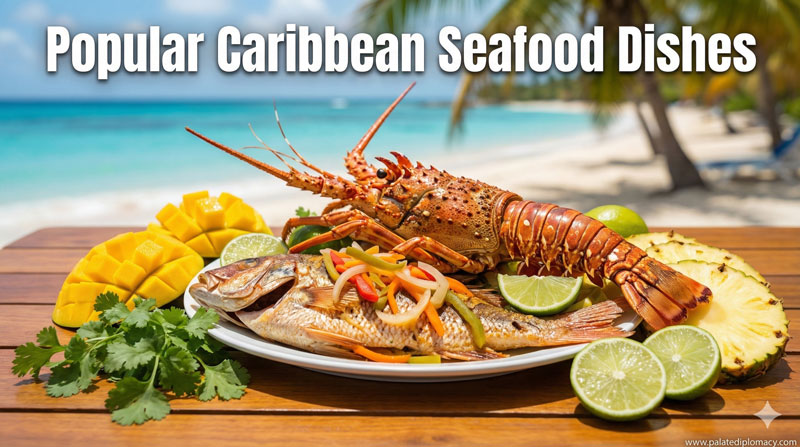
Escovitch fish is a fried fish topped with a spiced, pickled vegetable sauce. The fish is cooked until the skin is crisp and the flesh stays tender. The topping is quick to prepare and deeply flavorful. It usually features onions, carrots, and peppers, all sliced thin. Garlic and pimento (allspice) add warmth. A sharp vinegar-based brine brings brightness and a hop of heat. The combination creates a lively contrast: hot, sour, crunchy, and fragrant all at once.
The Flavor Profile and Technique
The dish shines because of its dynamic balance. The crisp fish provides a clean canvas for the tangy topping. The vinegar cuts through the richness, while the peppers deliver heat. Carrots and onions add sweetness and crunch. The quick pickle method preserves color and texture, so the topping feels fresh rather than heavy. The technique is straightforward, but the result feels sophisticated. The dish invites you to taste layers at every bite.
Cultural Value in Caribbean Cuisine
Escovitch fish is more than a tasty meal; it carries a sense of place and craft. It highlights the care that goes into everyday cooking. In markets and homes, cooks choose ripe peppers, bright onions, and fresh fish to create a dish that feels celebratory, even on a regular day. The dish travels well from home kitchens to street counters, where it captures the eyes and noses of passersby. It embodies the Caribbean love for bright, balanced flavors and for meals that are prepared with attention and pride. The preparation invites conversations about technique, timing, and the joy of sharing food with others.
Regional Variations
Across the Caribbean, chefs and home cooks adapt escovitch to local palates. In Jamaica, you might find a touch more scotch bonnet heat, with a punchy, aromatic finish from allspice. In Barbados, sweeter peppers and a slightly milder tang can appear, offering a gentler contrast to the fried fish. Trinidad and Tobago often bring a robust, garlicky note to the topping, with a lively pepper presence. Each variation preserves the core idea — a crisp fish crowned with a bright, pickled topping — while reflecting regional tastes and seasonal produce. These small differences reveal how a single dish can travel and thrive in many kitchens, always feeling familiar and fresh.
Serving and Pairings
Escovitch fish shines as a centerpiece in a bright, approachable meal. Serve it with starchy sides that soak up the sauce, such as fried dumplings, yam, or boiled plantains. It also pairs well with rice and peas or a simple coconut rice for a mellow backdrop. A fresh salad with citrus can brighten the plate. For drinks, a cool, fruity juice or a light herbal tea complements the tangy, spicy notes. The dish is versatile enough for casual lunches or festive dinners, making It a reliable crowd-pleaser in many settings.
Food Adventure and Craft
Each cook brings a personal touch to escovitch fish. Freshness, timing, and balance matter most. The fish should be cooked just right for tenderness and crispness. The vegetables should stay crisp enough to give texture without turning mushy. The brine should be sharp enough to lift flavors without overpowering them. This attention to detail demonstrates culinary care and a love of traditional technique. The result is a dish that feels both timeless and contemporary, inviting experimentation with peppers, vinegars, and garnish ideas.
Everyday Traditions and Special Occasions
Escovitch fish fits naturally into everyday meals and special occasions alike. It can be a weekend treat or a dish to serve when guests arrive. The bright colors and lively aroma make it an instant talking point at the table. The preparation often becomes a shared activity, with family members contributing sauces, toppings, or a side dish. This shared experience reinforces social bonds and a sense of hospitality, both hallmarks of Caribbean Food Culture.
Tips for Making It Your Own
- Choose firm, fresh fish with bright eyes and firm flesh for crisp results.
- Dry the fish well before frying to enhance crunch.
- Use a clean, hot oil temperature to avoid soggy crusts.
- Slice vegetables thinly for a quick, even pickling effect.
- Balance the vinegar with a touch of sugar or fruit juice if you prefer a milder tang.
- Adjust heat with peppers to match your preferred spice level.
- Layer flavors by adding a pinch of salt to the vegetable mix after pickling.
Conclusion
Escovitch fish is a shining example of Caribbean culinary artistry. It takes simple, fresh ingredients and turns them into a dish that feels celebratory and comforting at the same time. The crisp fried fish paired with a bright, vinegary topping showcases a thoughtful balance of textures and flavors. Through regional twists and shared kitchens, the dish remains a beloved expression of taste, craft, and hospitality in Caribbean cuisine. Whether enjoyed at a street stall or a home table, escovitch fish invites everyone to savor the beauty of well-made food and the warmth of a welcoming culture.