
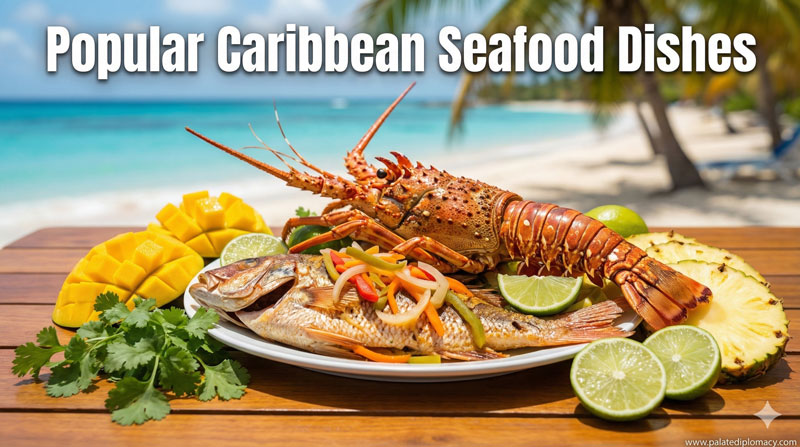
What is Escovitch Fish?
Escovitch fish is a bright, celebratory dish that brings together a crisp fried fish with a lively, vinegary topping. The fish is usually a sturdy fillet or whole snapper that’s seasoned, lightly floured, and fried until the skin shimmers with crunch. The topping is a quick pickled vegetable medley, typically featuring carrots, onions, peppers, and a touch of hot pepper. The tangy vinegar, aromatic spices, and a hint of sweetness wake up the flavors and invite conversation around the table. The result is a dish that looks as joyful as it tastes, inviting friends and family to share in a moment of warmth and good mood.
The Craft Behind Escovitch Fish
First, select a firm fish, such as snapper or kingfish, and pat it dry. Then season lightly and fry until the exterior is crisp and the inside remains moist. Meanwhile, prepare the escovitch topping. Slice carrots, onions, and peppers into thin, colorful strips. In a warm pan, simmer a simple brine of vinegar, a touch of sugar, salt, and spices like allspice or bay leaf. Add the vegetables to the hot brine just long enough to soften them slightly while keeping their color and crunch. The final step is to crown the hot, crispy fish with the vibrant pickled vegetables. The contrast between the warm fish and the zesty vegetables is the Heart of the dish, delivering a refreshing lift with each bite.
Cultural Value in Caribbean Cooking
Escovitch fish is more than a recipe; it is a thread in the fabric of Caribbean Food Culture. It appears at family dinners, weekend gatherings, and informal street stalls, where aroma and color attract curious noses. The dish embodies hospitality: it welcomes guests to sample a plate that is as expressive as a conversation. The bright colors from the vegetables mirror the lively music and joyful conversations that often accompany a shared meal. In many households, the dish is a familiar treasure passed down through generations, with each family adding its own tiny touch—slightly different spice notes, a preferred balance of tart and sweet, or a longer pickling moment. This personal touch keeps the dish rooted in daily life while also elevating it for special occasions.
Regional Flavors and Variations
Across the Caribbean, variations of escovitch fish reflect local produce and tastes. In Jamaica, the dish commonly features a crisp fried fish crowned with a carrot-onion-pepper mix, seasoned with a hint of scotch bonnet for warmth. Some cooks add a dash of pimento or allspice to the brine for a subtly aromatic backbone. In other Caribbean settings, peppers may vary in heat level or use milder peppers to suit different palates, while the pickling method remains a quick, bright finish. Regardless of small adjustments, the core idea stays the same: a hot, crunchy fish paired with a lively, vinegar-forward vegetable topping. This shared structure helps the dish travel gracefully from home kitchen to market stall, preserving its essence while inviting local twists.
Serving and Pairings
Escovitch fish shines when plated with simple, comforting sides. White rice or rice and peas provides a gentle base that lets the tangy and spicy notes of the topping stand out. Plantains, fried or baked, add a caramel sweetness that harmonizes with the vinegar brightness. In Jamaica and neighboring islands, bammy or festival cornmeal breads can also accompany the dish for added texture. A squeeze of lime over the top brightens the dish further and encourages a fresh finish. The serving style is approachable: a vibrant plate that sparks appetite and conversation alike.
Cooking at Home: Practical Tips
To bring escovitch fish to your table with confidence, keep a few practical ideas in mind:
– Choose fresh, firm fish for best texture and flavor. Pat dry to help the crust form.
– For extra crunch, give the fish a light double fry: first to cook through, then a brief second fry to crisp the skin.
– Balance is key. Start with a bright vinegar brine and adjust with a touch of sugar to taste.
– Handle hot peppers with care. If you prefer milder heat, wear gloves or use a milder pepper while preparing.
– Let the vegetables soak briefly in the brine to soften and mingle flavors, but avoid over-soaking if you want crisp vegetables.
– Chill the pickled topping before serving to enhance tartness and sharpen the overall flavor profile.
– A small pinch of salt at the end can help unify the flavors on the plate.
A Dish for Sharing and Craft
Escovitch fish invites a shared experience. The process of frying the fish, preparing the bright topping, and setting a plate down on the table creates a moment of conversation and collaboration. When guests ask about the dish, it becomes a story—about color, fragrance, and the way a simple mix of vegetables and vinegar can elevate a piece of seafood. The dish also serves as a reminder of culinary craft: careful knife work, precise timing, and balancing bold flavors require attention and care. This attention shows in every bite and in the smiles around the table.
A Closing Note on Its Place in Food Culture
Escovitch fish stands as a testament to how flavor, texture, and color can celebrate everyday meals and formal gatherings alike. Its bright, crisp fish and lively topping offer a sensory snapshot of Caribbean cookery: practical techniques, fresh ingredients, and a spirit of openness to shared pleasure. Whether enjoyed at a bustling market stall, a family kitchen, or a festive feast, the dish remains a welcoming symbol of hospitality and culinary artistry. If you approach it with curiosity and respect, escovitch fish reveals how simple elements can come together to create something memorable, comforting, and wonderfully inviting.