
Discover the Rich Flavors of Minchet Abish
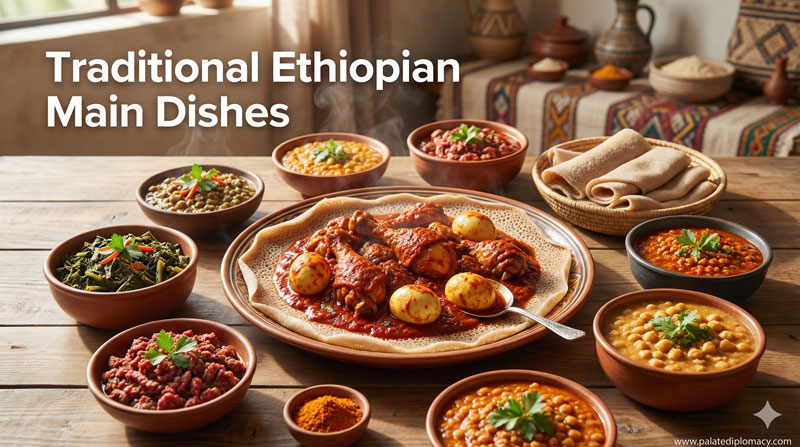
Minchet Abish is a beloved Ethiopian dish that invites you to slow down and savor. This dish blends tender minced meat with a fragrant sauce, woven from spices, aromatics, and butter. The result is a warm, comforting bowl that shines when paired with soft injera, the sour flatbread that so often accompanies Ethiopian meals. Each bite reveals a balance of savory depth and bright notes, making Minchet Abish feel both familiar and distinct. It stands as a testament to how simple ingredients can become a celebration of flavor, technique, and shared eating.
A Dish Rooted in Ethiopian Culinary Tradition
In Ethiopian kitchens, Minchet Abish is more than a recipe; it is a moment of togetherness. Families prepare it for everyday meals and for gatherings that bring relatives and friends to the table. The dish reflects a culture that prioritizes hospitality, generosity, and the joy of sharing food. The preparation often begins with a well-seasoned base of onions and garlic, then builds with minced meat and a careful blend of spices. Slow simmering unlocks depth, allowing the meat to mingle with the sauce until the flavors feel integrated and warm. This is how Minchet Abish honors daily life and ceremonial meals alike, turning dining into a small ritual of care.
Core Techniques and Ingredients
Minchet Abish centers on the technique of gentle, long simmering. The minced meat creates a textured, hearty foundation, while onions and garlic release sweetness and depth. A balanced spice blend enlivens the dish without overpowering it; in many homes, berbere provides its characteristic warmth and complexity. A touch of butter or niter kibbeh—spiced clarified butter—adds a velvety richness that carries the spices across the palate. Tomatoes or tomato paste may contribute brightness, and fresh herbs finish the sauce with a hint of freshness. The result is a sauce that clings to each piece of meat, inviting spoonful after spoonful.
The Flavor Palette: Berbere, Niter Kibbeh, and Fresh Herbs
The flavor profile of Minchet Abish is warm and inviting. Berbere brings a respectful kick of heat and a constellation of peppery, smoky notes. Niter kibbeh adds a subtle, aromatic luxury, its cloves, cardamom, and other spices lingering in the air. Fresh herbs—such as cilantro or parsley—provide a final lift, balancing the richness with brightness. The overall effect is a dance of comfort and character: a dish that satisfies with its depth yet feels bright and uplifting at the table. This harmony is a hallmark of Ethiopian cooking, and Minchet Abish uses it to tell a clear, delicious story.
Minchet Abish at the Table: Serving and Pairings
Traditionally, Minchet Abish is served with injera, so diners can scoop up generous portions without utensils. The interplay between the soft, spongy injera and the saucy meat creates a satisfying contrast in texture. Side dishes may include simple salads, lentil stews, or fresh tomato, onion, and chili mixes that cleanse the palate between bites. A cup of Ethiopian coffee can follow the meal, offering a fragrant conclude to the dining experience. The serving style emphasizes ease, warmth, and sharing, turning a meal into a moment of communal pleasure.
Hospitality, Sharing, and Community
Hospitality shines through in every plate of Minchet Abish. The dish invites everyone at the table to participate in the act of eating. The shared nature of injera fosters conversation and connection, while the aromatic steam from the pot signals welcome and care. In homes and markets alike, Minchet Abish becomes a bridge between generations, a way to pass down simple techniques and a love for balanced flavors. This sense of community is a defining feature of the dish’s cultural value, offering a sensory memory of warmth, generosity, and belonging.
A Living Tradition in Modern Kitchens
Today, Minchet Abish thrives in both traditional and contemporary kitchens. Home cooks honor recipe basics—minced meat, onions, spices, and butter—while chefs may explore regional spice variations or lighter preparations. Yet the charm endures: a dish that respects its roots while inviting new interpretations. Whether simmered in a Clay Pot at a family gathering or plated with a Modern Presentation, Minchet Abish remains a clear emblem of Ethiopian Cuisine—rich in history, generous in spirit, and endlessly approachable in flavor.
Conclusion: A Timeless Favorite
Minchet Abish offers more than sustenance; it offers culture, craft, and connection. Its careful balance of meat, spice, and silky sauce celebrates the flavors of Ethiopian cooking and the joy of sharing a meal with others. In every bite, you taste history, hospitality, and the beauty of a well-made dish. This is Minchet Abish: inviting, respectful, and a true heart of the dining table.