
Discover the Rich Flavors of Firfir
Firfir is a dish that invites curiosity and celebration in every bite. It blends texture, aroma, and bright spice into a meal that feels warm and welcoming. This dish stands out for its simplicity and for the way it honors everyday cooking. It is a staple that many households prepare with care, turning familiar ingredients into something new and comforting.
What Firfir Is
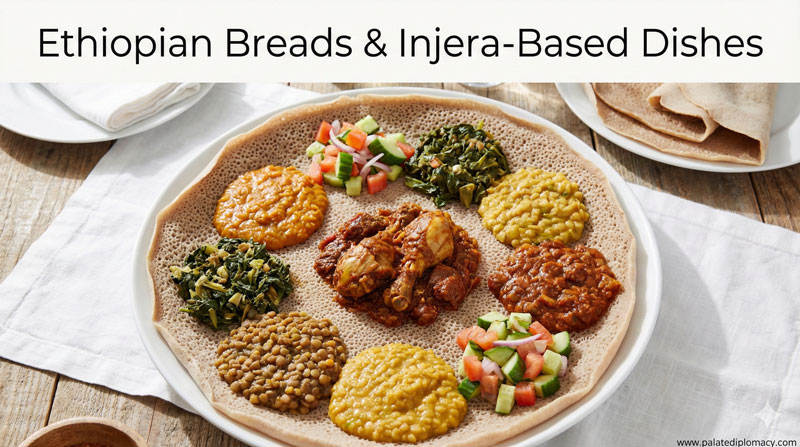
Firfir is made by tearing pieces of injera, the sour Ethiopian flatbread, and warming them with a bold, spiced sauce. The injera soaks up flavors as it cooks, creating a lively, cohesive bite. Berbere spices, onions, garlic, and sometimes tomatoes form the core of the sauce, while a touch of niter kibbeh or plain butter adds depth. Some cooks enrich firfir with eggs or small morsels of meat, but the essence remains the same: a pan of fragrant, textured goodness built from simple ingredients.
The Core Ingredients
At its heart, firfir centers on injera. The softened bread gives soft-tirmed pieces a satisfying chew. Berbere brings warmth and a bright kick, with cumin, coriander, chili, and other spices blending into a fragrant glow. Onions lend sweetness and depth, while garlic adds a crisp bite. Niter kibbeh—or a good butter—offers a silky, nutty finish. Optional additions such as tomatoes, eggs, or herbs can tailor the dish while keeping the core character intact.
The Technique Behind Firfir
The process is straightforward and respectful of the ingredients. Tear injera into small, bite-sized pieces. Warm a pan and melt butter or oil. Sauté onions until they are translucent, then add garlic and the berbere mix. Stir to release the spices’ aroma, then fold in the torn injera. Toss gently, letting the pieces soak up the sauce without turning mushy. If eggs or meat are used, they are added toward the end to remain tender and distinct. The result is a dish with a lively aroma, a bright surface, and a comforting heart.
Cultural Value and Everyday Life
Firfir shares a clear message about daily life: resourcefulness, care, and hospitality. It transforms yesterday’s injera into a fresh plate, turning a simple pantry into a satisfying meal. The dish is commonly enjoyed as a breakfast or late-morning dish, signaling a moment of warmth and connection in the day. Sharing firfir with family or friends opens conversations about meals, flavors, and memories, reinforcing a sense of belonging in the kitchen. The dish also reflects a culture that values balance—between spice and sourness, crisp edges and soft centers, quick preparation and mindful tasting.
Flavor, Texture, and Pairing
Firfir offers a bright, peppery warmth with a slightly tangy backdrop from the injera. The texture is a pleasing mix of chewy bread and saucy richness, with bits of onion and spice providing contrast. This harmony makes firfir versatile enough to pair with simple sides like fresh cheese, yogurt, or a light salad. A cup of coffee or a glass of tea complements the spice, enhancing the overall harmony of the meal.
Modern Variations and Accessibility
Today, firfir appears in many homes and small eateries with gentle adaptations. Some cooks add a soft scramble of eggs to create a heartier breakfast. Others drift toward a milder spice profile by adjusting berbere or using a milder spice blend. The core claim remains: firfir honors technique, texture, and bright flavors while staying accessible to home cooks. This makes it a welcoming entry point to Ethiopian flavors for curious diners and seasoned cooks alike.
Concluding Thoughts
Firfir celebrates everyday cooking with grace and vigor. Its combination of tradition, practicality, and joyful flavor makes it a dish worth savoring and sharing. When you taste firfir, you taste a moment of culture that invites conversation, warmth, and appreciation for the craft of turning simple ingredients into something memorable.