
Introduction
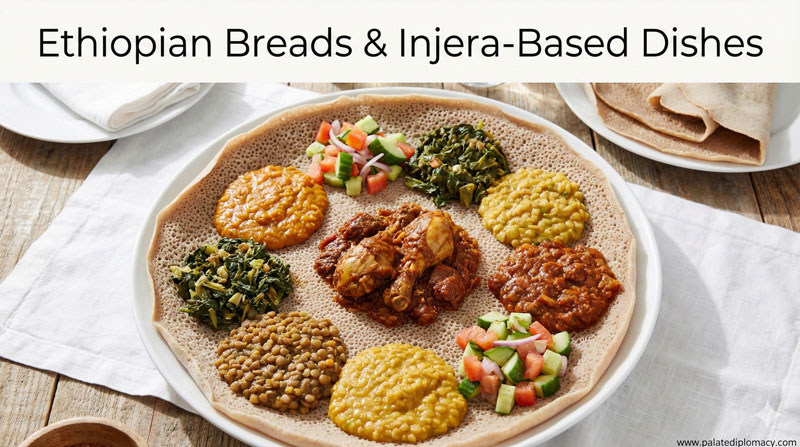
Firfir is a bright, inviting dish from Ethiopian Cuisine that shines in its simplicity and warmth. It turns everyday ingredients into a celebration of flavor and texture. In homes and small eateries, firfir offers a comforting welcome at the table and a gentle bridge between breakfast, lunch, and shared meals. The blend of nutty injera, spicy sauce, and fragrant butter invites curiosity and appreciation for everyday craft.
What Firfir Is
Firfir is injera torn into bite-sized pieces and rekindled with a sauce that clings to the bread. Typically, cooks sauté onions and garlic, then fold in berbere or a similar spice blend. A tomato base or a simple, bright tomato-tomato-free sauce adds depth. The result is a warm, cohesive mix where crispy edges meet tender, softened injera. Some cooks finish firfir with a touch of niter kibbeh, the spiced clarified butter that perfumes the dish. Variations may include eggs or a light meat sauce, but the essence remains the same: injera brought back to life with bold aroma and comforting heat.
The Core Ingredients and Technique
- Injera (the star ingredient) torn into pieces
- Onions and garlic for sweetness and aroma
- Berbere or a similar Ethiopian spice blend for heat and depth
- A tomato base or a simple sauté of onions for body
- Niter kibbeh or a neutral oil to carry flavor
- Optional additions: eggs or a meat-based sauce for variation
The technique centers on balancing texture and scent. Sauté onions until they glow, add garlic, then fold in berbere to bloom the spices. Add a tomato base if using, and simmer briefly. Finally, toss in the injera, letting the pieces soak up the sauce and crisp at the edges. The result is a dish with warm spice, a hint of sweetness, and comforting chew.
Cultural Value: Community and Tradition
Firfir carries a sense of home and shared life. It is common in households to prepare firfir as part of a family meal that welcomes everyone to the table. The dish embodies thrift and care, turning leftovers into something fresh and satisfying. Sharing firfir reinforces togetherness, as friends and relatives gather to enjoy the aroma and warmth. In this way, firfir becomes more than food; it is a ritual of hospitality, conversation, and memory. The act of tearing injera and mixing it into the sauce mirrors a cultural rhythm of hands-on cooking and mindful serving.
Culinary Significance: Texture, Aroma, and Skill
Texture matters in firfir. The soft, spongy injera contrasts with the crisped edges that form during frying. The spices wake the palate with a steady warmth, while the butter or oil carries aroma through the kitchen. Mastery lies in timing: onions must be just soft enough to sweeten, spices must bloom without bitterness, and the injera must soak, not become mush. When done well, firfir feels both humble and refined—a dish that respects basic ingredients while elevating them with technique and balance.
How It Is Made: A Simple Home Approach
- Gather ingredients and heat a skillet over medium.
- Sauté chopped onions until translucent and fragrant.
- Stir in minced garlic and the chosen spice blend; bloom the spices.
- Add a tomato base if using; simmer briefly to meld flavors.
- Fold in torn injera pieces; mix gently to coat each piece.
- Finish with a touch of niter kibbeh or oil for shine and aroma.
This approach yields a warm, cohesive dish ready to be shared. The process highlights patience and attention, two hallmarks of Ethiopian home cooking, and the result is a dish that feels both everyday and special.
Regional Expressions and Variations
- Some cooks add eggs, sweeping them into the hot mix for a hearty, protein-rich version.
- In certain regions, firfir is prepared with a lighter tomato base or a green herb note for freshness.
- Meat-based firfir variants exist, where small morsels of meat join the sauce before the injera is stirred in.
- Across kitchens, the level of heat and the exact spice blend can vary, creating a family or restaurant signature within a common framework.
Serving, Pairings, and Presentations
Firfir is typically enjoyed with more injera on the side, allowing diners to scoop or wrap bites as desired. It pairs well with mild stews and a cup of strong coffee to finish a meal. The dish invites a relaxed pace, where conversations mingle with aromas and the act of sharing food.
Firfir in Modern Kitchens
Today, many home cooks and chefs experiment with firfir to highlight fresh ingredients and seasonal spices. You can start with a classic base and then tailor the heat, the richness of the butter, or the texture of the injera to your preference. Restaurants may offer firfir as a comfort-forward dish that nods to tradition while embracing contemporary plating and technique. In both homes and eateries, firfir remains a versatile, welcoming dish that respects its roots while inviting new expressions.
Conclusion
Firfir stands as a testament to careful craft and communal joy. It invites cooks to honor humble ingredients, savor bold spices, and celebrate togetherness at the table. As a staple that bridges breakfast and lunch, firfir remains a beloved expression of Ethiopian food culture—delightful, fragrant, and endlessly inviting. If you are exploring Ethiopian flavors, firfir offers a warm welcome and a satisfying path to deeper culinary appreciation.