
The Story Behind Firfir
Firfir is a beloved Ethiopian dish that speaks to daily life and shared meals. The name invites us to think about tearing injera into bite-sized pieces and then lifting them with a spoon or hand. The result is a warm, fragrant mix that can be enjoyed any time of day. Firfir reveals how cooks honor simple ingredients, transform leftovers, and create something fresh from familiar flavors. It is a dish that gathers people around the table, inviting conversation and quiet reflection as the flavors unfold. The Story behind firfir is a story of hospitality, everyday craft, and the joy of a meal that feels both comforting and bright.
The Core Ingredients and Technique
The core ingredients are straightforward and inviting. Injera, a sourdough flatbread made from teff or a blend, provides the base. A fragrant sauce built from onions, garlic, and spices forms the heart of the dish. Berbere adds warmth and depth, while niter kibbeh or a neutral oil brings richness. Some cooks fold in tomatoes, peppers, or herbs for brightness. The technique is practical and expressive: heat the fat, sauté onions until they glow, stir in garlic and spices, then toss torn injera pieces into the pan and mix until coated. The mix should soak up the flavors, yet keep a slight bite. The result is a chewy, glossy mass with pockets of spice and soft pieces of injera that cling to the sauce. This is comfort food that also shows culinary patience and balance.
Firfir and Ethiopian Table Etiquette
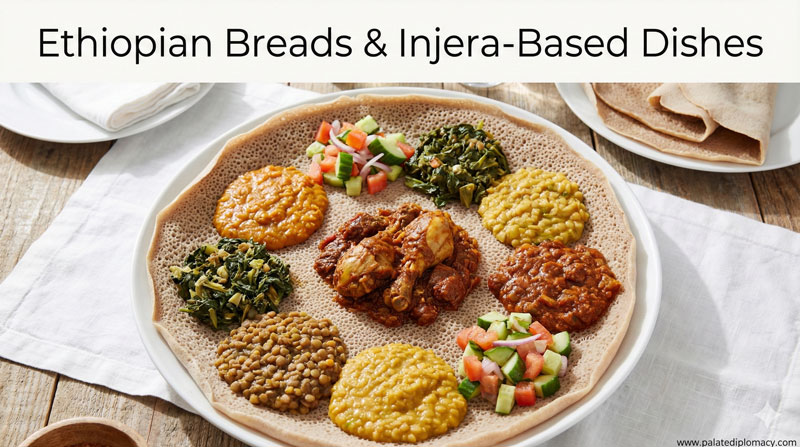
Firfir thrives on a spirit of sharing. It is often set on a single platter, inviting everyone at the table to tear and scoop. The injera itself acts as both plate and utensil, connecting diners to the meal in a tactile way. This fosters a sense of togetherness and attentiveness to one another’s pace and preferences. The dish shines with simple, respectful service: a steady rhythm of passing and pouring, a moment to savor aroma before tasting, and a quiet celebration of communal eating. In this setting, the food becomes more than sustenance; it becomes a small ceremony of care and friendship.
Variations Across Regions
Across regions, firfir adapts with available ingredients and local tastes. Some cooks emphasize a clean, onion-forward base, while others spice the mix more boldly with berbere. Meat versions introduce small shreds of beef or lamb, adding another texture layer without overshadowing the injera. Vegetarian firfir remains popular, letting vegetables and spices carry the flavor. The type of injera can also influence the dish, as teff-grown injera offers a distinct tang and texture. Yet the core idea remains the same: torn injera brought to life by a flavorful, simmered mixture.
Firfir as Morning Comfort
Many Families Enjoy firfir as a comforting morning dish. The gentle warmth of the spices pairs with the bright promise of a new day. A fried or soft-cooked egg on top can elevate the experience, signaling a nourishing start. The aroma of onions, garlic, and spice fills the kitchen, creating a welcoming space for conversation and planning. This morning ritual reminds us that a good meal can set a positive tone for the day, inviting curiosity and connection.
The Taste and Texture of Firfir
Firfir delights with a balance of tang and warmth. The sour note from injera contrasts with the spicy depth of berbere and the richness of fat. Each bite carries a soft chew from torn injera, crackling edges from toasting, and a coating of sauce that clings just enough. The texture plays with the senses: tender pieces, a little crisping, and a lingering spice that invites the next bite. The overall effect is both hearty and uplifting, a dish that respects tradition while inviting experimentation.
A Dish of Shared Moments
Ultimately, firfir celebrates everyday cooking as a form of care. It honors the home kitchen as a place where people connect, stories are shared, and flavors become memories. The dish stands as a quiet testament to craft, patience, and the joy of a well-balanced plate. Whether enjoyed with family at a bustling table or prepared for a quieter moment of personal satisfaction, firfir remains a favorite because it invites participation, warmth, and appreciation for the beauty of well-made food.