
The Story Behind Firfir
Firfir is a dish that invites you to slow down and savor a shared moment. It carries warmth, comfort, and a quiet pride in traditional cooking. The name itself hints at its lively personality: pieces of flatbread come alive in a pan with spices and aroma. Each bite tells a small story of home, morning kitchens, and the careful hand of a cook who treats ingredients with respect. in Ethiopian meals, firfir often marks a time to gather, eat, and reflect on the day ahead. It is a celebration of simple ingredients transformed by skill, patience, and love for good food.
What Firfir Is
Firfir is a versatile, comforting dish built on injera, the soft, sour flatbread that anchors Ethiopian cuisine. Tear the injera into bite-sized pieces, then sauté them with a bright mix of spices, onions, and tomatoes. The result is a pan-full of aroma and texture: a little chew from the injera, a gentle heat from spices, and a glossy finish from oil or clarified butter. Some versions mix in eggs, while others keep to vegetables and spice. In every version, firfir is about balance—soft bread meeting bold flavor, soft heat meeting bright acidity, all coming together on a single plate.
Ingredients That Speak
The core ingredients tell a clear, humble story. Injera provides the canvas—its tang and sponge-like texture hold flavors beautifully. Berbere, a blend of chili peppers, garlic, ginger, and warming spices, infuses the dish with warmth and complexity. Onions bring sweetness, while garlic adds depth. Tomatoes add brightness and moisture, helping the pieces sizzle and coat evenly. A small amount of oil or niter kibbeh (clarified butter) brings richness and a fragrant finish. Optional additions like green peppers or a touch of paprika can highlight regional flavor notes. Each ingredient speaks to a tradition that values freshness, aroma, and the art of layering flavors.
Techniques That Elevate Everyday Cooking
Firfir shines through technique as much as through ingredients. Start with a hot pan to awaken the spices and onions. Let the onions soften and caramelize slightly before adding tomatoes. Then fold in the torn injera pieces, tossing them with the sauce until they soak in the flavors. The result should feel cohesive, with saucy pieces clinging to the bread without becoming soggy. A final touch of oil or butter adds a gentle gloss and aroma. This method highlights careful timing, gentle heat, and steady attention—principles that define much of Ethiopian home cooking.
Cultural Value in Ethiopian Cuisine
Firfir embodies the family kitchen’s heart. It reflects how a nation values resourcefulness, seasonality, and shared meals. The dish is accessible, yet deeply satisfying, making it suitable for a casual breakfast or a hearty midday plate. It also demonstrates how Ethiopian cooks honor leftovers and transform them into something new and comforting. In this sense, firfir is more than a recipe; it is a tradition of care, memory, and hospitality passed from elder to younger cook in homes and small eateries. The dish invites conversation, smiles, and a shared moment around the table.
Regional Flavors and Everyday Variations
Different regions offer subtle twists that enrich firfir without changing its core identity. In some areas, a bit more berbere heightens warmth and peppery bite. In others, a touch of awaze—an spice paste with vinegar—brightens the mix. Egg variants add richness and a protein contrast that shifts the texture and pace of eating. Even the choice of injera thickness or sourness can alter the feel of the dish, from brisk and lively to smooth and comforting. These small differences ensure firfir remains dynamic while staying true to its roots.
The Craft of Serving Firfir
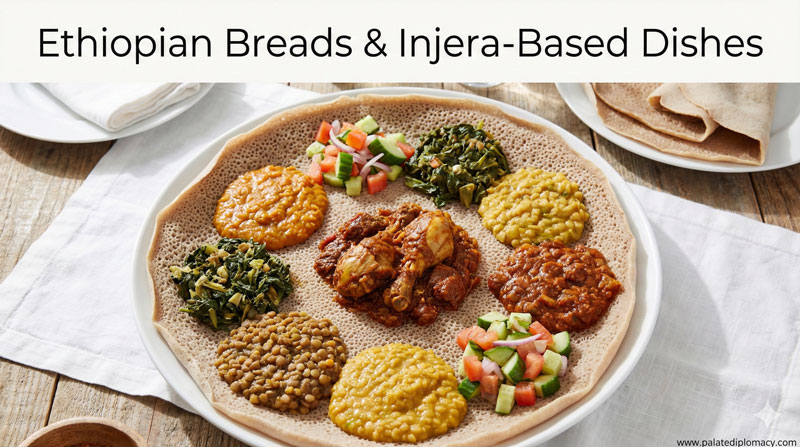
The way firfir is served reveals a culture of sharing. In many homes, a warm pot or skillet sits on the table where a large piece of injera or a mesob (a wide, woven serving board) is used to lay out portions for everyone. Guests tear off portions and scoop up the spiced bread with their fingers, a practice that emphasizes connection and involvement. Serving size is flexible, inviting conversation and generosity. A simple cup of coffee or a cool drink often accompanies firfir, completing a moment of nourishment and calm.
Pairings and the Cooking Experience
Firfir pairs beautifully with drinks and desserts that refresh the palate. A light, roasted coffee brewed strong and aromatic cleanses the senses after a savory bite. Fresh herbs or a squeeze of lemon can brighten the dish, especially in warmer weather. For contrast, a soft yogurt drizzle or a mild cucumber salad can balance heat and richness. These pairings highlight the dish’s versatility and show how firfir can anchor a memorable, well-rounded meal.
Firfir and the Living Tradition
The Story of firfir continues to grow with each kitchen. Cooks adapt recipes to family tastes and the season’s yields, keeping the dish relevant while honoring its origins. This adaptability is a hallmark of Ethiopian cooking, where technique, ingredients, and timing merge to create something both timeless and personal. Firfir remains a reminder that food can be a daily ritual, a place to share, and a bridge between generations. Its beauty lies in how a simple torn bread becomes the center of warmth, flavor, and community.
A Close with Open Heart
If you are new to firfir, approach with curiosity and a quiet patience. Observe how the spices awaken, how the bread softens, and how the kitchen fills with inviting scent. Taste in small bites, and let the texture unfold on your tongue. The dish invites gratitude for everyday craft and a celebration of home cooking. Firfir is more than sustenance; it is a living expression of care, skill, and shared meals that linger in memory long after the last bite.