
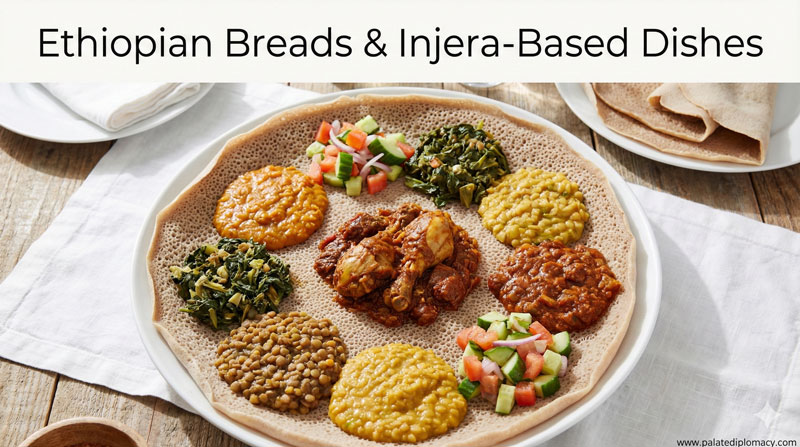
Introduction: How Fit-Fit Reflects Ethiopian Food Culture
Fit-fit, a humble dish built from torn injera and mixed stews, offers a clear window into Ethiopian food culture. It is more than a meal; it is a practice of mixing, sharing, and savoring. The dish lives at the heart of many households, marking everyday moments and festive gatherings alike. In fit-fit, texture, aroma, and tradition meet in one bowl. The result is a food experience that speaks of care, craftsmanship, and community.
The Essence of Fit-Fit in Everyday Life
Fit-fit embodies a practical spirit. Ethiopian cooks tear injera into bite-sized pieces and combine them with flavorful sauces. The torn bread soaks up the sauce, bringing it to life with each bite. This method highlights a fundamental value: using what is at hand to create something nourishing and satisfying. The dish is often quick to prepare, yet its finish shows patience in blending flavors. In this simplicity, one senses a shared kitchen rhythm that invites everyone to participate, observe, and enjoy.
A Dish of Hospitality and Community
Hospitality shines through fit-fit. Sharing a single bowl or plate creates a moment of connection. Guests feel welcomed, and hosts express generosity through the careful balance of bread and sauce. The act of serving and being served—sometimes with a gentle gesture called gursha, where one person feeds another—further deepens bonds. Fit-fit teaches that hospitality is not rushed; it unfolds as people gather, talk, and laugh together. The dish becomes a daily celebration of togetherness.
Texture, Technique, and Sensory Experience
Texture is central to fit-fit’s appeal. The torn injera offers a tender chew that holds small pockets of sauce. The sauce itself carries spices, smoke, and warmth. When berbere, niter kibbeh, or other seasonings mingle with the bread, the mix transforms into a layered experience. The technique is straightforward, but mastery appears in the balance of moisture and bite. The sensory richness—savory, tangy, slightly sour from injera—creates a familiar and comforting harmony.
Fit-Fit Across Regions: Diversity in a Single Dish
Across Ethiopia, fit-fit reflects regional tastes and pantry staples. In teff-rich regions, the injera has a distinct aroma and a fine, slightly sour bite. In other areas, cooks customize the sauce with local vegetables, legumes, and spice blends. Yet the core idea remains the same: torn injera absorbed by a flavorful medley. This regional variety speaks to a broader cultural pattern—celebrating local ingredients while maintaining a shared culinary language.
The Broader Culinary Palette: Ingredients That Shape Fit-Fit
Fit-fit is flexible by design. Common ingredients include injera, lentil or bean stews, and vegetables simmered with spices. The dish often shifts with what is available: a lentil-based misir wot, chickpeas, or a mix of vegetables. Spices such as berbere awaken the plate, while niter kibbeh adds a fragrant butteriness. This adaptability mirrors a culture that values balance, seasonality, and thoughtful preparation. The result is a plate that feels both comforting and attentive.
Fit-Fit and the Ethiopian Pantry: A Practical Kitchen Ethic
The pantry behind fit-fit reflects careful planning and resourcefulness. Teff flour substrates become injera, which then serves as the stage for sauces and stews. Dried legumes, onions, garlic, and tomatoes provide depth and color. The use of spices is deliberate, not overpowering; the goal is harmony. This pantry-driven approach reveals a kitchen ethic: flavor comes from thoughtful layering, not from excess. It is a philosophy that makes fit-fit resilient, satisfying, and accessible to many households.
Rituals, Pairings, and Timing
Fit-fit often appears within the rhythm of daily life and community gatherings. It pairs well with the lighter moments of a coffee ceremony or a simple tea break. When families share fit-fit, they often talk, listen, and enjoy a sense of belonging that lingers after the meal. The dish also fits well with fasting or special days when lighter, plant-based preparations are common; still, the core idea remains the same: nourishment shared with care. In this way, fit-fit integrates with the broader set of Ethiopian dining rituals, reinforcing continuity and warmth.
A Living Tradition: Why Fit-Fit Matters
Why does fit-fit matter in Ethiopian food culture? Because it embodies fundamental values: practicality, generosity, and togetherness. It celebrates the tactile joy of handling bread, the aroma of spice blends, and the comfort of a shared table. It also honors memory—recipes travel between generations as children tear injera and learn the balance of sauce and bread. In every bite, fit-fit tells a story of daily life made richer through communal eating. This is why the dish endures as a beloved fixture on many tables.
Conclusion: Fit-Fit as a Cultural Mirror
In the ordinary act of making fit-fit, Ethiopian cooks express kindness, skill, and a deep respect for food. The dish stands as a cultural mirror, reflecting How Families nourish one another and how communities welcome guests. Its simple ingredients and careful technique become a celebration of place, season, and shared history. If you seek a dish that invites conversation, warmth, and a sense of belonging, fit-fit offers a direct path to the heart of Ethiopian food culture.