
How Fried Plantains Reflects Caribbean Food Culture
Fried plantains capture the Heart of Caribbean Food Culture. The dish shows how simple ingredients can become a celebration of flavor, texture, and daily life. In kitchens and on street corners, fried plantains invite people to pause, share, and savor. This post explores the cultural value and culinary significance wrapped in a single golden bite.
The dual personalities of plantains
Plantains come in two bright personalities. Green plantains are starchy and sturdy, perfect for a crispier bite. Ripe plantains turn sweet and soft, ideal for a caramelized center. In the Caribbean, both versions are common, each serving different meals and moods. First, green plantains are sliced and fried to a firm, golden crust that holds up to hearty sides. Next, ripe plantains, or maduros, melt in the mouth with a honeyed aroma. This pair shows how a single ingredient can adapt to many tastes, enhancing breakfast, lunch, or dinner.
The frying moment: technique and texture
The magic happens in the frying pan. A steady, moderate heat builds color and flavor without burning sugars. Try a light coating of oil and a brief, confident fry to seal the edges. Then, depending on the variety, finish with a second fry for extra crispness or serve immediately for a softer bite. The result is a dish that offers crunch on the outside and tenderness inside. The aroma—a warm mix of caramel, plantain, and a whisper of salt—welcomes everyone to the table. This technique is a shared skill across Caribbean kitchens, learned from family and friends and passed down with small tips and happy mistakes.
Flavor pairings and serving styles
Fried plantains are versatile partners. They shine beside beans and rice, fried fish, or stews, acting as a natural palate cleanser between bites. They also stand on their own, lightly salted or given a squeeze of lime to brighten the sweetness. In many homes, a simple pepper sauce or a garlic-lime drizzle elevates the dish without masking its essence. The balance of sweet and savory makes fried plantains a flexible canvas for layering flavors, textures, and colors on a single plate.
A social dish: sharing and hospitality
Caribbean meals center on togetherness, and fried plantains help foster that spirit. In homes and markets, friends and family gather around the frying pan or a hot skillet. The cook’s hands move with practiced ease, turning slices with care, offering morsels for tasting, and inviting others to sample. This communal rhythm makes the dish more than food; it becomes a gesture of warmth and hospitality. Plates passed around a table, stories shared over a tray of maduros, and the clink of forks all highlight how fried plantains anchor social moments in daily life.
A colorful canvas: color, aroma, and seasonality
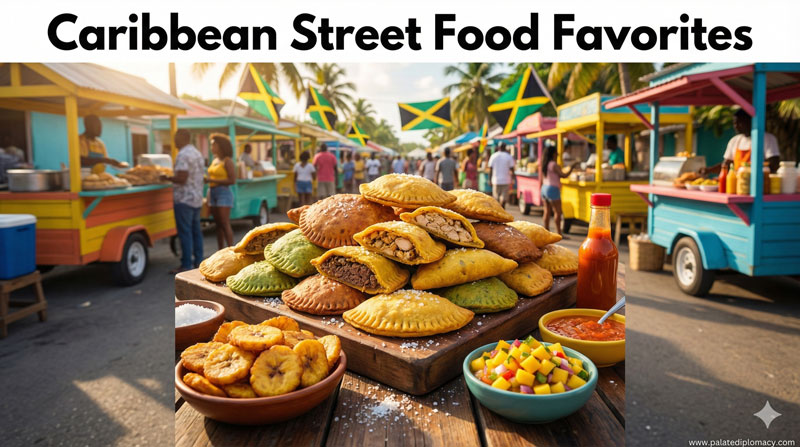
Color deepens the dish’s appeal. The light brown edges, the pale yellow interior (or golden caramel if the plantains are very ripe), and the glossy surface of a well-fried piece create an inviting plate. The aroma—the natural sweetness of caramelized sugar meeting fried starch—lifts the mood and signals food prepared with care. Seasonality plays a quiet role here, too. Fresh plantains vary with the harvest, and cooks adapt: a touch more salt, a tweak of lime, or a hint of pepper sauce to mirror the day’s mood. This responsiveness reflects Caribbean culinary culture’s appreciation for freshness and balance.
Quick guide to enjoying fried plantains at home
- Choose ripe or green plantains depending on desired texture.
- Slice evenly for uniform frying and consider a light pat of paper to remove excess moisture.
- Use a neutral oil heated just enough to sizzle but not smoke.
- Fry once for a crisper bite, or twice for a deeper crunch.
- Finish with a light sprinkle of salt and a squeeze of lime or a dip of pepper sauce if desired.
- Pair with beans, rice, or fish, and share with others to echo the dish’s communal spirit.
Conclusion: a dish that speaks to culture through flavor
Fried plantains embody Caribbean food culture through their adaptability, technique, and shared enjoyment. They bridge meals and moments, offering a delicious reminder that simple foods can carry rich meaning. Each bite celebrates hospitality, balance, and the joy of cooking as a communal art. By savoring fried plantains, you participate in a tradition that honors flavor, family, and the everyday beauty of Caribbean life.