
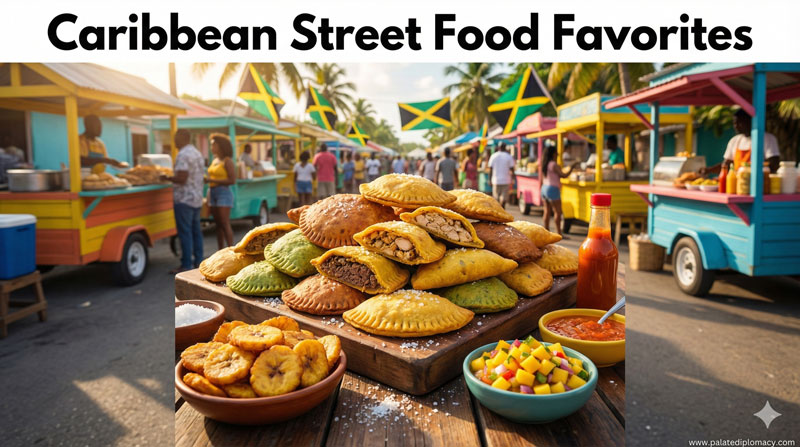
How Fried Plantains Reflects Caribbean Food Culture
Fried plantains are more than a snack. In Caribbean kitchens, they carry warmth, hospitality, and daily life into the plate. The dish shows how simple ingredients become memorable through technique and timing. The aroma of hot oil, the sight of caramelized edges, and the soft sweetness inside invite conversation and sharing. This post explores how fried plantains reflect Caribbean Food Culture and culinary significance.
The Plantain’s Place in the Caribbean Kitchen
Plantains grow across warm climates and are a pantry staple in many Caribbean homes. They appear in breakfast, lunch, and dinner, often paired with beans, rice, fish, or meats. In markets and kitchens, green plantains and ripe ones offer different textures and flavors. Their versatility makes them a bridge between daily meals and festive plates. The humble plantain celebrates abundance and approachable cooking, inviting cooks of all ages to experiment.
The Technique: Frying Plantains
Start with ripe or green plantains, then peel and slice. Heat oil to about 350 to 375 degrees Fahrenheit, just enough to shimmer. Fry until the edges turn golden and crisp. For maduros, fry until the centers stay tender and sweet. For tostones, slice green plantains, fry once to soften, flatten, then fry again for extra crunch. Season with salt, lime, or pepper to finish. Clear steps and careful timing reveal the plantain’s best texture and flavor.
Variations: Maduros and Tostones
Maduros are ripe plantains, sliced lengthwise and fried until caramel brown. They offer a gentle sweetness that pairs beautifully with savory dishes. Tostones are green plantains, sliced, fried, flattened, and fried again for a sturdy crunch. Both versions are essential to Caribbean tables, offering sweet or savory notes that suit many meals and moods. The contrasts between soft sweetness and crisp bite highlight the region’s balance of flavors.
A Social Dish: Sharing and Serving
Fried plantains appear on plates served for family meals, street breakfasts, and festive gatherings. They travel in baskets from kitchens to markets, welcoming guests with a warm aroma. Common accompaniments include saltfish, stews, garlic sauce, or pepper relish. People pass platters, swap tips, and celebrate small moments around the dish. The act of sharing fried plantains embodies hospitality and the joy of eating together.
The Plantain in Modern Caribbean Cuisine
Chefs reimagine fried plantains with Coconut Milk, jerk spice, or lime zest. Plantains also appear as chips, Side Dishes, or bases for savory bowls. The fruit remains an affordable, accessible element that travels from home kitchens to restaurant menus. This adaptability keeps fried plantains relevant across generations, seasons, and culinary innovations.
Conclusion
Fried plantains reflect Caribbean food culture through taste, technique, and togetherness. They show how a simple ingredient becomes a shared experience that nourishes dishes, families, and communities. With every bite, the dish honors warmth, hospitality, and the joy of cooking.