
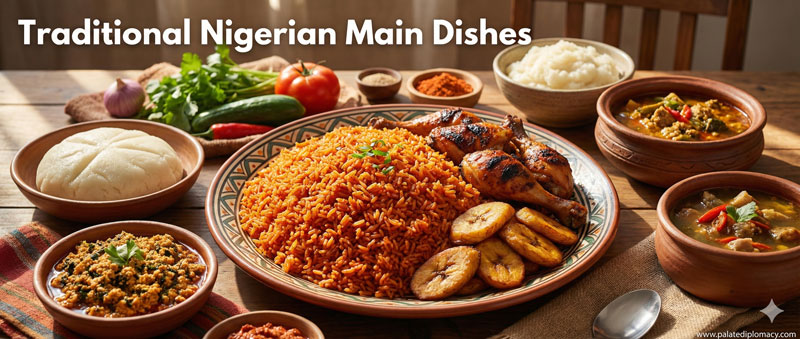
A Warm Welcome to Fried Rice
Fried rice invites you into a texture-rich, aroma-filled kitchen moment. It is a dish that speaks with a familiar smile. Simple on the surface, it carries a depth of technique and culture. This post offers everything You Need to know about fried rice, focused on its cultural value and culinary significance.
The Cultural Value of Fried Rice
In many homes, fried rice is a dependable, comforting meal. It welcomes quick, thoughtful cooking and respectful use of the day’s ingredients. Across kitchens, it becomes a signal of hospitality and daily life. The dish bridges routine and celebration, turning ordinary ingredients into a plate with character. Its versatility Makes It a shared language in countless family meals, small gatherings, and casual suppers.
The Culinary Significance: Skill and Flavor
The magic of fried rice lies in balance. Texture matters as much as taste. You want grains that are fluffy yet distinct, vegetables that stay crisp, and a fragrance that fills the room. The signature aroma—often called wok hei in some traditions—arrives when the pan is very hot and the rice sizzles quickly. That quick sear seals flavor and creates a lively bite. Fried rice rewards careful timing, precise heat, and a light hand with seasonings.
The Core Technique: Mastering the Fry
First, start with the right rice. Day-old or cooled rice dries out a bit, which helps it fry without clumping. Next, prep ingredients in advance so the stir-fry stays fast and focused. Preheat your pan or wok on high heat, then add a light coating of oil. Add aromatics such as garlic or onion to perfume the oil. Stir-fry briefly, then add the rice in a quick, tossing motion. Keep the grains moving to prevent steaming. Finally, season in stages with light soy sauce or other seasonings, toss again, and finish with a final, quick toss to unite flavors. The goal is a bright, savory finish with distinct grains and a touch of glaze from the sauce.
Regional Highlights: A World in a Plate
Fried rice appears in many regional styles, each with its own charm:
- Chinese fried rice often uses a gentle soy-driven flavor and a clean, savory finish.
- Indonesian nasi goreng adds a deeper spice profile and a touch of sweetness.
- Thai khao phat emphasizes fresh herbs, lime, and a balance of sour and savory notes.
- Filipino sinangag leans toward garlicky brightness and a simple, comforting backbone.
- Japanese yakimeshi favors delicate seasoning and a light, fluffy texture.
- Korean bokkeumbap brings a robust, peppery character with sesame notes.
These variations show how fried rice acts as a canvas for regional tastes while preserving a shared method.
Ingredients and Flavor Building
The core is flexible, inviting creativity. Rice types vary by region and preference, but grains that separate well are prized. Eggs are a common binding element and texture contributor. Vegetables such as peas, carrots, and scallions add color and crunch. Proteins like shrimp, chicken, or pork appear in many kitchens, each bringing its own aroma. Seasonings typically include soy sauce, a touch of sesame oil, and pepper. Some cooks add fish sauce, oyster sauce, or a hint of sweetness to finish. The result is a dish that speaks of balance, harmony, and adaptability.
The Everyday Serenade: Fried Rice at the Table
Fried rice is a companion at many meals. It pairs well with soups, stews, and fresh salads, yet it also stands proudly on its own as a satisfying plate. It welcomes a quick lunch, a late-night snack, or a comforting dinner after a busy day. Its beauty lies in how easily it mirrors the maker’s mood and pantry, turning simple ingredients into a shared, nourishing moment.
Practical Tips for a Perfect Plate
- Use well-chried rice that isn’t moist. It fries best when it is a bit dry.
- Preheat the pan and cook in small, quick batches to avoid overcrowding.
- Keep ingredients prepped and ready; timing matters in a fast fry.
- Add aromatics first, then rice, and season in stages for depth.
- Finish with a light toss to unite flavors without breaking the grains.
Embracing the Future: Fried Rice Keeps Evolving
Fried rice remains a living, evolving dish. It invites new flavors, textures, and techniques while honoring its roots. Each kitchen can make it its own, preserving the idea that a simple plate can carry culture, craft, and care. As you explore fried rice, you join a long line of cooks who cherish clarity, balance, and warmth on the plate.
If you’re looking for a dish that celebrates technique and taste without ceremony, fried rice shines. It is a humble, respectful, and endlessly adaptable staple. Enjoy the process, savor the aroma, and share the plate with those at your table.