
Introduction
How Fried Rice Reflects Nigerian Food Culture is more than a recipe. It is a window into how Nigerians approach food, community, and daily life. The dish blends straightforward technique with a love for color, aroma, and shared moments. It invites a smile, signals hospitality, and adapts to what the pantry offers. In its simplicity, fried rice becomes a canvas for culture, where the grains tell a story of warmth and welcome.
The Core of the Dish
At its heart, fried rice is a celebration of staple ingredients, skill, and balance. Rice anchors the plate as a familiar comfort that travels easily from kitchen to table. The mix of vegetables—often carrots, peas, bell peppers, and onions—adds color and crunch, mirroring Nigeria’s vibrant markets and bright family gatherings. Proteins such as chicken, shrimp, or beef appear as seasonal accents, offering depth without overpowering the dish. Aromatics like garlic, onions, and herbs perfume the pan and invite conversation. The kitchen becomes a stage where texture and aroma work together to create something both everyday and special.
A Palette of Flavor and Color
Flavor in Nigerian fried rice comes from a thoughtful blend of seasonings. Thyme and curry powder bring warmth and a subtle fragrance that speaks to shared meals. A splash of stock or bouillon heightens depth, while pepper and palm oil notes may appear in some homes, adding character and a gentle shimmer of red. The goal is harmony: grains that stay distinct, vegetables that stay crisp, and meat that remains tender. This balance mirrors how Nigerian cooks honor different ingredients without overloading the dish. The result is a plate that looks inviting and tastes comforting—exactly the kind of dish people seek when gathering with family and friends.
The Technique That Tells a Story
Fried rice shines when cookery craft is evident, yet the technique remains accessible. High heat, quick movements, and careful stirring keep each grain separate. This method echoes a broader cultural emphasis on efficiency and care in the kitchen: work with what you have, but honor the food with precise handling. The process often starts with sautéed aromatics, followed by vegetables and any chosen proteins. Then the rice—preferably day-old for texture—is added with a light touch to Avoid clumping. The final toss brings everything together, and the plate gains a glossy finish and a fragrant aroma that signals a well-prepared meal.
Regional Voices in a Shared Dish
Across Nigeria’s diverse regions, fried rice adapts while keeping its core identity. In some homes, a touch of sweetness comes from peas and carrots; in others, peppers add a gentle heat that lingers in the mouth. The choice of protein shifts with preference and occasion—from everyday suppers to celebratory meals. Despite these variations, the dish consistently functions as a social bridge: it’s easy to share, easy to scale for a crowd, and easy to customize for individual tastes. This adaptability is a hallmark of Nigerian cooking, where the kitchen welcomes change while preserving a sense of common culture around the table.
The Social Heartbeat of the Meal
Fried rice is more than food; it is a ritual of hospitality. When a family prepares it for guests, the act conveys warmth, respect, and generosity. Friends and relatives often gather around the stove or the dining table, chatting as aromas fill the room. Serving fried rice on a large platter becomes a shared moment, inviting everyone to take portions and to plate with care. In this way, the dish reinforces social ties and creates memory. It also demonstrates A Practical skill: turning simple, available ingredients into something celebratory. The dish embodies a balanced approach to living—resourceful, generous, and joyful.
Plating, Presentation, and Sensory Appeal
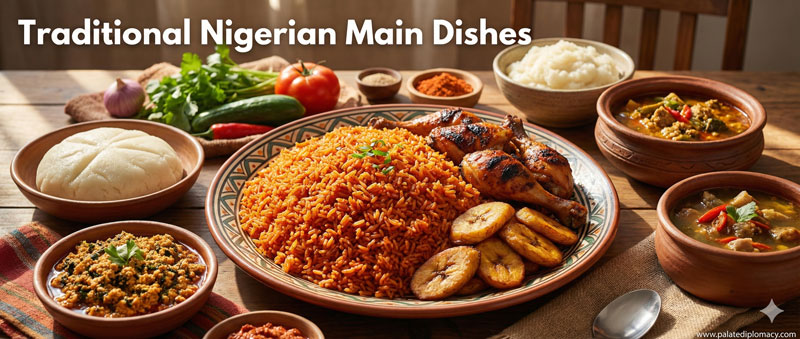
The visual appeal of fried rice enhances its cultural value. The bright colors from vegetables, the golden grains, and the glistening finish create an inviting presentation. A well-plated mound can become a centerpiece at a family meal or a village gathering. The presentation matters because it reflects pride in the cook’s craft and respect for those who will share the meal. For many Nigerians, food is a language of gratitude, and a thoughtful plate communicates that emotion even before the first bite.
Pairings and the Whole Table Experience
Fried rice often accompanies other favorites, forming a larger tableau of flavor. It pairs well with light soups, fresh salads, or protein-rich sides, enhancing a table that serves a crowd. The balance between fried rice and its companions mirrors the way communities balance different tastes and preferences. This harmony reinforces the idea that Nigerian food culture thrives on collaboration—many elements coming together to create something greater than any single part.
A Dish for Everyday Joy and Special Occasions
From weekday dinners to festive occasions, fried rice travels the spectrum of Nigerian life. It is hearty enough to feed a busy household and refined enough to mark a special moment. The dish embodies a practical elegance: it uses common ingredients, respects tradition, and invites experimentation. In its many forms, fried rice remains accessible yet expressive, a reliable canvas for family stories and shared smiles.
Conclusion
In examining How Fried Rice Reflects Nigerian Food Culture, we discover more than a tasty dish. We see hospitality, flexibility, and a clever use of available ingredients that together honor community life. The dish celebrates color, aroma, texture, and taste, all while reinforcing social bonds around the table. It stands as a warm invitation to explore Nigerian culinary artistry—the simple, joyful art of turning everyday meals into moments of togetherness. Whether enjoyed at a family table or shared with neighbors, fried rice beautifully embodies the spirit of Nigerian food culture: welcoming, adaptable, and delicious.