
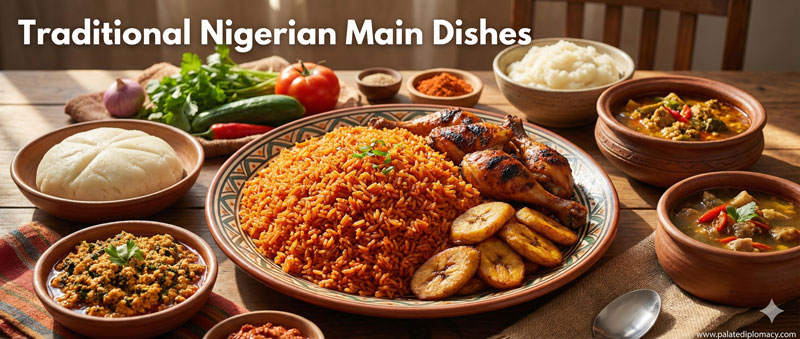
The Dish and Its Heart in Nigerian Kitchens
Fried rice is a beloved staple on many Nigerian tables. It appears in homes, be it a simple weekday dinner or a celebratory feast. The dish carries a sense of warmth and welcome, inviting people to share. When cooked with care, fried rice becomes more than a meal; it becomes a small ceremony of hospitality and togetherness. In Nigerian kitchens, the aroma alone often signals that guests are valued and meals are prepared with joy.
Ingredients as a Story of Local Flavors
The beauty of Nigerian fried rice lies in its ingredients. Parboiled rice forms the sturdy base, ready to soak up color and flavor. Onions, garlic, and peppers wake the pan with fragrance. Carrots, peas, and sometimes green beans add color and sweetness. Pieces of chicken, shrimp, or eggs provide protein and texture. A kiss of thyme and a touch of curry powder bring warmth without overpowering the rice. Tomato paste or fresh tomatoes offer a bright, tangy depth. Each choice tells a family story—what is available, what the season offers, and how cooks balance nutrition with taste. The dish invites improvisation, yet it remains recognizably fried rice, a familiar friend at many Nigerian tables.
Technique: Stir-Fry as a Cultural Expression
The preparation speaks to skill and care. First, the rice is gently parboiled to a firm, separate grain. Next, a hot pan greets onions, garlic, and spices, releasing a chorus of aromas. The vegetables join, adding color and crunch. Then the rice blends with the sauce and proteins, absorbing flavor while staying distinct. The final toss is quick and precise, ensuring each grain carries a little brightness from the vegetables and spice. This technique—swift, high-heat cooking with attentive stirring—highlights a value: meals should be lively, balanced, and satisfying to the eye as well as the palate.
Color and Aroma: Signals of Hospitality
Color matters in Nigerian fried rice. The golden rice, the orange of carrots, the green of peas, and the red hints from tomato-based sauces create a vibrant plate. Aroma matters just as much as appearance; a pleasing scent signals care and generosity. A well-made fried rice fills the room with a welcoming fragrance, inviting everyone to gather. In these moments, food becomes a shared experience, and the plate becomes a bridge that brings people together.
Food as Social Glue: Sharing and Celebrations
Fried rice often shines at gatherings. It is versatile enough for everyday meals and generous enough for special occasions. It feeds many without complexity, making it A Practical and joyful choice for family dinners, community events, and family celebrations. The dish supports conversation, laughter, and connection around the table. In this way, fried rice embodies a spirit of hospitality that many Nigerian households treasure: every guest is welcomed, and every meal becomes a memory.
Regional Threads: Twists Across Nigerian Tables
Across regions, small twists reveal local preferences. In some households, extra vegetables and peanuts add crunch and flavor. In others, more peppers or a hint of local spice create a bolder finish. The use of plantains, a common side, can frame the dish in a striking, comforting way. These variations reflect regional tastes and seasonal ingredients, all while keeping fried rice recognizable. The result is a family-friendly dish that travels well from kitchen to table and adapts with gentle regional flair.
Everyday and Special: Fried Rice in Daily Life
Fried rice sits comfortably on both weekday menus and holiday spreads. It pairs well with a simple sauce, fried plantains, or a savory protein platter. Its versatility makes it a reliable centerpiece for a busy family night or a festive menu. Clean lines, bright colors, and balanced flavors help the dish shine in any setting. The kitchen sees it as a dependable friend that can lift a meal with minimal fuss and maximum warmth.
The Future of Nigerian Fried Rice: Innovation with Respect
As cooks experiment, fried rice evolves with new ideas while honoring tradition. Substituting long-grain or jasmine rice can adjust texture and aroma. Adding new vegetables or different proteins keeps the dish fresh. Yet the essence remains: a flavorful, comforting plate that celebrates community and care. This balance between innovation and tradition keeps fried rice a timeless favorite in Nigerian Food Culture.
Conclusion: A Dish That Reflects Nigerian Food Culture
Fried rice reflects Nigerian culinary values in a clear, inviting way. It celebrates local ingredients and practical technique. It signals hospitality and togetherness, bridging everyday meals with special occasions. It adapts to regional tastes while remaining distinctly recognizable. Through its color, aroma, and texture, fried rice communicates warmth and care. In this way, the dish offers a delicious lens on Nigerian food culture—rich, welcoming, and endlessly adaptable.