
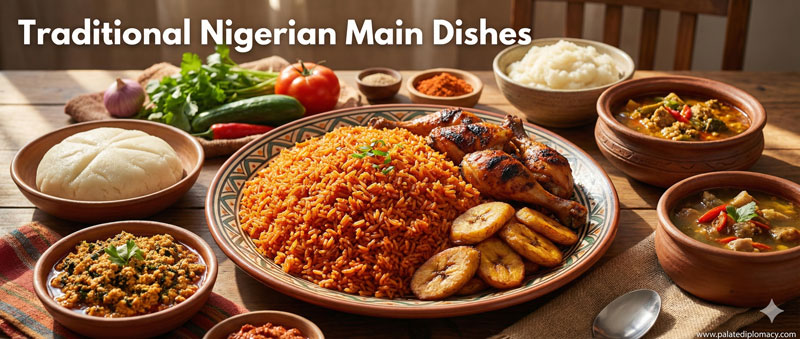
Introduction: Everything You Need to Know About Fried Rice
Fried rice is a humble dish with a bright presence in many kitchens. It celebrates resourcefulness, balance, and craft. This post invites you to see fried rice as more than a meal—it’s a shared language of food, technique, and culture. You will discover how a simple plate can express care, season, and storytelling through color, aroma, and texture.
The Heart of the Craft: Rice, Heat, and Flavor
The backbone of fried rice is the rice itself. Day-old grains separate easily, so each bite stays distinct rather than mushy. A hot pan or wok creates quick searing, which adds depth and a subtle smoky note. The flavor comes together through a careful balance of salt, fat, and a few bright notes. Every step celebrates simplicity: heat, motion, and timing.
Classic Techniques for Perfect Fried Rice
- Preheat the pan until it shimmers, then add a small veil of oil.
- Start with aromatics like garlic or scallions to perfume the oil.
- If using eggs, scramble them lightly and set them aside before adding rice.
- Break up any clumps of rice, then fold in the grains quickly to coat them with oil and seasonings.
- Use a light soy sauce for color and salt, and a touch of dark soy if you want richer depth.
- Toss fast and high, letting the pan do the work. The goal is even color, not soggy grains.
- Finish with a drop of sesame oil or a little brightness from green onions.
These steps reveal a technique that respects texture and aroma. The result is a plate that feels lively and fresh rather than heavy.
The Core Cast: Proteins, Vegetables, and Aromatics
A great fried rice pairs simple staples with deliberate choices:
– Proteins: shrimp, chicken, pork, or tofu add substance and nuance.
– Vegetables: peas, carrots, scallions, and corn bring color and sweetness.
– Aromatics: garlic, onion, and ginger offer scent and backbone.
– Eggs: they add richness and a light, custardy texture when folded in just-so.
The magic lies in rhythm: cook proteins first, push them aside, then build the fried rice with vegetables and aromatics before adding rice and sauces.
Flavor Pairings and Sauces that Define the Dish
Fried rice learns its personality from its seasonings. Common building blocks include:
– Light soy sauce for salt and body
– A touch of dark soy for color and depth
– Oyster sauce or fish sauce for umami
– Sesame oil for aroma
– Fresh lime or a splash of vinegar for brightness (optional)
A well-balanced blend lets each component sing, from the savory umami to the fresh greens.
Regional Expressions: A World of Fried Rice
Across regions, fried rice wears many faces:
– In Chinese cooking, Yangzhou fried rice is a refined example with careful balance of ingredients.
– In Indonesia, nasi goreng often uses sweet soy and chili, yielding a bold, comforting profile.
– In Japan, chahan emphasizes technique and harmony with restrained seasonings.
– In Thailand, khao pad varies with curry notes or lime, reflecting local tastes.
– In the Philippines, sinangag brings a simple, fragrant base that pairs with savory toppings.
These forms share a common love: transforming simple leftovers into a satisfying, colorful dish.
Fried Rice in Everyday Life: From Home Kitchen to Street Stall
Fried rice anchors daily life. It appears in home kitchens as a practical solution for leftovers and a canvas for family favorites. Street stalls showcase speed, consistency, and the joy of a bowl ready in moments. In homes and markets alike, fried rice invites conversation—about what’s in the fridge, what’s fresh at the market, and how we like our flavors. This accessibility helps people of many backgrounds enjoy a dish that feels both familiar and special.
Serving, Presentation, and First Bites
Present fried rice with care. A bright scatter of scallions adds color, while cucumber slices or pickles offer a crisp contrast. A drizzle of sesame oil or a handful of fried shallots can elevate aroma and texture. Serve hot to savor the aroma and the distinct grains. A simple squeeze of lime can lift the flavors and invite another bite.
Making It Your Own: Tips for Personal Touch
- Use leftovers you enjoy: a mix of vegetables, meats, or seafood can become your signature.
- Adjust the heat level with chilies or pepper; tailor the dish to your preferred spice.
- Try different oils for aroma—peanut, sesame, or a neutral oil—depending on the flavor you want.
- Experiment with sauces: a touch of oyster sauce for depth, or a splash of citrus for brightness.
- Keep the rice airy by handling it lightly and avoiding excess moisture.
Final Thoughts: A Dish That Honors Good Food
Fried rice stands as a testament to practical cooking that elevates everyday ingredients. It rewards patience, attention to texture, and a thoughtful balance of flavors. In every bowl, you taste technique, care, and the joy of sharing a simple meal that feels generous and complete. By exploring its ingredients, methods, and regional expressions, you can deepen your appreciation for how fried rice fits into a rich, flavorful Food Culture.