
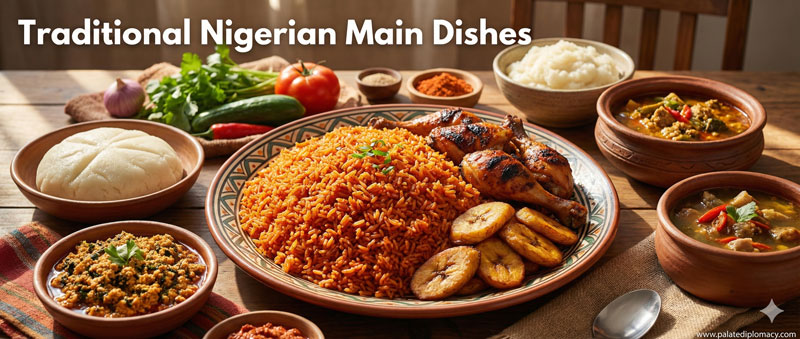
Introduction
Nigerian fried rice is more than a tasty dish; it is a lens into everyday life, shared meals, and the joy of gathering. In kitchens across the country, this dish speaks with aroma, color, and texture. It blends local ingredients with careful technique, creating a plate that feels both familiar and celebratory. Readers will discover how fried rice mirrors Nigerian Food Culture through variety, balance, and a spirit of hospitality.
The Palette of Flavors: Ingredients as Cultural Signals
The Heart of Nigerian fried rice is its palette. Parboiled rice forms the fluffy base, absorbing flavors without clumping. Next, a bright sauté of onions, garlic, and ginger builds a warm foundation. Fresh peppers and tomatoes bring color and brightness, while spices such as thyme and curry add character and warmth. In addition, cooks often blend palm oil for a rich, reddish hue or opt for vegetable oil for a lighter finish. This choice reflects local preference and the occasion.
Protein and vegetables join the mix. Chicken, beef, shrimp, or a mix of all three appear in many kitchens, showing abundance and care. Carrots, peas, and sometimes green beans add crunch and color. Eggs may appear as ribbons folded through the rice or scrambled in person-sized bites. The result is a harmony of savory, sweet, and slightly tangy notes that regional cooks adjust with the pantry at hand.
Craft and Technique: How the Dish Takes Shape
Technique defines the character of fried rice. Cooks begin by infusing oil with aromatics, then fold in the pepper-tomato base to create a glossy, flavorful sauce. The rice is added next, stirred gently to coat every grain and to prevent sogginess. The texture is crucial: grains should stay separate, not clump, while edges gain a gentle crisp from quick, high-heat tossing. Stock or water can be added in stages to achieve the right moisture and aroma.
Seasoning follows a simple, confident rhythm. Salt, pepper, thyme, and curry are adjusted to taste, balancing heat with fragrance. Proteins go in to finish, often with a quick toss to marry flavors without overcooking. Finally, a pop of color from peas or carrots completes the plate. The result is a well-structured dish where each bite carries depth, brightness, and comfort.
Feast and Fellowship: Hospitality on a Plate
In Nigerian homes, fried rice often signals hospitality and a warm welcome. It is common at family gatherings, birthdays, and celebrations, where a large pot serves many and encourages sharing. The dish invites conversation as people ladle portions onto plates, talk about the day, and refill bowls for neighbors or guests. This social rhythm—preparing, serving, and eating together—embodies a key cultural value: food as a bridge that brings people closer.
Moreover, fried rice offers room for personal expression. A cook may adjust the spice level, add a favorite vegetable, or emphasize a preferred protein. This flexibility reflects a spirit of creativity and care that is valued in everyday life and special occasions alike.
Regional Echoes: Variations Across Nigerian Taste Profiles
Across Nigeria, fried rice carries regional flavors and memories. Some kitchens favor a deeper red from palm oil, which also enriches mouthfeel and aroma. Others choose a lighter, clearer finish with vegetable oil, highlighting the fresh taste of herbs and vegetables. Local ingredients like plantain slices, bell peppers, or green peas appear in different mixes, giving each version a distinct signature.
These variations support a shared method: parboiled rice treated with a savory base, a balance of proteins and vegetables, and a final touch of color and aroma. The result is a family of fried-rice styles that feel connected yet wonderfully diverse.
Everyday Beauty and Special Moments
Fried rice holds a place in both daily meals and special occasions. On busy days, it serves as a wholesome, quick-to-fix option that still feels celebratory. On weekends or festive gatherings, it becomes a centerpiece that signals care and generosity. The dish’s beauty lies in its adaptability: a simple pantry can become a vibrant plate, ready to delight a household or a crowd.
Conclusion
How fried rice reflects Nigerian food culture is a story of balance, welcome, and shared joy. It blends the earthiness of local ingredients with the finesse of technique, creating a dish that feels both familiar and special. Through its flavors, textures, and social rituals, fried rice celebrates community, creativity, and hospitality. It invites everyone to pause, savor, and appreciate the beauty of Nigerian culinary art.