
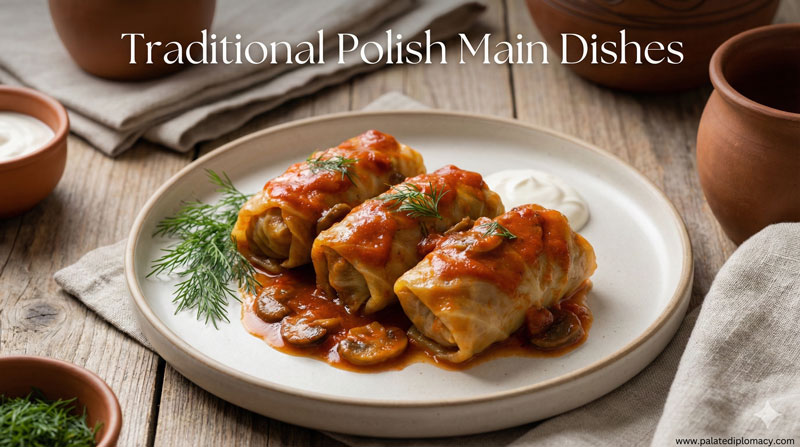
Discover the Unique Taste of Gołąbki in Poland
Gołąbki, or cabbage rolls, carry a warm, inviting story. In Poland, they rise from the kitchen as a beloved staple that travels through generations. Each bite blends tender leaves, savory filling, and a slow simmer that invites conversation.
A Dish Rooted in Polish Hearths
This dish speaks of home and hospitality. The core idea is simple: soft cabbage leaves wrap a fragrant filling. Common fillings mix ground pork or beef with rice or barley, onion, garlic, and herbs. The result is comforting and balanced, with a gentle sweetness from the cabbage and warmth from the meat and spice. In many households, gołąbki appear on the table for special meals, yet they also fit naturally into everyday dinners, making every family gathering a little more ceremonial.
Core Elements of Gołąbki
The beauty of Gołąbki lies in its contrasts. The cabbage provides a crisp, leafy bite that softens during cooking. The filling offers savoriness and texture, with the rice or barley absorbing flavors as it cooks. Seasoning is thoughtful but restrained—salt, pepper, and a whisper of paprika or marjoram are common, letting the ingredients’ character shine. Sauces matter as well: a bright tomato-based sauce or a mushroom-rich gravy can elevate the dish, adding brightness or earthiness without stealing focus from the rolls themselves. When prepared with care, the combination feels elegant in its simplicity.
Regional Variations and Traditions
Polish culinary culture blooms in variation. In some regions, cooks favor rice as the filling’s binder; in others, barley or bulgur adds a nutty note. The sauce can be tomato-forward in one town and mushroom-forward in another. Some families enrich the filling with sautéed mushrooms, which adds depth and a forest-like aroma. Others prefer lighter fillings for a leaner version, especially when paired with a generous portion of vegetables on the side. These differences reflect local produce, family tastes, and the joy of sharing a dish that travels across towns while still feeling intimate.
The Craft of Preparation
Gołąbki come together with practiced, patient steps. First, leaves are prepared: the thick vein near the heart is trimmed to ease rolling, and the outer layers are softened briefly in simmering water. Next, the filling is mixed with care, its texture balanced and cohesive enough to hold a roll’s shape. Rolls are formed snugly, then nestled in a pot or baking dish. Finally, they simmer slowly in sauce or broth, allowing the flavors to mingle and deepen. The result is tender cabbage wrapped around a chorus of flavors, ready to share. This method honors time-honored kitchen rhythms and the supportive work of hands at the stove.
Gołąbki at the Table: Culture and Family
Gołąbki shines at shared tables. It is a dish that invites people to pause, reflect, and connect over a meal. In many families, a tray of gołąbki signals a welcome to guests and a moment to celebrate togetherness. It is common to serve them with a simple accompaniment—mashed potatoes, roasted root vegetables, or a fresh beet salad—so the plate remains balanced and comforting. The dish also graces festive gatherings and community meals, where recipes are exchanged with warmth. While the method and sauce may vary, the heart remains constant: a dish meant to be enjoyed slowly, with conversation and care.
Modern Takes and Seasonality
Today’s kitchens explore gentle innovations without losing the dish’s essence. Vegetarian versions swap meat for mushrooms, lentils, or finely chopped walnuts, preserving the creamy texture of the filling. Seasonal ingredients find their place too; autumn and winter versions lean into hearty sauces and root vegetables, while lighter spring and summer fillings may incorporate fresh herbs and smaller grains. Yet the core message stays intact: gołąbki celebrate balance—between leaf and filling, herb and sauce, tradition and personal taste.
Pairings, Serving, and Hospitality
To present gołąbki beautifully, consider colors and textures on the plate. A bright tomato sauce with a hint of acidity pairs well with the soft cabbage, while a mushroom gravy adds depth for those who prefer a richer finish. Classic accompaniments include mashed potatoes, creamy beet salad (buraczki), or a crisp cucumber salad. A slice of rye bread or a warm roll can absorb any extra sauce, enhancing the overall savor. Fresh dill or a dollop of sour cream can brighten the plate and invite a bright, refreshing note to finish the meal.
A Gentle Invitation to Taste
Gołąbki embody a quiet grace—simple ingredients treated with care, transformed into something memory-worthy. They remind us of how food carries culture, season by season, family by family. If you seek a dish that honors tradition while warmly welcoming new ideas, gołąbki offer a delicious path. With every bite, you taste not only flavor but also the long, shared story of Polish table culture, where every roll invites a moment of connection and gratitude.
Closing Thoughts
As you explore the Unique Taste of Gołąbki in Poland, you glimpse a culinary practice rooted in patience, balance, and community. This dish honors the labor of the kitchen, the generosity of shared meals, and the beauty of simple ingredients brought together with care. Whether enjoyed at a casual weeknight dinner or a festive gathering, gołąbki stand as a welcoming symbol of Polish food culture—delicate, soulful, and endlessly inviting.