
Introduction: Discover the Unique Taste of Gołąbki in Poland
Discover the Unique Taste of Gołąbki in Poland through a dish that feels like a warm invitation to a family table. This meal blends simple ingredients into something comforting and memorable. It carries a clear spirit of Polish cooking: respect for seasonal produce, careful technique, and the joy of sharing. Gołąbki celebrate community as much as flavor. They invite cooks and guests to slow down, savor balance, and learn a little about regional tastes. In short, gołąbki enrich the kitchen with history, texture, and aroma.
The Dish at a Glance: Craft and Craftsmanship
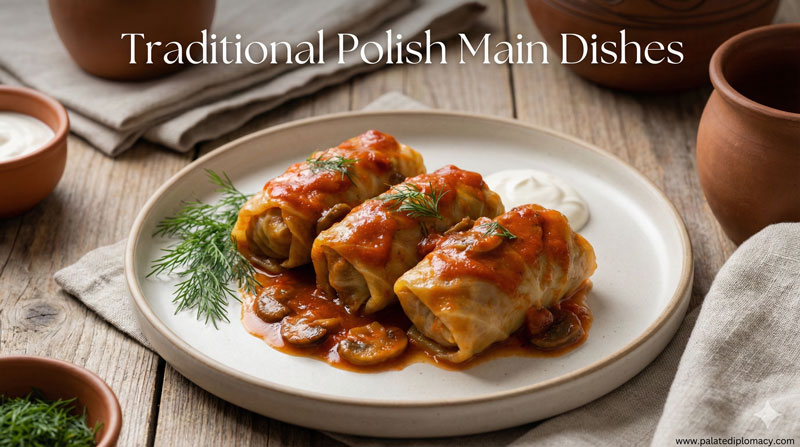
Gołąbki are rolls made from tender cabbage leaves stuffed with a savory mixture. The craft begins with choosing the cabbage and blanching leaves to pliable tenderness. Next comes the stuffing: ground meat, usually pork or beef, merged with rice or barley, onions, and herbs. Some families fold in mushrooms or spices to deepen the flavor. The rolls come together with care, then nestle in a pot or dish. Finally, they simmer in a tomato-based sauce or a light mushroom gravy. The result is a dish that holds together while releasing steam, fragrance, and memories of kitchens at Home.
Core Ingredients and Flavor Profile
The backbone of gołąbki is simple, honest ingredients. Cabbage provides a crisp, sweet counterpoint to rich fillings. The meat offers warmth and depth, while grain such as rice adds texture and substance. Onions and garlic brighten the mix, and herbs like dill or parsley lift the aroma. Tomato sauce brings brightness and a gentle acidity, tying the filling to the cabbage. Some cooks introduce paprika, bay leaves, or pepper for subtle warmth. Each family’s blend tells a little story about taste, season, and preference.
Preparation Traditions: Steps with Purpose
Begin with careful cabbage prep. Core the head, loosen leaves, then blanch until flexible. Let them cool, so they fold easily. Prepare the filling by sautéing onions until soft, mixing with meat, cooked rice, herbs, and seasonings. Roll a spoonful in each leaf, folding sides to seal, and arrange the bundles seam-side down. Place them in a wide pot, cover with sauce or broth, and simmer slowly. The sauce softens the cabbage and threads flavors through every bite. The process requires patience, but the payoff is a silky, cohesive dish.
Regional Variations: Taste of Poland in Every Bite
Poland offers regional twists that celebrate local produce and family preference. Some areas favor pork over beef, while others mix in turkey or veal. Rice is common, but barley or cracked wheat appear in some recipes for a heartier texture. The sauce can be tomato-based in central regions or mushroom-drawn in areas with abundant forest greens. In coastal areas, cooks may add a splash of sea salt or a touch of smoked paprika. These variations invite cooks to preserve tradition while exploring new flavor notes.
Cultural Significance: Food as a Shared Heritage
Gołąbki embody hospitality and everyday care. They are often prepared for family gatherings, Sunday dinners, and festive menus, where everyone lends a hand. The act of wrapping leaves and sharing the sauce reinforces connections across generations. The dish also reflects values of balance and restraint: modest ingredients, careful technique, and a final presentation that invites conversation. By bringing people to the table, gołąbki become a living thread in the culinary tapestry of Polish culture.
Serving and Pairings: Completing the Experience
Serve gołąbki hot, with a dollop of sour cream or a light yogurt-based topping. Traditional sides include mashed potatoes, rustic bread, or boiled potatoes, depending on family preference. A simple cucumber salad can add crisp contrast. For beverages, a mildly sparkling water or a dry white wine complements the tomato-touched sauce without overpowering the dish. The goal is harmony: let the cabbage, meat, and sauce speak together, then enjoy the moment of shared taste.
Tips for Home Cooks: Elevate the Everyday
Choose sturdy cabbage leaves that hold their shape. Trim the thick veins to ease rolling. Blanch the leaves briefly to maintain pliability and color. For a moist, tender filling, ensure the rice is just cooked and cooled before mixing with the meat. When rolling, keep a consistent amount of filling to maintain uniform cooks. Sauce matters: a rich, lightly acidic base helps the flavors meld. Finally, rest the dish off the heat for a few minutes before serving to let the flavors settle.
Conclusion: A Feast of Flavor and Family
Gołąbki offer more than a meal; they offer a gateway to Polish culinary values. They celebrate simplicity, balance, and the joy of cooking together. Each bite reveals care, tradition, and a sense of place. Whether you cook them to welcome guests or to celebrate a quiet night at home, gołąbki remind us that food can carry culture as surely as it feeds the body. Enjoy the unique taste, and let the dish enrich your appreciation of Polish food culture.