
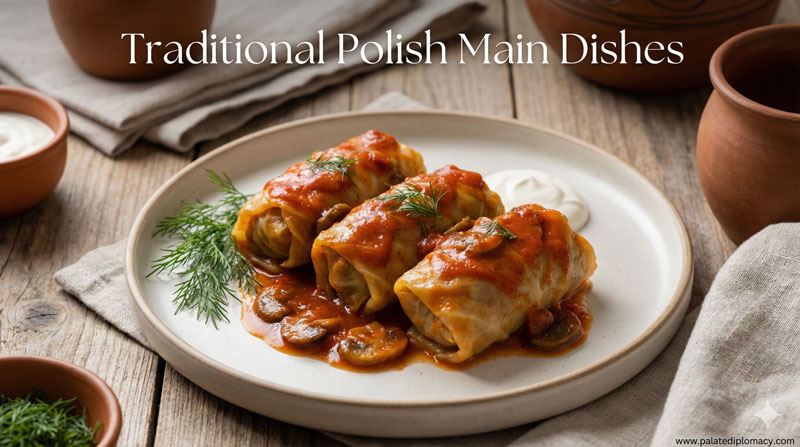
A Warm Welcome to Gołąbki
Gołąbki, or Polish cabbage rolls, are a beloved part of everyday dining. This dish is more than a meal; it is a doorway into Polish kitchen culture. Families gather at the stove, share stories, and watch the cabbage braise into tender ribbons. The aroma invites calm, connection, and a sense of belonging.
What Are Gołąbki? A Simple, Soulful Dish
Gołąbki are cabbage leaves wrapped around a filling of ground meat and grain. The rolls sit in a braising pot as they simmer, turning saucy and soft. The name means little pigeons, a playful nod to their shape. Simple ingredients become a comforting, soulful dish that feels like home.
Core Ingredients and Techniques
Key ingredients include fresh cabbage, minced pork and beef, and a grain such as rice or barley. Onions, garlic, salt, pepper, and a touch of marjoram give depth. Some cooks add mushrooms or a beaten egg to bind the filling. Many prepare a tomato-based sauce or a light broth to braise the rolls. First, blanch the cabbage leaves to soften them. Next, mix the filling. Then roll each leaf, tuck it tightly, and layer the rolls in a pot. Finally, braise slowly until tender.
The Joy of Rolling: A Craft of Care
Rolling is more than technique. It is a moment for care and memory. Each leaf is trimmed, the filling is measured, and the roll is tucked tightly. A careful layer in the pot catches steam and heat. The result is a neat bundle of comfort in every bite. This quiet skill links cooks across generations, turning a simple act into an expression of love.
Regional Variations Across Poland
Gołąbki vary by region. Some kitchens favor a rice-forward filling, others use barley or bulgur. The spice mix can include marjoram, dill, or black pepper. Sauces range from a bright tomato sauce to a creamy mushroom gravy. Fresh cabbage leaves give a crisp bite, while sour cabbage brings a tangy counterpoint. These micro-choices reflect local soils, family tastes, and seasonal produce.
How to Enjoy Gołąbki Like a Local
Serve gołąbki warm on a plate with potatoes or rustic bread. A dollop of sour cream adds richness. A sprig of dill or parsley brightens the plate. In family settings, gołąbki are a shared dish, inviting conversation and gratitude for good food. The warmth of the meal invites slow savoring and appreciative listening.
Pairings, Sauces, and Sides
Tomato sauce adds acidity and balance. A light broth keeps the dish gentle. Side Dishes include mashed or boiled potatoes, or rustic rye bread. Pickled cucumbers or beets offer crisp contrast. Fresh herbs finish the plate with color and aroma. For a complete experience, allow the sauce to shimmer softly on low heat while you set the table.
Seasonal Variations and Special Occasions
Fresh cabbage is common in late summer and fall, while cabbage heads store well for winter meals. Winter kitchens feature gołąbki as a hearty main that comforts on cold days. Some families prepare gołąbki for festive meals and gatherings, celebrating skill and patience in cooking. The dish adapts with the seasons, always presenting warmth and heartiness.
The Cultural Value of Gołąbki in Daily Life
Gołąbki celebrate home cooking, family skill, and shared meals. The dish teaches patience, timing, and respect for ingredients. It connects generations as recipes are passed down and refined with care. Enjoying gołąbki is a way to honor the slow craft of traditional cooking and the joy of eating together.
Tips for Cooking at Home
- Choose sturdy cabbage with dense leaves.
- Blanch leaves to soften and ease rolling.
- Cook rice to just tender; it will finish in the braise.
- Season filling evenly; test a small roll for balance.
- Simmer slowly; avoid high heat to keep the rolls intact.
- Let the dish rest after cooking to meld flavors.
- Store leftovers cooled in the fridge; reheat gently for a quick, comforting meal.