
A Complete Guide to Enjoying Gołąbki Like a Local
Gołąbki is more than a plate of food. It is a doorway into warm kitchens, shared tables, and time-honored techniques. When you eat gołąbki, you taste patience, skill, and a sense of home. This guide invites you to experience the dish as locals do. You will see how simple ingredients become a ritual of care and harvest. You will notice how the aroma and texture invite conversation, storytelling, and gratitude for good food.
The cultural heartbeat of gołąbki
In many households, gołąbki appears on the table during regular family meals and festive gatherings alike. It is a dish that travels through generations, picked up and refined over time. The cabbage leaf acts Like a wrap for a small story: a blend of meat, grain, onion, and herbs that travels from the kitchen to the plate with warmth. It is a hallmark of home cooking, where every family has a slightly different recipe, and every kitchen has a memory attached to its own gołąbki. The dish embodies hospitality, patience, and the joy of sharing a meal with others. Its cultural value comes from how it brings people together, turning a simple supper into a moment of connection.
What makes gołąbki a culinary favorite
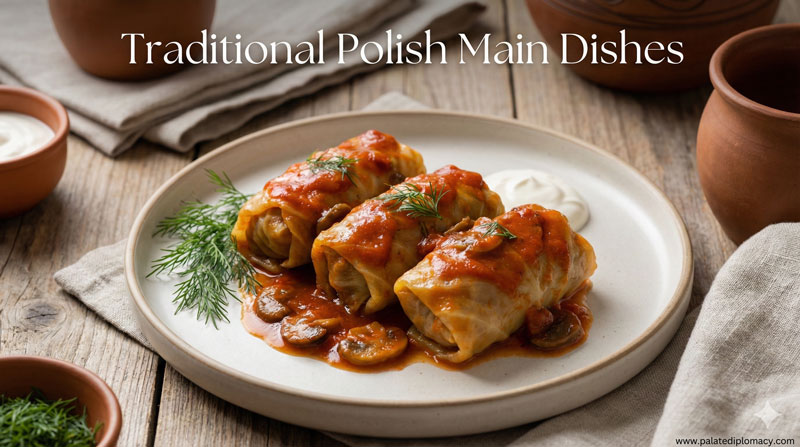
The appeal begins with texture. The outer cabbage is tender, but not mushy, providing a gentle bite that frames the moist filling inside. The filling blends ground meat, rice or other grains, onion, and herbs, balanced with salt and pepper. A bright tomato-based sauce or a savory mushroom gravy often accompanies it, tying flavors to the sauce’s tang and depth. The harmony of savory meat, soft rice, fragrant onion, and fresh herbs creates a comforting flavor profile that feels both sturdy and welcoming. This balance is the essence of Gołąbki’s culinary significance: a dish that nourishes the body while soothing the senses.
The craft: from cabbage to roll
Gołąbki starts with selecting a sturdy cabbage head. Core the stem and separate the leaves. Blanch the leaves briefly to soften, then trim the thick ribs so each leaf can roll smoothly. The filling is a gentle mixture: ground meat (often pork, sometimes beef or a mix), rinsed rice or grains, onion, garlic, egg, and seasonings like salt, pepper, and herbs such as dill or marjoram. Place a small amount of filling on each leaf, fold in the sides, and roll tightly. Arrange the rolls in a pot, seam side down, and ladle sauce around them. Simmer slowly until the flavors mingle and the rice cooks to tenderness. The method rewards patience, yielding a cohesive bite with every mouthful.
Regional nuances and everyday twists
Polish kitchens and regional traditions offer subtle variations. Some regions favor a higher rice-to-meat ratio for a lighter texture, while others use a richer meat blend for a heartier bite. The sauce can swing between a bright tomato base and a deeper mushroom gravy, depending on what’s on hand or what the season offers. Some cooks mix herbs like marjoram, thyme, or dill into the filling for a fragrant lift. A optional dollop of sour cream at serving adds a tangy finish. These variations celebrate local tastes and produce, while keeping the core idea intact: cabbage wrapped comfort with a savory center.
Sensory profile: smell, taste, and texture
Gołąbki invites all senses. The first note is the steam and aroma, a welcoming scent that hints at simmering tomatoes, meat, and onion. The first bite yields a springy cabbage layer and a juicy, well-seasoned interior. The grain character from the rice or barley provides a soft chew that contrasts with the lean meat. The sauce or gravy adds brightness or depth, depending on the recipe. Fresh herbs bring a clean finish, while a touch of pepper or paprika can give warmth. This combination makes gołąbki memorable: familiar, comforting, and quietly elegant in its simplicity.
Pairings that elevate the meal
To honor the dish, choose sides and drinks that balance its richness. Classic accompaniments include creamy mashed potatoes or simple boiled potatoes, along with a crisp cucumber or beet salad for a fresh counterpoint. A dollop of sour cream can soften the sauce’s acidity and enrich the filling. Light, cool beverages—such as mineral water or a gently sparkling drink—keep the palate refreshed between bites. In some homes, a light beer or a white wine with gentle acidity complements the dish without overpowering it. The key is harmony: let each element support the others.
Eating like a local: savoring the experience
Locals often slow down when enjoying gołąbki, savoring the layers of flavor and the sense of togetherness. Here are practical tips to partake like someone who truly knows the dish:
– Observe the sauce: a generous ladle can be a signal of hospitality.
– Cut the roll cleanly to reveal the filling and rice ratio.
– Take a bite that includes cabbage, filling, and sauce for balance.
– Share a second helping if offered; it is a sign of warmth and welcome.
– Save room for conversation; the meal is as much about people as it is about food.
A home chef’s quick guide to hosting gołąbki
If you want to recreate the local experience at home, keep these steps in mind:
1) Choose a good cabbage head and trim the leaves carefully.
2) Prepare a balanced filling with meat, grain, onion, and herbs.
3) Roll tightly and nestle the rolls in a pot with sauce.
4) Simmer gently until the flavors meld and the rice is tender.
5) Serve with a side that complements the sauce and a light dairy element if desired.
6) Finish with fresh herbs to brighten the plate.
This approach keeps the dish approachable yet authentic, inviting you to share it with friends and family.
A sense of place: what gołąbki teaches us about food culture
Gołąbki embodies a philosophy of cooking that values resourcefulness, balance, and generosity. It demonstrates how simple ingredients can become something greater through technique, patience, and care. The dish also highlights the pleasure of meals prepared with intention and shared with others. When you enjoy gołąbki, you participate in a culinary tradition that celebrates harvest, home, and hospitality. The experience is a reminder that great meals often come from humble beginnings and thoughtful preparation.
Closing thoughts: welcome the table
Gołąbki invites you to slow down and listen to the kitchen’s quiet rhythm. It teaches appreciation for family recipes, seasonal produce, and the joy of gathering. Whether you savor it in a cozy home or in a restaurant that honors tradition, gołąbki offers a comforting, flavorful window into a cherished food culture. Welcome the aroma, savor the texture, and enjoy the shared moment around the table.