
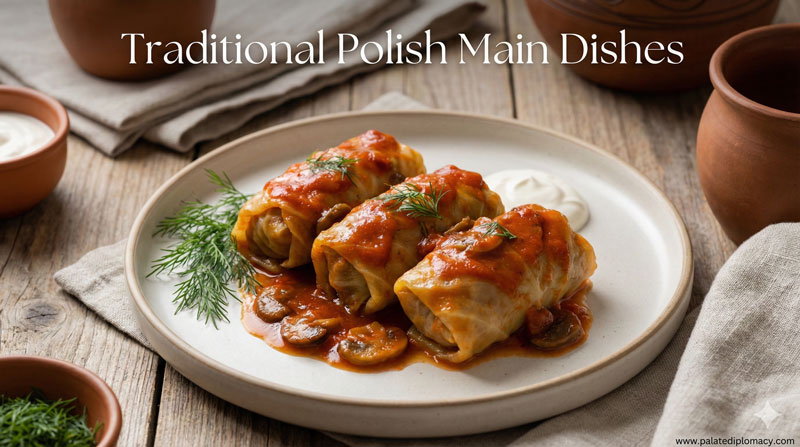
Why Gołąbki Shines in Polish Cuisine
Gołąbki, or stuffed cabbage rolls, hold a favorite place in Poland’s daily meals and festive tables. This dish blends simple ingredients into a warm, memorable experience. Cabbage wraps cradle a savory filling, inviting the senses to linger on the kitchen window where herbs and onions scent the air. It is a dish that travels through generations in quiet conversations at the stove and in the soft glow of a family dining room. The name Gołąbki, often translated as “little pigeons,” hints at tenderness and care—an idea that fits the dish’s spirit perfectly.
In everyday life, Gołąbki feels both familiar and special. It appears on family menus, shared between neighbors, and offered to welcome guests. It embodies hospitality in action: a generous portion, a comforting aroma, and a table ready for conversation. The brightness of the cabbage leaves contrasts with the warmth of the filling, creating a harmony that is both comforting and uplifting. This balance makes the dish a trusted companion for meals that aim to nourish body and soul.
The Craft Behind Gołąbki
The beauty of Gołąbki lies in its careful construction. Cabbage leaves are softened so they are pliable enough to wrap around a filling. The filling typically blends ground meat with cooked or parboiled rice, grains, or barley, plus onions, garlic, and herbs. Salt and pepper season the mix, while a touch of tomato, mushroom, or paprika can brighten the flavor. Each leaf becomes a small sleeve that protects the mixture as it settles into a tight roll.
As the rolls form, the kitchen fills with a savory perfume. The cabbage’s mild sweetness pairs with the meaty, grain-forward filling. The rolls are arranged snugly in a pot or casserole. They sit in a light tomato sauce or a rich broth that nourishes the cabbage and the filling alike. A gentle simmer allows the flavors to mingle. The result is tender cabbage, a flavorful center, and a sauce that threads the entire dish together.
Flavor and Texture: A Sensory Journey
Gołąbki offer a comforting texture play. The cabbage leaf provides a delicate bite, softened by heat but holding its structure. The filling yields to a moist, savory center that stays juicy without becoming heavy. The grains or rice inside absorb moisture and flavor, creating a cohesive bite. The sauce—whether tomato-based, mushroom-forward, or subtly seasoned—brings brightness and depth, tying the components into a unified whole.
Texture and taste invite a sensory rhythm. First, you notice the outer leaf’s tender snap. Then you encounter the filling’s balanced savor, with hints of onion and herbs lingering on the tongue. Finally, the sauce coats every part of the bite, leaving a clean, comforting finish. This combination makes Gołąbki a versatile dish: satisfying on a quiet weekday and fitting for a celebratory family gathering.
Cultural Significance: Hospitality and Family
Gołąbki is inseparable from Polish notions of welcome and togetherness. The dish often appears at gatherings where conversations flow around a shared pot and a generous serving. It becomes a symbol of care: a labor of love that travels from one cook to another, passing through kitchens and family stories. In many homes, preparing Gołąbki is an act of teaching and tradition. Younger cooks learn the careful hand-wrapping technique, the timing of the simmer, and the balance of herbs that gives the dish its signature aroma.
The dish also marks seasonal rhythms. It appears as the cool months approach, when heartier meals feel appropriate. Yet it can appear any time a family or friends wish to offer warmth and comfort. Its flexibility allows cooks to adapt the filling with regional herbs or preferred grains, making each pot a reflection of local pantry staples and personal taste.
Regional Variations Across Poland
Poland’s regional palate adds subtle chapters to the Gołąbki story. In some areas, cooks lean toward a lighter tomato sauce that lets the cabbage sweetness shine. In others, a tomato-onion base provides a tangy, bright counterpoint to the richness of the filling. Some regions favor dill or marjoram, while others emphasize garlic and pepper for a more robust bite. The choice of meat—pork, beef, or a blend—shapes the aroma and texture in distinct ways, and families often keep a preferred ratio that has been refined over generations.
Another variation lies in the rice or grain component inside the roll. Some cooks use rice for its tenderness and lightness, while others introduce barley or buckwheat for a nuttier, heartier texture. A small amount of mushrooms can deepen the earthiness, and a drizzle of sour cream at the table offers a creamy contrast. These regional differences celebrate local crops, seasonal flavors, and the practical wisdom of household cooking.
Gołąbki at Gatherings: Seasons and Celebrations
Gołąbki shines at many moments: a Sunday family meal, a holiday table, or a casual get-together with friends. Its presence signals a pause in daily life for shared nourishment. The dish invites conversation, as someone’s grandmother might recount a cherished memory while ladling sauce over the rolls. The act of serving goes beyond sustenance; it expresses care, patience, and a welcoming spirit.
During special meals, cooks often prepare a larger batch so leftovers become another reason to gather. Reheating gently preserves the tenderness of the cabbage and the filling, while the sauce’s flavors deepen with time. The ritual of plating—placing a neat roll on a warm plate, drizzle of sauce, a dollop of sour cream—adds ceremony to an everyday dish.
Serving Traditions and Pairings
Gołąbki pairs well with simple, satisfying accompaniments. A slice of rye bread or a light crusty loaf helps balance the meal. A side of pickled vegetables or a crisp salad provides contrast and brightness. Creamy elements, such as a spoonful of sour cream or a light yogurt-based sauce, complement the dish’s richness. For a complete feast, a clear broth or light mushroom sauce can be served alongside to refresh the palate.
When the seasons allow, a chilled white wine or a gently sparkling beverage can enhance the experience. For non-alcoholic options, a lightly brewed tea or a fruit-based drink offers a refreshing counterpoint to the warmth of the dish. The goal is a harmonious plate where the Gołąbki remains the star while the sides support its tenderness and depth.
Quick Notes for Home Cooks
Plan ahead to allow the flavors to mature. Softening the cabbage leaves properly makes wrapping easier and results in tender rolls. If you prefer a lighter filling, adjust the rice-to-meat ratio and opt for a leaner meat choice. You can assemble Gołąbki a day in advance and refrigerate before simmering, which often helps the flavors settle. Freezing unbaked rolls is another practical option for future meals.
Gołąbki invites creativity without losing its core identity. You can experiment with herbs, grains, and sauce styles while preserving the dish’s essential balance of cabbage, filling, and warmth. This balance is what makes Gołąbki not only a dish but a welcoming ritual of Polish cooking.
If you’re exploring Polish comfort food, Gołąbki offers a compelling entry. It celebrates simplicity and care, bringing together ingredients that many families keep in their kitchens. Its beauty lies in how it honors tradition while inviting personal touch. In every bite, Gołąbki tells a story of nourishment, hospitality, and the enduring appeal of a well-made, lovingly shared meal.