
Why Gołąbki Is One of Poland’s Most Loved Dishes
Introduction
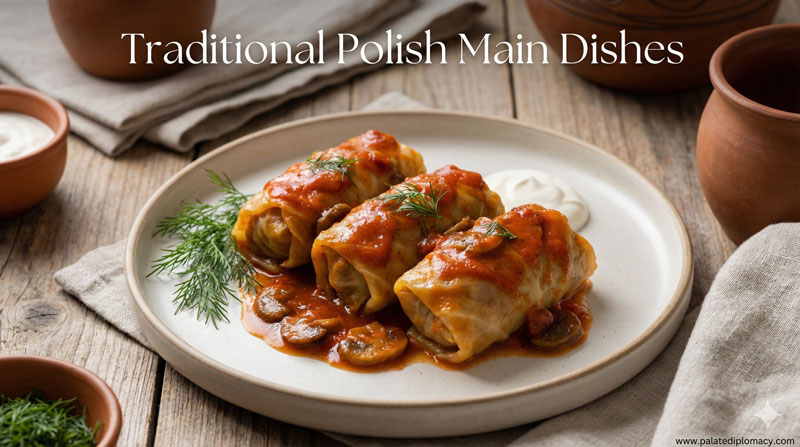
Gołąbki, or stuffed cabbage rolls, hold a warm place in Polish kitchens. The dish pairs fresh cabbage with a savory filling, then braises until tender. It speaks of home, care, and shared meals. The aroma invites everyone to the table. People describe it as comforting, hearty, and quietly elegant. This post explores its cultural value and culinary significance with a welcoming, respectful tone.
A Dish Rooted in Family Meals
Gołąbki grows from daily cooking to celebratory meals. Families pass down methods, notes, and tweaks with care. A typical version blends ground meat, rice or barley, and onions. Some cooks add mushrooms or herbs for depth. The cabbage leaves cradle the filling Like a gentle embrace. The dish shines when it is made in larger batches, then shared with neighbors or relatives. In many homes, preparing Gołąbki is a small ritual that signals care and hospitality.
The Craft: Techniques That Elevate Gołąbki
The magic happens in technique as much as in ingredients. People rinse and core the cabbage, then soften the leaves by blanching. They mix the filling until it feels cohesive yet light enough to roll. Each leaf is filled, rolled, and tucked tightly to hold shape during cooking. The rolls are arranged in a pot and simmered in a tomato-based sauce or a mushroom broth. Time yields tenderness, and patience reveals depth of flavor. The result is balance: a bright, tangy note from tomatoes or a savory, earthy finish from mushrooms and onions.
Regional Variations and Pride
Poland’s regions offer small but meaningful twists. In some areas, tomato sauce dominates the sauce, while others favor a lighter broth. The choice of rice versus barley affects texture and bite. Some cooks prefer pork, others mix beef and pork for richer flavor. Vegetarian variations exist as well, using mushrooms or lentils to create a satisfying mantle around the filling. These differences highlight regional pride and personal preference, yet the core idea remains the same: a cabbage-wrapped parcel of comfort and craft.
Serving Traditions and Pairings
Gołąbki shines at the center of the table, often plated with care. A dollop of sour cream adds brightness and creaminess. Fresh dill or chopped parsley offers a green finish and aromatic lift. Side dishes vary by season and taste, from creamy mashed potatoes to steamed vegetables or rustic bread. The dish invites slow savoring, with conversations that flow as smoothly as the sauce. It is a dish that welcomes all ages to share in its warmth.
The Enduring Appeal
Why does Gołąbki endure? It uses simple, accessible ingredients that come together with thoughtful technique. It is adaptable to busy schedules, offering a comforting make-ahead option. The dish also embodies a sense of hospitality and care, qualities valued in many kitchens. Each bite reflects a culture that prizes togetherness, family, and the beauty of home-cooked food.
Quick Tips for Home Chefs
- Choose sturdy cabbage with tight leaves for the best rolling surface.
- Balance the filling with a touch of marjoram and black pepper for a classic aroma.
- Let the rolls rest briefly after cooking to meld flavors.
- Pair with a light salad and a fresh sour cream topping for contrast.
- Use a good tomato sauce or a mushroom-based broth to suit your mood.
Gołąbki is more than a dish; it is a doorway to Polish food culture. Its warmth, craft, and shared moments invite everyone to the table, savoring the harmony of simple ingredients transformed by care.