
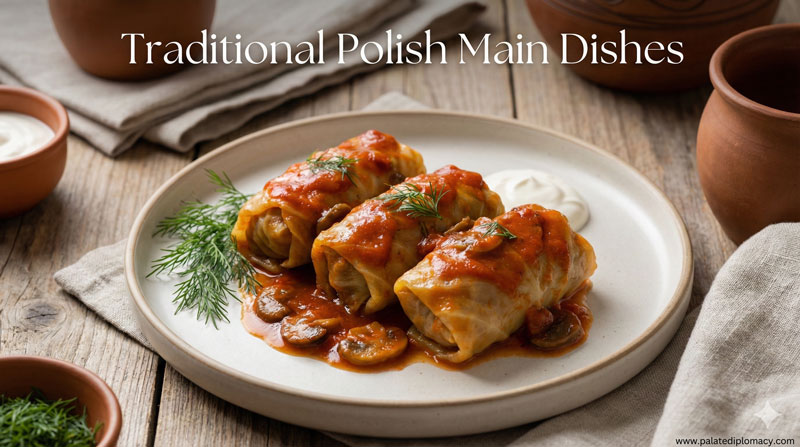
Why Gołąbki Is One of Poland’s Most Loved Dishes
Gołąbki stands at the heart of Polish home cooking. This dish speaks of warmth, care, and togetherness. Each bite carries a memory of family kitchens, shared stories, and a pot that braises slowly. The aroma invites you to sit, share, and linger a little longer. In Poland, Gołąbki is more than food; it is an invitation to welcome neighbors, friends, and relatives to the table.
A Dish Born from Practicality and Pride
Gołąbki comes from smart use of simple ingredients. Cabbage leaves wrap a filling of rice and seasoned meat. The leaves protect the filling, keeping it moist and tender as it braises. Potatoes, mushrooms, or onions may appear in the kitchen, but the essential idea stays the same: humble pantry staples become something comforting and festive. This dish celebrates resourcefulness, patience, and care in every step. It also honors generations of cooks who refined the method and kept the craft alive.
The Craft of Gołąbki: Steps and Sensations
The craft is approachable yet deeply satisfying. First, cooks soften cabbages until the leaves are pliable. Second, they mix ground meat with rice, herbs, and a touch of salt. Third, they roll the filling tightly inside each leaf. Then the rolls rest in a pot, snugly lined, ready to braise. Finally, a gentle simmer in tomato sauce or a light broth brings the flavors together. The result is a dish with a tender body, a bright edge from the tomato, and a comforting harmony of textures.
Flavor Threads: Filling, Sauce, and Texture
The filling offers a savory balance. Juicy meat plays with the mild, nutty notes of rice. The cabbage leaf lends a slight sweetness and a delicate bite. The sauce ties the dish together—tomato-based, often with a touch of herbs and a hint of sweetness. The contrast between soft cabbage and tender filling creates a satisfying mouthfeel. Each bite reveals warmth, depth, and the quiet confidence of traditional Polish cooking.
Cultural Significance: Shared Tables and Everyday Rituals
Gołąbki invites togetherness. Families gather to prepare big batches, then portion them for meals across the week. It often appears on Sunday tables, holiday feasts, and family reunions. The dish becomes a signal of care: someone has prepared it with patience, someone else will share it with others. In this way, Gołąbki supports a rhythm of everyday life that values nourishment, conversation, and connection. It is a dish that quietly teaches hospitality and generosity.
Regional Variations: A Palette Across Poland
Across Poland, cooks put their own stamp on Gołąbki. Some regions favor pork and beef blends, while others lean toward lighter fillings. The size of the leaves and the method of rolling can vary, giving each version a distinct character. Some kitchens top the rolls with a rich tomato sauce, while others use a mushroom or sour-cream finish. These variations celebrate local flavors and seasonal ingredients, enriching the overall tapestry of Polish Cuisine.
Gołąbki in Modern Polish Cuisine
In contemporary Polish dining, Gołąbki appears in new forms while honoring tradition. Chefs experiment with herbs, spices, and textures, creating lighter or heartier interpretations. You may encounter deconstructed presentations or hybrid versions in Modern bistros, but the core idea remains: a comforting, well-made roll that respects its roots. The dish continues to travel through markets, cookbooks, and restaurant menus, inviting new generations to discover and love it.
Conclusion: A Timeless Emblem of Polish Food Culture
Gołąbki embodies the essence of Polish cooking: practical skill, generous spirit, and enduring comfort. It brings people together, nourishes the body, and honors a long line of cooks who perfected the method. The dish stands as a stalwart favorite, celebrated in homes and kitchens across Poland. Its simple elegance makes it a beloved symbol of Polish food culture and culinary craft.