
Why Gołąbki Is One of Poland’s Most Loved Dishes
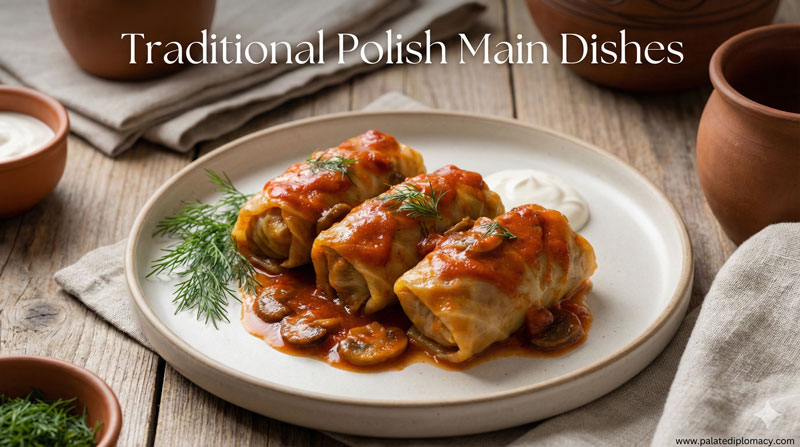
Gołąbki, or cabbage rolls, sit at the heart of Polish cooking. They blend humble ingredients into something comforting and memorable. Each bite carries a sense of home, family, and seasonal generosity. The dish is clear in its purpose: a satisfying meal that nourishes both body and spirit. The name itself invites curiosity, and the flavors answer with warmth, balance, and ease.
A Window Into Polish Home Cooking
Gołąbki celebrate simple, well-chosen ingredients. Ground meat, rice or barley, onions, and garlic mingle inside softened cabbage leaves. A kiss of herbs—often marjoram, dill, and black pepper—lends them character without shouting. The rolls are then simmered or baked in a tomato-scented sauce that unifies the filling with the leaf. This method shows how Polish Cuisine builds flavor gradually, layer by layer. It is a process families repeat with care, year after year, turning a routine meal into a memory.
The Craft of Wrapping: Technique as Expression
Preparing gołąbki is as much art as technique. Leaves are softened so they fold around the filling without tearing. The edges are tucked neatly, and each roll is shaped to hold steady in the pan. The act of wrapping becomes a quiet ritual, a moment of shared attention. Then comes the simmering or baking, where time and temperature coax tenderness from meat and cabbage. The result is a cohesive parcel of taste, where the outer leaf and the inner filling speak in one voice.
Regional Touches and Personal Traditions
Poland offers subtle regional touches in gołąbki. Some cooks favor a milder tomato sauce, while others add a touch of sugar or stock for depth. The filling varies too: more pork than beef in some regions, or a small amount of barley or buckwheat for texture. Some families blend mushrooms or peppers for a different aroma. These variations honor local produce and family preferences, turning one dish into many beloved versions. Yet the core idea remains the same: a hearty roll that welcomes you to the table.
A Dish of Hospitality and Seasonal Joy
Gołąbki shine at gatherings and Sunday meals. They symbolize hospitality, the joy of sharing, and the pleasure of planning a menu together. The dish often pairs with potatoes, bread, or a crisp green salad, reflecting the rhythm of a traditional Polish family meal. When guests arrive, the kitchen fills with the scent of simmering sauce and warm cabbage. The moment invites conversation, gratitude, and a shared sense of well-being.
Plating, Sauce, and Pairings
The sauce ties the dish together. A bright tomato-based sauce offers brightness, acidity, and balance to the rich filling. Some cooks ladle sauce over each roll before serving, while others present the rolls bathed in a pot of sauce for all to dip. Side dishes like mashed potatoes or rye bread provide comforting texture. A light sprinkle of fresh dill or parsley adds color and fragrance, making the plate feel complete and inviting.
Preserving Taste Through Generations
Gołąbki survive and thrive because families pass them on. Recipes travel by word of mouth, written cards, and kitchen demonstrations. The dish adapts to new tastes while keeping its core. This continuity honors tradition without stagnation. In every kitchen, a new version can emerge—fast for a weeknight or slower for a holiday feast—yet the essence remains the same: care, balance, and a sense of welcome.
Looking Forward: The Living Heart of Polish Cuisine
Gołąbki are not only a dish; they are a living thread in Polish food culture. They link memory with present meals and invite future cooks to contribute their own touches. The scene around the table—sharing, listening, and tasting together—embodies the beauty of Polish cooking. The rolls remind us that good food grows from honest, patient effort and from the warmth of a welcoming home.
If you seek a dish with warmth, texture, and a gentle celebration of season and family, gołąbki offers a welcoming answer. It stands as one of Poland’s most loved dishes not just for its flavor, but for the tender stories it carries from kitchen to table.