
The Rise of Gołąbki in Modern Polish Food Culture
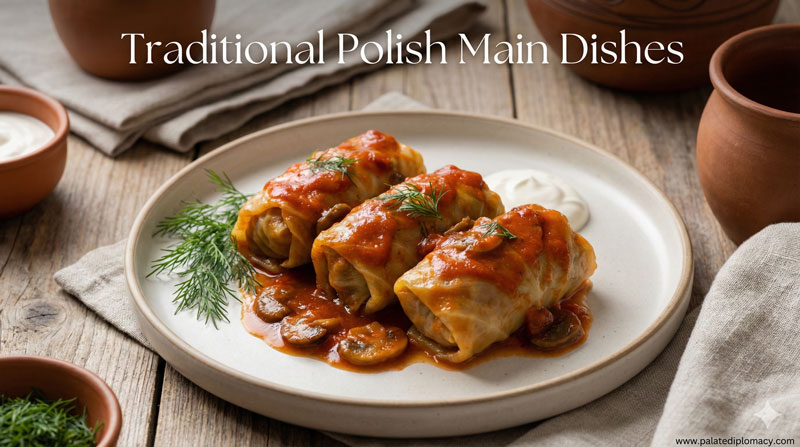
Gołąbki, or stuffed cabbage rolls, have long warmed Polish kitchens with their soft cabbage sleeve and savory filling. In recent years, they have stepped into brighter light. They appear in cafe menus, chef’s showcases, and home meal plans. This growth highlights how a timeless dish can shine in today’s food culture.
What Are Gołąbki? A Quick, Tasty Overview
Gołąbki are simple in concept and rich in flavor. A cabbage leaf wraps a filling of minced meat, often pork or beef, mixed with rice or barley. Onion, herbs, and sometimes mushrooms join the mix. The rolls simmer in a sauce, usually tomato-based, until tender. Each bite blends freshness, heartiness, and gentle spice.
Craft and Technique: From Cabbage to Roll
The craft begins with the cabbage. Leaves are softened so they fold easily, and the thick ribs are trimmed. The filling comes together quickly, with meat, grain, and aromatics folded in harmony. Each leaf is wrapped around the filling with care, then the roll is nestled into a pot. A steady simmer in sauce completes the process, as flavors meld and the cabbage becomes velvety and bright.
Culinary Significance: Flavor, Texture, and Seasonality
Gołąbki offer a satisfying balance of textures. The cabbage sleeves provide a tender, almost creamy bite, while the filling adds heft and savor. The meal feels complete with a supporting sauce, herbs, and a touch of acidity. Seasonal cabbage harvests influence the dish, guiding gołębki toward heartwarming autumn meals and comforting winter dinners. They pair beautifully with potatoes, yogurt or sour cream, and fresh dill.
Cultural Value: Family, Home, and Shared Meals
This dish thrives on shared effort. Rolling the cabbage can become a family ritual, a way to spend time together in the kitchen. The result graces tables during Sunday meals, family gatherings, and holiday tables, inviting conversation and warmth. The care shown in each roll reflects hospitality and pride in everyday cooking. Gołąbki therefore function as a bridge between generations and a quiet celebration of home cooking.
Regional Voices: Variation Across Poland
Polish regions add their own character to gołąbki. Some homes favor rice in the filling, while others use barley or buckwheat for texture. Sauce choices vary from bright tomato to mushroom gravies, with herbs like dill, marjoram, or thyme lending distinct notes. Vegetarian versions with mushrooms or lentils offer lively alternatives while preserving the core technique. These nuances show how a shared recipe can adapt with grace.
The Modern Plate: Gołąbki in Restaurants and Home Chefs
Today’s chefs bring gołąbki to the plate with fresh eyes. Plating can be lighter or more vibrant, yet the classic shape remains a sign of comfort. Modern versions experiment with sauces, herbs, and accompaniments, while keeping the inviting heart of the dish. Home cooks adopt time-saving methods and share variations online, inviting more people to enjoy the dish’s gentle charm.
A Bright Future: Beloved Tradition and Modern Flair
Gołąbki stand as a beloved pillar of Polish food culture. They symbolize careful preparation, family warmth, and regional variety. The dish travels well—from home kitchens to modern bistros—without losing its essence. As more cooks celebrate its texture and balance, gołąbki promise to remain a welcoming, beautiful part of the culinary landscape.