
The Rise of Gołąbki in Modern Polish Food Culture
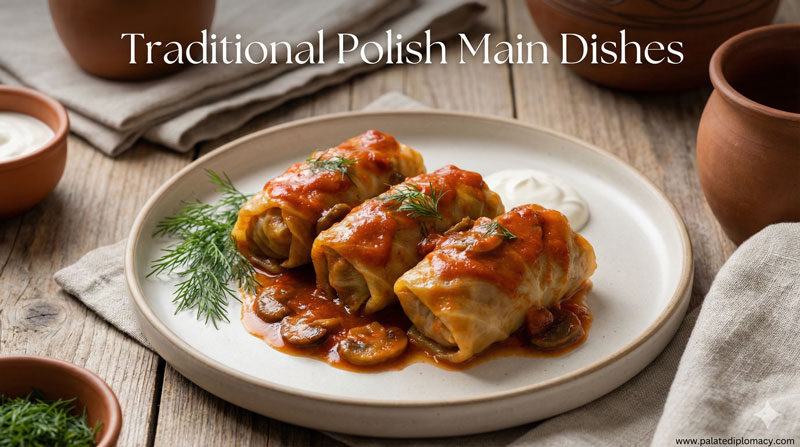
Gołąbki are stuffed cabbage rolls that carry a gentle, assertive presence in Polish kitchens today. They blend simple ingredients into a dish that feels both intimate and celebratory. In modern times, gołąbki appear in family menus, bistro plates, and festival stalls alike. They invite curiosity and comfort in equal measure. The dish invites readers to slow down and savor the harmony of texture, aroma, and memory.
Gołąbki begin with three elements: cabbage leaves, a savory filling, and a warm sauce. The leaves cradle a mix of ground meat, rice or barley, onions, and herbs. The result is compact, yielding, and comforting. When simmered in tomato or mushroom sauce, the rolls release a mellow sweetness that dances with peppery and herbal notes. The technique matters as much as the ingredients. Gentle rolling and patient simmering create a tender bite, a small triumph of home cooking.
In today’s food conversations, gołąbki stand out for their adaptability. They honor tradition while inviting modern tweaks. Home cooks adjust the filling with pork, beef, or a mix of both. Some add mushrooms or barley for texture. Sauce choices range from bright tomato to earthy mushroom gravies. The core remains the same: cabbage that protects a fragrant center, brought to life by careful seasoning and slow heat.
A Cornerstone of Polish Kitchen Traditions
Gołąbki are more than a dish; they are a thread in the everyday fabric of Polish dining. They show up during ordinary evenings and at special gatherings. Regional accents shape the recipe, giving each area its own signature touch. In some places, tomato-based sauces glow with marjoram and dill. In others, sour cream lends a gentle tang to the sauce. These regional voices enrich a single concept and demonstrate how the dish travels through the country, carrying local pride with it.
The cultural value of gołąbki lies in shared preparation and shared meals. Families often involve multiple generations in the rolling and tasting. The process feels Like a living memory, passed through hands and passed on with stories. The result is a sense of continuity that is not ostentatious, but quietly powerful. The dish becomes a common language for celebrating seasonality, harvest, and home.
Moreover, gołąbki reflect a practical culinary instinct. Cabbage leaves are sturdy, flexible wrappers that hold a filling together during long simmering. This makes the dish reliable for a busy week and festive weekends alike. The versatility invites cooks to balance nutrition, flavor, and texture with confidence. The result is a dish that travels well from stove to table, inviting steady appreciation.
The Craft of Rolling: Technique and Texture
Craft matters in every bite. The technique of prepping cabbage—removing thick ribs, blanching leaves, and trimming edges—prepares a soft, pliable canvas. The filling blends meat with starch and aromatics, then binds into a compact roll. A steady seam on the side keeps the roll intact during braising. The rolls rest in sauce, where gentle simmering draws out the filling’s sweetness and keeps the leaves tender.
Texture is central to the appeal. The outer leaves offer a gentle bite that yields to a savory center. The rice or barley adds a mellow chew, balancing the meat’s richness. The sauce coats each roll, merging fruitiness, acidity, and warmth. This balance—soft leaf, savory core, and bright sauce—defines the sensory memory of gołąbki.
Professional cooks and home chefs alike share the idea that patience pays off. Shortcuts undercut the experience. Slow cooking preserves moisture and encourages uniform tenderness. In modern kitchens, cooks may finish in a brief bake or a glossy simmer to set the flavors. Yet the core approach remains clear: respect the leaf, honor the filling, and let the sauce carry the whole plate.
Flavor Architecture: The Soul of Gołąbki
The flavor profile of gołąbki is approachable yet nuanced. The filling blends fat, grain, and aromatics into a cohesive center. Salt, pepper, garlic, and onion wake the mixture, while herbs like marjoram and dill weave a gentle weed-like brightness through every bite. The rice or barley adds a soft, nutty note that rounds the meat’s savoriness.
Sauce completes the dish. Tomato-based sauces provide a bright, fruity contrast that lifts the filling. Mushroom gravies offer an earthy depth that echoes the autumn pantry. Some cooks finish with a touch of sour cream, which adds a velvet tang without overpowering the dish. The interplay of acidity, sweetness, and earthiness keeps the palate engaged through the entire plate.
In modern polish cooking, cooks experiment with lighter or vegetarian fillings while keeping the traditional structure intact. Plant-based variants use mushrooms, lentils, or crushed nuts to mimic the texture of meat. This adaptability preserves the dish’s identity while inviting new audiences to connect with it. The result is a flexible, resilient culinary emblem.
Gołąbki in Modern Polish Cuisine
Gołąbki have earned a place in contemporary Polish dining without losing their roots. In restaurants, chefs reinterpret the dish through plating and technique while maintaining its comforting essence. Lighter sauces, crisp toppings, or compact, elegant rolls show up on seasonal menus. At the same time, the family kitchen remains a sanctuary for classic versions that rely on time-tested methods.
The modern presentation often emphasizes color and balance. A vibrant tomato sauce can brighten the plate, while a mushroom-forward option offers earthiness. Plating lines may highlight the rolls in a neat row or stacked towers, depending on the occasion. Yet the heart stays the same: a thoughtful combination of leaves, filling, and sauce.
This evolution demonstrates how a traditional dish can evolve without losing its essence. It invites new cooks to approach gołąbki with curiosity, while remaining faithful to the comforting voice that has sustained it for generations. The dish becomes a bridge between everyday meals and shared culinary experiences.
Seasonal Roots and Local Inspirations
Cabbage season shapes the character of gołąbki. Fresh, crisp leaves provide a sturdy but tender wrap. Autumn produce inspires richer fillings and heartier sauces. Local herbs and seasonings appear in the filling and the sauce, making each region’s gołąbki a reflection of its harvest.
In contemporary kitchens, cooks celebrate seasonality with accents such as fresh dill in spring or paprika in late summer. The dish adapts to the pantry, offering a reliable canvas for seasonal produce. This flexibility makes gołąbki a dependable choice for both weekly dinners and festive menus.
Seasonal inspiration also encourages sustainable cooking. Using locally grown cabbage and seasonal herbs reduces transport and waste. The dish then embodies a mindful approach to food that resonates with home cooks and chefs alike.
Family Kitchens: A Ritual of Preparation
Gołąbki are often a ritual, not just a recipe. Families gather to roll, taste, and adjust seasoning. These sessions become small ceremonies of care and connection. Each person brings a touch—an idea for the filling, a preferred size, or a preferred sauce height—making every batch unique.
The rolling itself is a meditative practice. It teaches patience and precision. It invites careful hands and listening senses as the cabbage leaves sigh under gentle pressure, and the filling settles into coils of flavor. In this way, gołąbki function as a living tradition, enriching family life with shared labor and shared reward.
Modern households preserve this ritual by inviting friends or neighbors to join the rolling sessions. They view the shared effort as an expression of community through food. The outcome is a dish that carries more than taste; it carries a sense of belonging.
Presentation, Pairings, and Occasions
Gołąbki invite thoughtful presentation. A neat arrangement on the plate allows the colors of the cabbage, filling, and sauce to sing together. Simple garnishes—parsley, a drizzle of sauce, or a dollop of sour cream—enhance the dish without overwhelming it.
Pairings lean toward classic Polish sides: potatoes in many forms, rye bread, and a clean salad. A crisp white wine or a light red can complement the dish, depending on the sauce and filling. The goal is harmony: the accompaniment should support, not overshadow, the delicate balance inside each roll.
Occasions vary from everyday family dinners to festive gatherings. Gołąbki adapt to the mood of the table, offering comfort when needed and elegance when desired. They become a universal signal of care, shared meals, and culinary pride.
Looking Ahead: The Place of Gołąbki in Polish Food Culture
The Rise of gołąbki in modern Polish food culture reflects a broader trend: a renewed appreciation for home cooking that honors tradition while welcoming change. The dish stands as a versatile symbol of memory, craft, and seasonal eating. It invites cooks to experiment within a familiar framework and to celebrate the familiar in fresh ways.
As more kitchens explore different fillings and sauces, the essential identity of gołąbki remains intact. The cabbage leaf, the binding filling, and the sauce together tell a story of balance and care. This story resonates with both longtime fans and curious newcomers, reinforcing the dish’s enduring appeal.
In the end, gołąbki are not only a meal but a living culture. They celebrate craft, family, and regional flavors. They invite us to pause, roll, and taste the resonance of Polish food traditions in the modern world. They are, indeed, a bright thread in the evolving tapestry of Polish cuisine.