
Introduction
Gomen Besiga, a comforting blend of collard greens and tender meat, stands as a quiet ambassador of Ethiopian kitchen artistry. In every bite, the dish speaks of patience, balance, and community. This post invites you to explore how Gomen Besiga reflects Ethiopian food culture through flavor, technique, and shared experience. The dish embodies harmony between ingredients and a warmth that welcomes everyone to the table.
Core ingredients and preparation
Cooks choose sturdy greens like collard leaves, cut and simmered until silky. They add beef or another preferred meat for depth and gentle richness. Onion, garlic, and ginger build the base, while berbere or regional spice blends provide subtle heat and color. The slow braise draws fat into the greens, creating a unifying sauce that coats each leaf. Niter kibbeh adds a golden, fragrant note, and salt rounds out the flavors. The result feels wholesome and refined, suitable for everyday meals and festive tables alike.
Cultural values and culinary significance
This dish embodies the Ethiopian emphasis on balance and harmony: greens, meat, and spice come together to nourish body and spirit. It highlights technique—browning aromatics, layering flavors, and slow simmering to tenderness. The pairing of greens with meat reflects a culture that values generosity and prudent use of resources, shared through careful cooking. Gomen Besiga invites attention to texture, color, and aroma, signaling respect for ingredients and guests. It celebrates hospitality by appearing at family meals, celebrations, and gatherings. The dish also shows versatility: cooks adjust spices and meat cuts to reflect what is available, reinforcing a culture of care and improvisation. The use of greens marks a seasonal rhythm, weaving land, kitchen, and memory into one continuous story.
Shared meals and hospitality
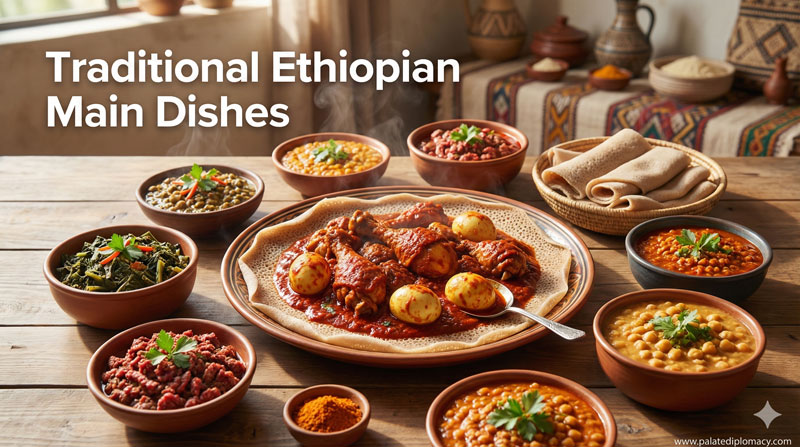
In Ethiopian homes, meals center around the table and shared plates. Gomen Besiga often appears alongside injera, the sour flatbread that soaks up sauce. Serving and sharing reinforce bonds, care, and attentiveness to guests. The aroma travels through the home, building anticipation before the first bite. Each mouthful carries memories of family kitchens, elders teaching patience, and the joy of modest abundance. The dish becomes a conduit for conversation, gratitude, and mutual respect at every gathering.
Regional influences and variations
Across regions, cooks tailor greens, meat cuts, and spice levels. Some versions lean milder, letting the vegetable note shine; others lean warmer, with berbere warming the sauce. Variations reflect local produce, climate, and family tradition, while preserving the core idea: greens braided with meat, seasoned with warmth. This flexibility shows a culture that values consistency and creativity in equal measure.
Texture, color, and sensory craft
Emerald greens glisten with a glossy sauce, and the meat stays tender. The texture blends silky greens with a gentle bite from the leaves. The colors—deep green and caramel notes from onions and browned meat—signal nourishment and care. The aroma marries onion sweetness, garlic warmth, and spice, inviting you to linger at the table. This sensory craft mirrors Ethiopian attention to detail in daily life and celebration alike.
Modern interpretation and serving
Today, cooks present Gomen Besiga in homes and restaurants, often pairing it with injera and a crisp salad. Chefs honor tradition while exploring lighter or bolder spice profiles to suit contemporary palates. The dish travels well; leftovers re-warm without losing character, supporting thoughtful meal planning. The guiding spirit remains: a dish that welcomes, sustains, and invites curiosity about Ethiopian flavors.
Conclusion
Gomen Besiga stands as a testament to Ethiopian food culture, where careful preparation meets generous sharing. It shows how a simple mix of greens and meat can carry layers of meaning, from texture and aroma to hospitality. By savoring this dish, readers gain a window into everyday life, values, and the crafts that define Ethiopian cooking.