
Why Gomen Besiga Is One of Ethiopia’s Most Loved Dishes
Gomen Besiga holds a warm, familiar place at many Ethiopian tables. It celebrates abundance, balance, and care. The dish invites people to come together, savor harmonized flavors, and share in a quiet moment of tradition. Its gentle aroma and hearty texture make it memorable, year after year.
What Makes Gomen Besiga Special
Gomen Besiga is a beloved combination of greens and meat. Gomen means collard greens, a leafy partner that softens and soaks up flavors. Besiga means with meat, usually beef or goat. The greens braise with onions, garlic, and ginger, and a small amount of oil or niter kibbeh—the spiced clarified butter that adds warmth. This pairing is simple, yet deeply satisfying. You taste earthy greens, meaty richness, and a subtle spice glow that lingers on the palate.
The Shared Table and Social Rhythm
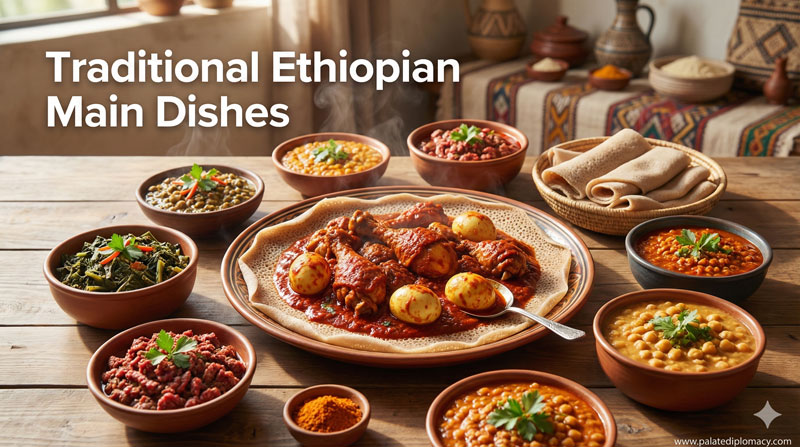
Ethiopian meals are often shared on a large shared platter, with injera laid out as a natural utensil. Gomen Besiga fits this setting perfectly. Diners tear pieces of injera and scoop a bit of greens and meat together. The act of sharing builds a quiet sense of connection and belonging. In many homes, family members or friends exchange smiles and offer bites to one another, a small ritual that honors hospitality and care. This dish becomes more than food; it becomes a moment of togetherness.
Flavor, Balance, and Technique
The beauty of Gomen Besiga lies in its balance. The greens contribute a gentle bitterness and earthiness, while the meat adds depth and savor. The aromatics—onion, garlic, and ginger—brighten the dish and brighten the room as they cook. A touch of spice, whether from a light berbere or a hint of black pepper, can lift the dish without overpowering it. The technique is straightforward: simmer the greens slowly so they release their sweetness, while the meat stays tender and succulent. The result is a dish with soft greens, tender chunks of meat, and a velvety, comforting finish.
Variations and Regional Echoes
Across households, Gomen Besiga adapts to local tastes and pantry staples. Some cooks use kale or mustard greens in place of collards. Others adjust the amount of meat to highlight a lean, lighter version, or add a splash of tomato for brightness. The spice profile varies as well—from a mild, fragrant warmth to a bolder kick—depending on family tradition. Despite these small differences, the core idea remains constant: greens and meat united in a dish that honors nourishment and care.
Serving, Pairings, and Occasions
Gomen Besiga shines when paired with injera, the sour, spongy pancake that soaks up sauce beautifully. It also harmonizes with other simple wats and stews on the table. On celebrations or Sabbath-like meals, the dish sits side by side with other staples, contributing a comforting contrast of texture and flavor. The presence of greens on the plate reflects seasonal abundance and a respect for harvests, while the meat adds a festive note that makes the meal feel generous and complete.
Cooking at Home: A Simple Guide
- Gather ingredients: collard greens, meat (beef or goat), onions, garlic, ginger, oil or niter kibbeh, salt, and optional spices.
- Sauté onions, garlic, and ginger until they become fragrant and translucent.
- Add the meat and brown it evenly to develop a rich taste.
- Stir in greens and a small amount of water or stock. Simmer slowly until the greens are tender and the meat is cooked through.
- Season with salt and finish with a touch of spiced butter or oil for aroma.
- Serve with injera and enjoy the harmony of greens and meat on one plate.
A Gentle Invitation to Try
If you have a chance to taste Gomen Besiga, notice how the greens and meat complement one another. The dish embodies nourishment, care, and a quiet pride in home cooking. It speaks of kitchens where families gather, where vegetables drawn from the garden meet a well-seasoned pan, and where every bite carries a story of everyday beauty. Try preparing it with fresh greens, a tender cut of meat, and a warm bottle of injera nearby. You may find it becoming a cherished staple in your own cooking, a comforting reminder of the beauty found in simple, well-made food.
In the end, Gomen Besiga is more than a recipe. It is a reflection of culture, craft, and the joy of sharing a meal. Its lasting appeal lies in its balance, accessibility, and the sense of welcome it extends to every table.