
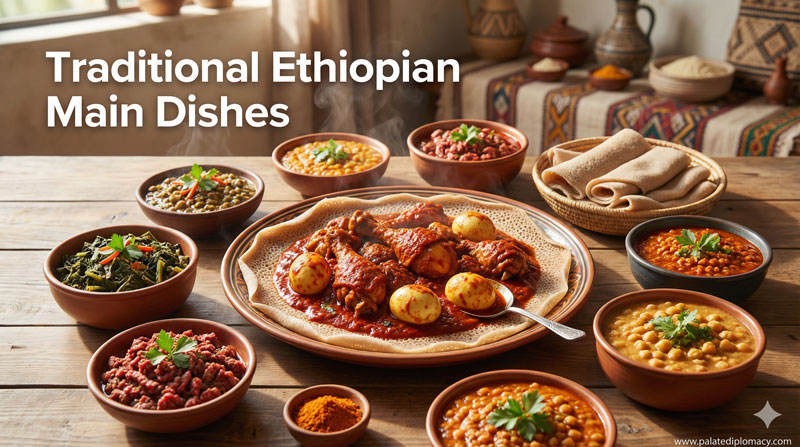
How Gomen Besiga Became Popular in Ethiopian Cuisine
Gomen Besiga is a treasured Ethiopian dish that pairs tender greens with slowly simmered meat. Its popularity grows from the heart of home kitchens to the warmth of shared tables. The Story of this dish is a celebration of patience, balance, and the generous spirit of Ethiopian cooking. It invites us to savor greens that have kissed the pan, meat that braises in harmony with onions and spice, and a sauce that clings to injera or bread with quiet joy. In this post, we explore its cultural value and culinary significance, and we discover why it remains a beloved staple.
The Core Ingredients and Their Meaning
At the center of Gomen Besiga are two simple parts: greens and meat. Gomen refers to collard greens or other leafy greens, prepared so they stay bright and flavorful but soft enough to melt in the mouth. Besiga means “with meat,” and that meat is usually beef, cut into modest pieces to absorb flavor without overpowering the greens. Beyond these two stars, the dish gathers onions, garlic, and ginger for a warm aromatics base. A spoonful of niter qibe, a spiced clarified butter, adds depth and a gentle sweetness. Salt and a balanced blend of spices tie everything together, creating a sauce that glows with color and aroma. This careful balance between greens and meat is more than taste; it carries a message of care, seasonality, and the everyday beauty of home cooking.
The Cooking Approach That Elevates the Dish
Gomen Besiga earns its character through a thoughtful cooking sequence. First, onions are sautéed to sweetness, then garlic and ginger join the pan to release their perfume. Next, the meat meets the pan with a soft sizzle, absorbing spices and the butter’s richness. The greens are added when their stems offer a gentle bite, and the pot slows into a long, patient simmer. Throughout, the cook layers flavors, letting the greens soften while the meat stays tender. The result is a harmonious sauce that clings to each leaf and each bite of meat. This method honors time in the kitchen and respects the ingredients, turning a simple dish into a warm, reassuring meal.
The Table: Cultural Significance and Shared Moments
Gomen Besiga shines most when shared. It appears on family tables during everyday meals and on festive spreads alike, where friends and relatives gather and pass dishes around with care. The dish embodies hospitality: hosting and nourishing others with a dish that feels both homey and special. Serving it with injera—the soft, sour flatbread that soaks up the sauce—creates a tactile, communal dining experience. People break bread together, dip, and savor while chatting about the day. In this setting, Gomen Besiga becomes more than food; it is a bridge between generations, a way to teach younger cooks about balance, patience, and the joy of a well-made meal.
Regional Flair and Seasonal Variations
Across regions, households adapt Gomen Besiga to available greens and local taste preferences. Some kitchens favor collard greens for their sturdy texture, while others use spinach or kale to bring a lighter note. The choice of meat can vary, with beef offering a robust flavor and other meats offering a different character. Seasonal vegetables or fresh herbs may join the pot, subtly changing the dish’s aroma and brightness. Yet the core idea remains steady: greens and meat, slow cooking, and a savory, comforting sauce. This flexibility reflects a culture that values resourcefulness and flavor, while maintaining a familiar and beloved framework.
Modern Expressions and Everyday Enjoyment
Today, Gomen Besiga appears in a range of eating contexts, from home kitchens to cooking demonstrations and Ethiopian-inspired eateries. Cooks outside traditional settings often highlight its homey essence, pairing it with injera or flatbread and sometimes presenting it with a modern twist—slightly lighter sauces, or a touch of citrus to brighten the greens. Even in contemporary kitchens, the dish keeps its soul: straightforward technique, generous portions, and an inviting aroma that welcomes everyone to the table. This continuity shows how a traditional dish can adapt without losing its core identity, inviting new cooks to learn and celebrate Ethiopian flavors.
A Timeless Favorite, Ever Relevant
Gomen Besiga remains relevant because it speaks to universal desires: nourishment, balance, and warmth. It invites readers to notice the beauty in simple ingredients and the magic of patient cooking. It invites hosts to create space for conversation as bowls come round and injera is torn to share. In its quiet way, the dish praises care, community, and the everyday rituals that make a culture feel alive. As a result, Gomen Besiga is not only a meal; it is a living part of Ethiopian food culture, a reminder that good food grows from thoughtful preparation and a generous spirit.
Closing Thoughts
If you seek a dish that is both comforting and culturally meaningful, Gomen Besiga offers a clear path. Its greens, meat, and spice blend tell a story of hospitality, balance, and the joy of cooking with intention. The dish invites us to slow down, savor the moment, and honor the shared table. In Ethiopian Cuisine, this is more than sustenance; it is a symbol of care, community, and timeless flavor.