
Introduction
A Complete Guide to Enjoying Gomen Besiga Like a Local invites you into a dish that blends leafy greens with savory meat, folded into the everyday rhythms of Ethiopian dining. This meal is more than food; it is a doorway to warmth, hospitality, and shared moments around the table. By exploring its flavors, textures, and serving style, you’ll see why gomen besiga holds a special place in home cooking and special gatherings. Each bite offers evidence of careful technique, fresh ingredients, and a culture that loves to feed friends and family with care.
What is Gomen Besiga?
Gomen besiga is a traditional Ethiopian dish featuring tender greens—usually collard greens or a similar leafy green—cooked with beef. The greens, softened to a silky consistency, absorb a rich base of onions, garlic, ginger, and a fragrant fat such as niter kibbeh. Spices like berbere and sometimes mitmita add warmth and depth without overwhelming the greens. The result is a balanced plate where the greens carry the heartiness of beef, and the pairing with injera loaf bread completes the experience. It is common to find this dish served with injera on a shared platter, inviting everyone to dive in with their hands and a smile.
Cultural Value and Hospitality
In Ethiopian food culture, gomen besiga embodies hospitality, generosity, and togetherness. The dish is often prepared for family meals, weekend gatherings, and festive occasions, where the kitchen acts as the center of conversation and connection. The careful layering of flavors signals care and attention, a sign of respect for guests and family. Sharing a bowl of gomen besiga on a broad injera sheet makes conversation feel easier and meals feel warmer. Through this meal, cooks express tradition, pride, and a welcoming spirit that invites others to participate fully in the dining ritual.
The Culinary Significance
Culinary significance rests on balance and technique. The greens provide a bright counterpoint to the savory beef, while the fat from niter kibbeh enriches the sauce. Slow simmering allows the meat to tenderize and the greens to release their best flavors, creating a dish that shines in both aroma and texture. The bright, resinous notes from ginger and garlic brighten the greens, while berbere lends a gentle kick rather than a sharp spice. This harmony makes gomen besiga a versatile centerpiece for everyday meals and celebratory menus alike.
Regional Variations and Personal Touches
Across households, cooks tailor gomen besiga to emphasize local abundance. Some recipes favor thicker greens for a sturdier bite; others lean toward a lighter, more translucent texture. The meat choice can vary, with beef remaining common, while lamb or goat may appear in others. Spices can be adjusted to taste, increasing or reducing heat to suit family preferences. These variations prove how a single dish adapts to home kitchens without losing its core identity. The result is a family- and region-aware dish that travels through generations with little need for reformulation.
The Technique: How It Is Made
A traditional approach starts with sautéing onions in a flavorful fat. Garlic and ginger join the onions, building a fragrant base. Beef chunks brown gently to seal flavor, then mingle with the aromatics. Water or broth blends in, and the greens enter the pot to simmer until tender. Berbere and salt complete the seasoning, with adjustments made to achieve a smooth, cohesive sauce. The finished dish should feel moist, not dry, with greens that hold their shape while absorbing the savory notes. The technique rewards patience and steady heat, yielding a comforting, accessible result.
Pairings and Serving Traditions
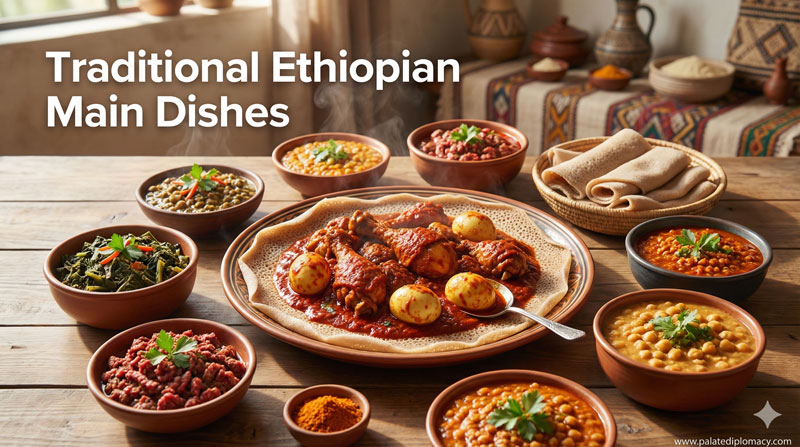
Injera is the classic partner for gomen besiga. The soft, sour flatbread acts as a natural scoop and utensil, forming a shared dining experience. The greens and beef are often accompanied by other stews, such as lentil or chickpea dishes, to create a balanced platter. Cooling beverages like tea or a light, floral drink can complement the meal, while a small coffee break can follow, highlighting the richness of Ethiopian flavors. Serving on a large communal platter reinforces togetherness and makes it easy for guests to sample the dish slowly and respectfully. The overall presentation emphasizes generosity and harmony at the table.
Etiquette and Dining Experience
When enjoying gomen besiga, the spirit of hospitality shines through simple rituals. Tear off a piece of injera, use it to scoop greens and meat, and share portions with neighbors at the table. Speak with warmth about the dish and its flavors, appreciating the effort behind the meal. Clean, unhurried pacing allows everyone to savor the balance of greens and beef. In many homes, offering a second helping is a sign of care, and receiving it with thanks reinforces mutual respect. The experience is as much about the social moment as it is about the plate.
Finding and Experiencing Gomen Besiga
If you wish to taste this dish in its traditional spirit, seek Ethiopian restaurants that emphasize authentic slow-cooked stews and injera service. Look for menus that highlight gomen besiga as a family-style dish designed for sharing. When you try it, focus on the aroma of greens and the depth of the beef, then notice how the injera carries the sauce with every bite. Attending a traditional meal or cooking at Home with a knowledgeable friend can deepen your understanding of its charm and its place in daily life.
Conclusion
Gomen besiga stands out for its approachable luxury: humble greens, a hearty protein, and a kitchen’s careful touch. It showcases how a dish can be comforting, celebratory, and deeply traditional all at once. By exploring its preparation, serving style, and social role, you can appreciate why locals hold this dish in high regard. Embrace the warmth, savor the balance, and enjoy gomen besiga like a true local.