
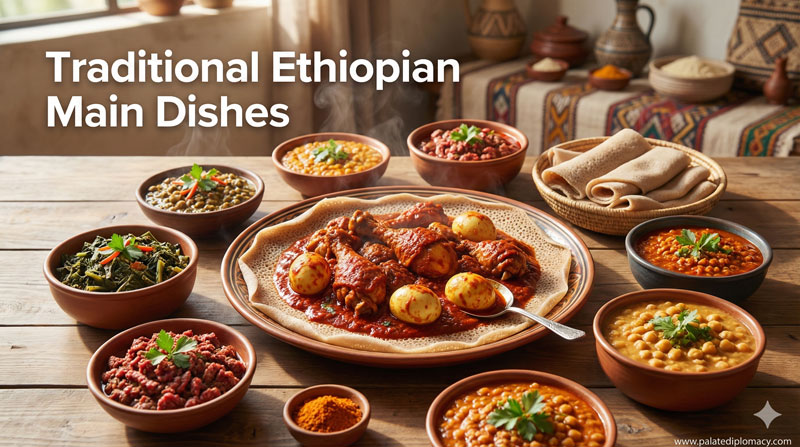
Introducing Gomen Besiga: A Local Favorite
Gomen Besiga is a warm, comforting dish that sits at the heart of Ethiopian home cooking. It pairs tender beef with collard greens for a balanced, flavorful meal. The dish embodies patience and care in every step, from browning the meat to braising the greens. People savor it for its depth, warmth, and the way it invites conversation around the table. This guide explores its cultural value and culinary significance, inviting you to experience it Like a local.
What Is Gomen Besiga? Ingredients and Preparation
Gomen Besiga translates to greens with meat, a combination that showcases the harmony of vegetables and protein. The core is simple: collard greens (gomen) cooked with beef (besiga) in a savory sauce. Common accompaniments include onions, garlic, ginger, and a traditional clarified butter known as niter kibbeh. Spices such as berbere may lend a gentle heat, while lemon or tomato can brighten the mixture in regional renditions. The technique is steady: sauté aromatics, brown the beef for depth, then simmer greens until their veins soften and the meat becomes tender. The result is a dish with a silky texture, a kiss of richness from the clarified butter, and flavors that linger pleasantly on the palate.
Cultural Significance at the Table
In Ethiopian dining, food is shared. Gomen Besiga appears at family meals and festive gatherings, strengthening bonds through shared plates. Injera, the spongy teff flatbread that accompanies most meals, acts as both utensil and communal plate. Dinerstear off pieces of injera to scoop greens and meat, creating a tactile, collaborative dining experience. The act of sharing, including gestures like gursha—feeding a bite to others with courtesy and warmth—underscores hospitality and respect. This dish thus serves as a bridge between generations, inviting stories, laughter, and connection around the table.
The Flavor Journey: From Beef to Greens
The flavor story unfolds in layers. First, savor the aroma of onions, garlic, and ginger sizzling in warming fats. Next, the beef adds richness and a gentle savor that deepens with braising. The collard greens contribute earthiness and a slight bite that softens as they meld with the meat. Nutty, seasoned butter from niter kibbeh enriches every bite, while berbere provides a subtle warmth rather than a sharp heat. The textures balance softly: tender beef, silky greens, and the pliant bite of injera beneath. Finally, a bright note from citrus or tomato can lift the dish, completing a satisfying, well-rounded experience.
How to Enjoy It Like a Local
- Start with injera and use it to scoop both greens and beef.
- Tear a small piece of injera, then gather a bite of greens and meat for a single mouthful.
- Share with others at the table; the dish is meant to be communal.
- When offered gursha, accept with a smile to honor the gesture, then pass warmth by offering a bite to others.
- Finish with a cup of strong Ethiopian coffee or a warm tea, allowing the meal to linger in memory.
Pairings, Etiquette, and Rituals
Gomen Besiga harmonizes with other wats and stews that accompany injera. The spices mingle with the tang of greens, creating a gentle, comforting vibe perfect for conversation. Etiquette centers on hospitality: let elders and guests be served first, offer seconds with a gracious hand, and maintain a relaxed pace that invites savoring. After the meal, the coffee ceremony often follows, turning a meal into a longer cultural moment of friendship and reflection. These practices highlight the dish’s role in daily life as well as special occasions.
Finding Gomen Besiga: A Taste of Ethiopia
If you seek this dish, look for Ethiopian restaurants that emphasize traditional cooking methods. Home cooks also prepare Gomen Besiga for gatherings, especially during weekends and celebrations. When you encounter it, expect a bowl that glows with the color of greens, a depth of beef, and the inviting aroma of onions and spices. Whether you enjoy it in a bustling restaurant or a quiet family kitchen, the dish offers a window into a cuisine built on balance, generosity, and shared delight.
Closing Thoughts: A Dish of Togetherness
Gomen Besiga is more than a meal; it is a practice of generosity and connection. It brings together greens, meat, spices, and bread in a way that celebrates the body and the circle around the table. For anyone exploring Ethiopian cuisine, this dish offers a clear entry point into textures, flavors, and rituals that make meals memorable. Embrace it with curiosity, and you will taste the care that defines a local favorite.