
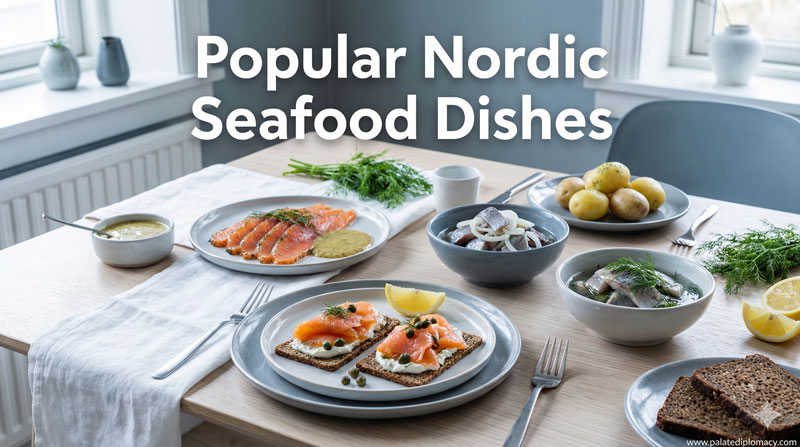
Introduction: Gravlax and Nordic Light
Gravlax is more than a dish; it is a gentle expression of Nordic cooking. It brings the clean taste of salmon together with simple, honest ingredients. The way it rests, flavors mingling with dill, salt, and a touch of sugar, mirrors the calm pace of Nordic meals. This blog explores why gravlax became a beloved part of Nordic cuisine, prized for its clarity, balance, and grace at the table.
The Name, the Method, and the Moment
Gravlax derives from a traditional curing method. The salmon is covered in a salty-sugary mix and layered with dill, then pressed and chilled. The word “gravlax” evokes the idea of a quiet, near-sea burial of the fish in its fragrant bed. The method emphasizes restraint: a short spell of waiting releases moisture, while the flavors stay bright and fresh. The result is a sashimi-soft texture with a clean, herb-forward aroma that feels light yet rich on the palate.
The Culinary Value: Balance, Texture, and Brightness
Culinarily, gravlax shines in its balance. The salt and sugar work together to firm the flesh and draw out moisture, but the dill carries a bright, uplifting note. A thin slice reveals a glossy, translucent center and a subtle sweetness that harmonizes with the fish’s natural fat. Served with crisp bread or rye and a dollop of a tangy mustard sauce, gravlax becomes a canvas for textures and contrasts. This versatility is a key reason it remains a staple in Nordic dining—simple enough for home cooks, elegant enough for special occasions.
Regional Threads Across Nordic Countries
Across Sweden, Norway, Denmark, and Finland, gravlax reflects local tastes while keeping core elements intact. In Sweden, dill is generous, and the classic hovmästarsås (mustard-dill sauce) often accompanies the slices. In Norway, a lighter herb note and a touch of citrus bring a bright lift. Denmark may feature a slightly sweeter edge with balanced spice, while Finland emphasizes clean salmon flavor with minimal adornment. These regional nuances create a tapestry of preparations, each respectful of the dish’s serene essence.
Cultural Value: Shared Moments Around the Table
Gravlax invites people to gather. It sits at the center of a simple spread or anchors a festive platter with friends and family. The dish embodies a culture that values seasonal ingredients, careful preparation, and generous hospitality. Its preparation invites collaboration—families may take turns curing, slicing, and serving. In this way gravlax becomes a ritual of care, a way to slow down and savor the moment together.
Modern Popularity: From Homes to Contemporary Menus
Today, gravlax has found a home beyond the kitchen table. It appears in bistros, markets, and cafe menus, where chefs highlight its bright, clean profile. The dish adapts easily to modern plates: a thin slice on a grain crisp, a layer atop a salad, or a refined starter with a light citrus note. Yet even in contemporary settings, gravlax preserves its core identity: a respectful tribute to the land and sea, a dish that invites quiet appreciation and precise technique.
Pairings, Presentation, and Serving Ideas
A simple presentation often elevates gravlax. Arrange thin slices in a fan across a cool platter, whisk a quick mustard sauce, and finish with fresh dill fronds. Pair it with dark rye bread or crispbread, a squeeze of lemon, and a crisp white wine or a light sparkling beverage. The pairing philosophy stays faithful to the Nordic palate: let the salmon speak, add a crisp contrast, and keep accompaniments modest to honor the fish.
A Dish for All Seasons: Timeless Yet Fresh
Gravlax adapts to seasons and occasions. In the brighter months, it feels refreshing and light. In winter celebrations, it offers a bright contrast to heartier dishes. Its seasonal versatility helps explain why it remains a reliable choice in Nordic cooking. The dish fits both everyday meals and festive gatherings, always bringing a sense of calm and clarity to the table.
Conclusion: The Enduring Beauty of Gravlax
Gravlax stands as a quiet symbol of Nordic culinary values: clarity of flavor, simplicity in technique, and generosity at the table. It celebrates the land and sea, the patience of curing, and the joy of sharing small, delicious moments. By honoring balance, texture, and herbaceous brightness, gravlax continues to enchant cooks and diners alike. It remains a living tradition—elegant, approachable, and deeply connected to the rhythm of Nordic Food Culture.