
Introduction
Gravlax has a special place in Nordic cuisine. This delicate cured salmon embodies a quiet artistry found in kitchens across Sweden, Norway, Denmark, and Finland. It is more than a dish; it is a celebration of seasonal salmon, simple ingredients, and thoughtful patience. In Nordic culture, gravlax radiates hospitality, inviting conversation and shared tasting. The result is bright, glossy, and fragrant, a testament to the beauty of careful preparation and seasonal eating.
What gravlax is and how it begins
Gravlax is salmon that has been cured with salt, sugar, and dill. A light cure preserves the fish while locking in moisture and flavor. The process is calm and intentional: salt draws moisture out, sugar balances saltiness, and dill adds fresh herbaceous notes. The fish rests in a cool space, often a refrigerator, for a specific time. When ready, the slice reveals a tender texture and a clean, slightly sweet finish. This simplicity lets the salmon’s natural richness shine.
A Nordic culinary ceremony
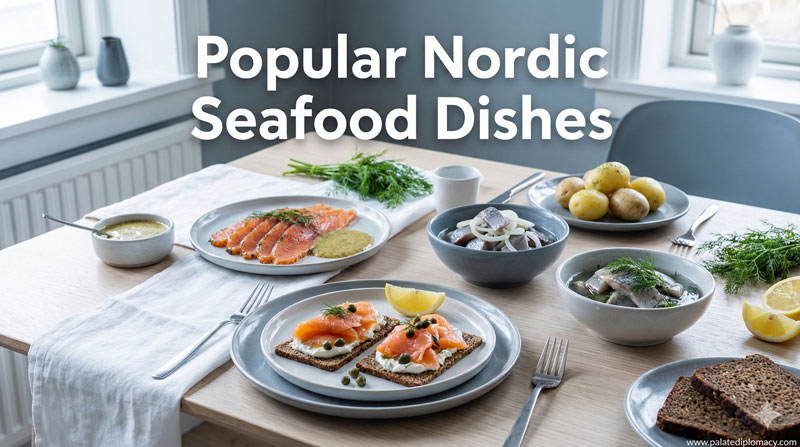
In Nordic homes, gravlax becomes part of seasonal meals and family gatherings. It is a dish that teaches balance: patience, restraint, and appreciation for quality ingredients. The curing time is a small ritual, a quiet countdown that follows the rhythm of the kitchen. When plated, gravlax glows pale pink, with the aroma of dill lingering invitingly. It is commonly served with a yellow mustard-dill sauce, crisp bread or potatoes, and a light touch of lemon or zest. The pairing emphasizes brightness and texture, turning a simple slice into a memorable moment at the table.
Flavor, texture, and pairing
Gravlax offers a clean, elegant fish flavor with a subtle sweetness from the cure. The texture is silky and firm, easy to slice thinly for a refined presentation. Dill provides a grassy, herbaceous lift, while the sauce adds tang and a gentle heat of mustard. The dish sings when accompanied by rye bread, aquavit in small portions, and lightly dressed greens. This balance—sea freshness, herb freshness, and a bright sauce—defines the culinary appeal of gravlax in Nordic eating.
Regional variations and techniques
Across the Nordic region, cooks tailor the cure to local preferences. Some favors a sweeter touch, others lean into a stronger dill note or a hint of citrus. The thickness of the slices and the exact cure time can vary by home and kitchen. In studio kitchens and restaurants alike, gravlax is often prepared in larger batches and sliced just before serving, preserving its delicate texture. These subtle differences reflect regional palettes while keeping the core idea intact: a cured salmon that respects the fish and the cook’s careful method.
Modern popularity and everyday tables
Today, gravlax appears in many Nordic menus and home kitchens. The dish travels well from family dinners to festive gatherings, bringing a sense of tradition to modern dining. Its popularity stems from its approachable technique, its elegant presentation, and its bright, clean flavors. Chefs worldwide appreciate gravlax for its balance of salt, sweetness, and herb fragrance, while diners enjoy its refined simplicity. The dish remains a reliable anchor in Nordic cuisine, inviting curiosity and repeat tasting.
Preservation of tradition in contemporary kitchens
Cooks keep gravlax relevant by embracing fresh, high-quality salmon and mindful curing times. Home kitchens celebrate the craft with small batches, precise measurements, and neat presentation. The method is forgiving enough for Beginners and refined enough for seasoned cooks. This adaptability helps gravlax thrive in today’s culinary landscape, where texture, aroma, and visual appeal matter as much as taste.
Conclusion
Gravlax stands as a clear expression of Nordic culinary values: respect for the ingredient, patient craftsmanship, and an invitation to share a quiet, flavorful moment. Its cultural value lies in how it brings people together around a simple, beautifully prepared dish. Through its balanced flavors and graceful presentation, gravlax continues to enrich Nordic cuisine and inspire meals that celebrate the island-like rhythm of the seasons.