
Introduction
Gravlax is a salted and cured salmon that carries the Heart of Nordic cooking. In Nordic kitchens, it moves from a practical method of preserving fish to a Beloved Dish on festive and everyday tables. This article explores how gravlax became popular in Nordic cuisine, and why it remains a vivid expression of regional craft and shared meals. The beauty of gravlax lies in its simple ingredients, patient technique, and the bright aroma of dill that lifts each bite. The Story celebrates texture, balance, and the quiet pleasure of taking time to do one thing well.
The Craft of Gravlax
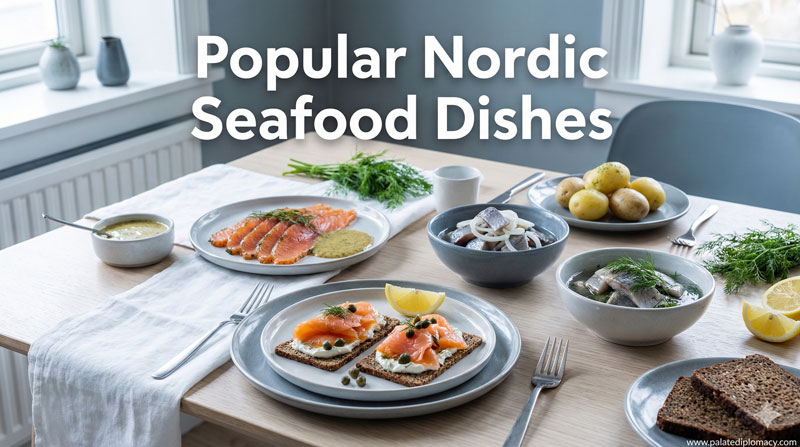
The craft begins with a clean, fresh fillet of salmon. Cooks mix salt and sugar to form a curing bed, then rub the flesh with the cure and add dill sprigs. A touch of zest or citrus can brighten the mix, but the core remains salt, sugar, and herb. The fish rests flesh-side down, often weighted gently, in a cool place for 24 to 72 hours. During this time, moisture leaves the salmon and flavor concentrates. The result is a silky fillet that holds its shape when sliced ultra-thin. When serving, many households offer a mustard-dill sauce, or hovmästarsås, to echo the dill and add a gentle zing. This combination—clean salmon, a soft cure, and bright greens—defines gravlax’s signature harmony.
Seasonality and Sea-to-Table Courtesy
Nordic cooking often honors season and sea. Gravlax emerges most vividly in the warmer months when the scent of fresh dill is strongest and daylight lasts longer. The dill plant clings to shorelines and gardens alike, bringing a garden-green note that pairs perfectly with the sea breeze. The curing process also mirrors a respectful approach to preservation: a brief wait, then a ready-to-share dish. This rhythm—catch, cure, savor—ties gravlax to the seasonal pantry and to daily life at the table. In this sense, gravlax is less a single recipe and more a seasonal ritual that invites guests to slow down and notice the natural flavors of the coast.
The Social Heart of Nordic Tables
Gravlax often becomes a focal point around meals that celebrate community. It appears on bread or rye, sliced thin to show its delicate texture. The dish invites conversation and shared tasting, a hallmark of Nordic hospitality. At home and in cafés, gravlax is commonly offered with light bread, cucumber, and a dollop of the mustard-dill sauce. The presentations are simple, yet elegant, inviting the senses to linger on the fragrances of green herbs and citrus. This openness—the way gravlax is shared, sliced, and savored—speaks to the culture of gathering that characterizes Nordic dining.
Regional Variations and Modern Expression
Across Nordic regions, gravlax wears subtle regional flavors. In Sweden, dill is a constant partner, and the sauce often features a sharp, tangy mustard note that brightens the fish without overpowering it. Norway may introduce juniper berries or a touch of pepper to offer a peppery underline, while keeping the dill as the herb that defines the dish. Denmark commonly brings gravlax to the open-faced rye sandwich, enhancing it with fresh greens and a crisp, clean bite. Finland tends to honor the same clean profile, with minor local twists in accompaniments or presentation. Regardless of the region, gravlax remains a study in balance: a quiet cure, bright herbs, and a delicate slice that reveals the sea’s generosity.
Serving, Pairings, and Tasting Notes
Serve gravlax in delicate slices, almost translucent, to reveal its texture and color. Place it on dark rye or light bread, with cucumbers or a crisp green salad for contrast. The mustard-dill sauce adds a tangy harmony, with the dill echoing in the aroma. For beverage pairings, crisp white wines and cool, sparkling waters complement the dish without competing with its brightness. A light, citrusy wine can lift the dill’s perfume, while a clean mineral note supports the salmon’s tenderness. The overall tasting experience is one of clarity: a clean fish flavor, a gentle salt, a whisper of sweetness from the cure, and the herbaceous lift of dill.
A Timeless Place in Nordic Food Culture
Gravlax has earned its place not only on plates but in the memory of Nordic dining. It represents care, patience, and a handshake between land and sea. The dish is a shared language—simple ingredients, precise technique, and a moment to slow down together. Its popularity grows not simply because it tastes good, but because it embodies a philosophy of food as an experience to be enjoyed with others. In every slice, you can sense the place: a coastline kitchen, the rhythm of seasons, and the warmth of people gathered around a table.
Conclusion
How gravlax became popular in Nordic cuisine is a story of craft meeting culture. It is the quiet joy of a well-balanced cure, the brightness of dill, and the invitation to share a meal with care. Gravlax stands as a refined but approachable dish that honors the sea, the herbs of the garden, and the pleasure of good company. As Nordic cooks continue to refine technique and celebrate regional flavors, gravlax remains a beautiful bridge between tradition and contemporary taste. The dish invites us to savor its simplicity, respect its origins, and celebrate the continuity of food’s cultural value.