
What is gravlax?
Gravlax is a cherished Nordic dish built on a simple, patient technique. A fresh salmon fillet sits in a bed of salt, sugar, and fresh dill. The salt-sugar blend draws moisture from the fish and tightens the texture, while the dill infuses a bright, aromatic note. The result is a pale-pink, silky slice with a gentle kiss of salinity and sweetness. Gravlax embodies the idea that the best flavors start with clean ingredients and careful handling. The name itself—gravad lax—echoes a traditional method, where the fish was once cured in a resting place, often with herbs, for preservation and flavor.
A Nordic treasure: origins and technique
Across Nordic coasts, gravlax has earned its place as a staple in markets, homes, and festive tables. The dish speaks to a coastline culture that treasures fresh fish and thoughtful preparation. The classic cure combines salt, sugar, and dill, sometimes with pepper or citrus for nuance. The process is straightforward, yet the timing matters: a slow cure of 24 to 48 hours lets flavors mingle while maintaining tenderness. A weight or a clean press helps the cure sit evenly on the fillet, ensuring uniform texture. When you unwrap the cured salmon, you reveal a glow of pale pink and an inviting aroma of dill and sea air. This balance of technique and seasonality makes gravlax a reliable centerpiece for gatherings.
The curing craft: salt, sugar, dill
The curing trio—salt, sugar, and dill—defines gravlax. Salt draws moisture and concentrates flavor, while sugar tempers the salt and enhances a subtle sweetness. Dill lends a fresh, herbaceous brightness that lingers on the palate. Some cooks add a light zest of citrus or a pinch of white pepper to introduce a touch of sparkle. The technique stays true to the essence of Nordic cooking: let the ingredients work together without loud spices. The result is a clean, refined profile that highlights the salmon’s natural richness. Keeping the fillet chilled during the cure preserves texture and safety, allowing the flavors to merge without sacrificing firmness.
Serving rituals: with hovmästarsås, bread, and accompaniments
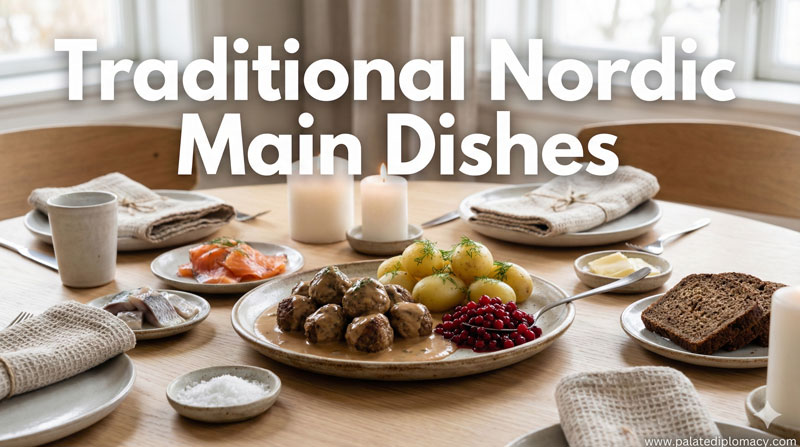
Gravlax shines when sliced thin and plated with care. A classic pairing is hovmästarsås, a dill-mustard sauce that balances tang, sweetness, and herb brightness. The sauce typically blends mustard, sugar, vinegar, oil, and dill, sometimes with a whisper of lemon. Place the slices beside crisp rye bread or sturdy Nordic rye crackers, then add cucumber ribbons, red onion, and lemon wedges for brightness. Fresh dill sprigs finish the presentation, echoing the aroma of the curing stage. Gravlax also harmonizes with boiled potatoes, cream-dressed greens, or a simple salad. The serving ritual invites shared tasting, conversation, and a sense of season and place.
Cultural value: community, seasonality, and celebration
Gravlax holds cultural value beyond its flavor. It often appears in family meals and seasonal gatherings, where cooks pass down tips and timing from one generation to the next. Fresh salmon seasons the calendar for many coastal communities, turning a fish into a celebration of craft. In markets and festivals, gravlax showcases local seafood, care, and artistry. The dish invites a calm, attentive approach to cooking—measuring cures, monitoring the texture, and plating with simple elegance. It embodies a philosophy of respect for ingredients, of savoring the moment when the first delicate slices meet the plate. In homes and restaurants, gravlax helps tell a story of place, season, and shared hospitality.
Modern variations and accessibility
Today, gravlax invites both traditional fidelity and gentle creativity. Home cooks can reproduce the classic cure with common ingredients and a clean refrigerator. Variations appear in citrus zest, peppercorns, fennel, or a light splash of vodka for depth. Some chefs adjust the salt-sugar balance to suit personal taste, while others test shorter cures for a softer texture or longer cures for a firmer bite. Accessibility has grown as more people discover high-quality salmon at markets and even grocery stores with responsibly sourced options. Regardless of variation, the core idea remains: let fresh fish meet a simple cure, then honor the result with careful slicing and thoughtful pairing.
Flavor profile and sensory experience
Gravlax presents a refined sensory experience. The fish offers a tender, almost melt-in-your-mouth bite, with a faint saline backbone and a whisper of sweetness. Dill contributes a bright, green aroma that lingers between bites. The pairing with hovmästarsås introduces a tangy, creamy counterpoint that enlarges the tasting length. Textur and aroma work together to reveal the salmon’s natural richness without overwhelming it. This balance—delicacy, freshness, and herbal lift—remains the essence of gravlax’s appeal.
Why gravlax endures in Nordic food culture
Gravlax endures because it is mindful, approachable, and meaningful. It celebrates local ingredients and the skilled hands that transform them. The dish invites people to slow down, slice softly, and savor each bite. It also fits neatly into various occasions, from everyday meals to weekend gatherings and festive spreads. The cured salmon acts as a canvas for seasonal accompaniments and simple sauces, allowing cooks to express care through precise technique and clean flavors. In this way, gravlax remains a beloved expression of Nordic culinary imagination—subtle, elegant, and deeply connected to land, sea, and shared table.
Conclusion
Gravlax stands as a testament to Nordic culinary values: respect for fresh ingredients, patient preparation, and the joy of gathering around a well-prepared plate. Its graceful texture, bright dill aroma, and harmonious sauce make it easy to love. Whether served at a family table or in a sunny market booth, gravlax invites admiration for its balance and beauty. It is more than a dish; it is a tradition of flavors that travels quietly from coast to table, inviting everyone to pause, taste, and celebrate the everyday magic of Nordic Cuisine.