
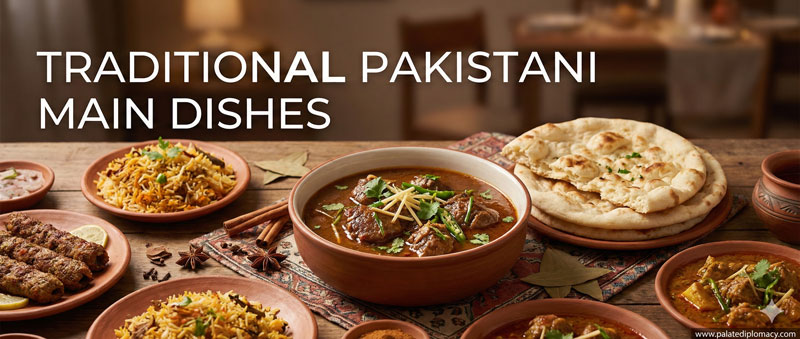
Introduction
Discover the Rich Flavors of Haleem invites you to taste more than a dish. It welcomes you into a timeless kitchen ritual where patience, technique, and shared warmth meet. Haleem is a slow-cooked blend of grains, lentils, and tender meat that becomes silky and deeply savory. The aroma alone signals comfort and care. This post honors its cultural value and culinary significance, focusing on how the dish connects people, families, and celebrations. First, we explore the craft that shapes its texture, and then we reflect on the way it brightens gatherings. Haleem stands as a beacon of hospitality, a reason to gather, and a reminder of the joy of good food prepared with intention.
Origins and Craft
Across the Indian subcontinent, haleem carries a long, cherished tradition. Regional styles vary, yet all celebrate a patient, methodical process. In many homes and dedicated kitchens, cooks begin with grains like barley or cracked wheat and a mix of lentils. They add meat and bones for depth, then bring the pot to a slow, steady simmer. Stirring becomes a daily rhythm, releasing layers of aroma and bringing the ingredients into a cohesive harmony. The result is a dish that speaks of time, skill, and care—an everyday treasure that adapts to local flavors while preserving a shared essence.
Ingredients and Technique
to Make haleem, cooks select barley, cracked wheat, and lentils such as yellow moong or masoor. They blend these with meat—beef, lamb, or chicken—depending on tradition and preference. Ginger, garlic, and green chilies provide warmth, while spices like cumin, coriander, garam masala, cinnamon, cloves, and cardamom infuse depth. Saffron or a hint of rose water may perfume the pot, adding a delicate brightness. The mixture cooks for hours, until the grains dissolve into a creamy, cohesive paste. Finally, a long, careful stir brings everything together. The bowl is then finished with fried onions, chopped cilantro, lemon juice, and a dollop of ghee for richness.
The Taste Experience
Haleem offers a rich, multi-layered flavor profile. The first mouthful delivers a creamy texture with a soft bite from grains and tender meat. Savory notes emerge from the spice blend, while earthy undertones come from the grains themselves. The aroma blends warm cumin, coriander, and aromatic spices with the perfume of saffron. A touch of citrus brightens the finish, and a hint of caramelized onion adds sweetness. Each spoonful reveals balance: the grain and the meat harmonize, the spices provide warmth, and the garnish brings fresh lift. This is comfort food that invites slow, mindful tasting.
Serving, Season, and Rituals
In many households, haleem graces Iftar tables during Ramadan, offering a nourishing pause after a day of fasting. It also graces family dinners, weddings, and large community gatherings. Serve it hot, with toppings like fried onions, chopped cilantro, lemon wedges, and thin slices of ginger. Pair it with naan, paratha, or simple steamed rice to complement the creamy texture. The act of serving—sharing bowls, offering seconds, and pouring hot ghee—becomes a small ceremony of hospitality. The dish adapts to the season and the cook’s touch, yet the spirit remains constant: nourishment, welcome, and togetherness.
Cultural Value and Community
Haleem carries cultural value beyond taste. It preserves family memories, as generations pass down recipes and techniques. In kitchens and markets, teams work in harmony to maintain a steady simmer and a reliable rhythm. The dish links generations, with stories, tips, and pride flowing from elder cooks to younger hands. Sharing haleem builds bridges of connection, inviting guests to feel seen and cared for. The beauty lies not only in the bowl but in the moment: a shared meal that honors craft, history, and the joy of communal cooking.
Conclusion
Discover the Rich Flavors of Haleem invites you to savor more than a bowl. It invites you to sense a culture of patience, care, and community. Try a spoonful and notice the creamy texture, the layered aroma, and the balance of spice and sweetness. This humble stew is a thoughtful craft, a generous gesture, and a reason to gather. In every pot, Haleem tells a story of kitchen artistry and warm hospitality. Welcome to the experience of Haleem, where flavor and culture meet in a single, comforting bite.